Everything About Plants – Care, Tips & Green Inspiration

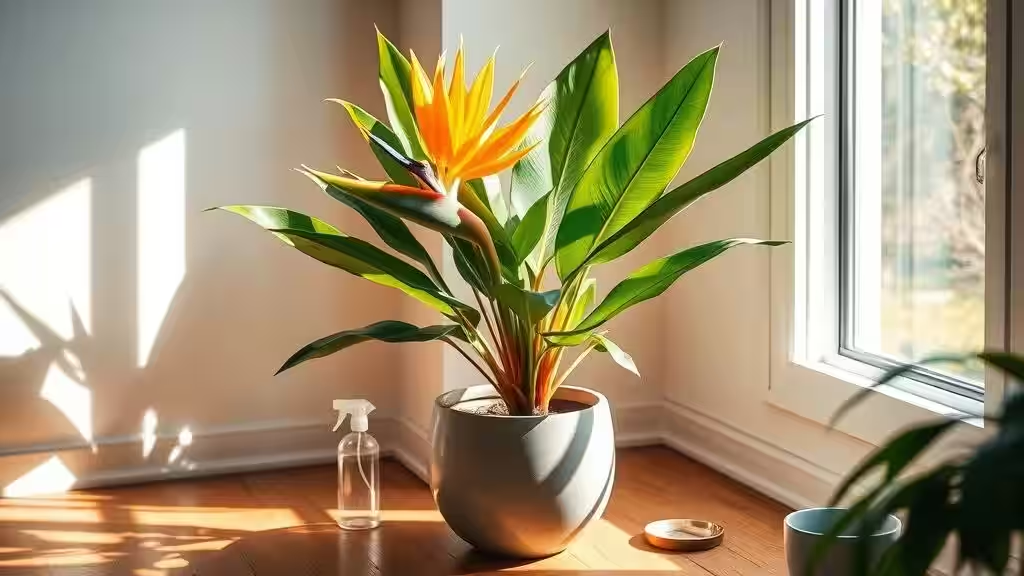
10 Stunning Strelitzia Indoor Plant Care Secrets for Lush Growth
The strelitzia indoor plant, often called the Bird of Paradise due to its exotic, crane-like flowers, is a magnificent addition to any indoor jungle
Table of Contents
The strelitzia indoor plant, often called the Bird of Paradise due to its exotic, crane-like flowers, is a magnificent addition to any indoor jungle. Its large, paddle-shaped leaves bring a touch of the tropics to your home, creating a lush and vibrant atmosphere. While known for its stunning blooms, the strelitzia indoor plant is also admired for its architectural foliage, making it a captivating presence even when not in flower. Understanding the specific needs of your Strelitzia indoor plant is crucial for ensuring its health and promoting vigorous growth. This comprehensive guide will delve into ten stunning care secrets to help your strelitzia indoor plant flourish.
Understanding the Allure of the Strelitzia Indoor Plant
The strelitzia indoor plant captivates with its bold foliage and the potential for truly unique flowers. Native to South Africa, these plants are accustomed to bright light and warm temperatures, conditions we need to mimic indoors to see them thrive. The common names, Bird of Paradise or Crane Flower, perfectly describe the unusual shape and vibrant colors of its blooms, which resemble tropical birds in flight. Even without flowers, the strelitzia indoor plant offers a dramatic architectural element with its upright growth habit and large, glossy leaves. Choosing a strelitzia indoor plant means bringing a piece of the exotic into your living space, adding a touch of elegance and the promise of spectacular floral displays.
10 Stunning Secrets to Strelitzia Indoor Plant Care
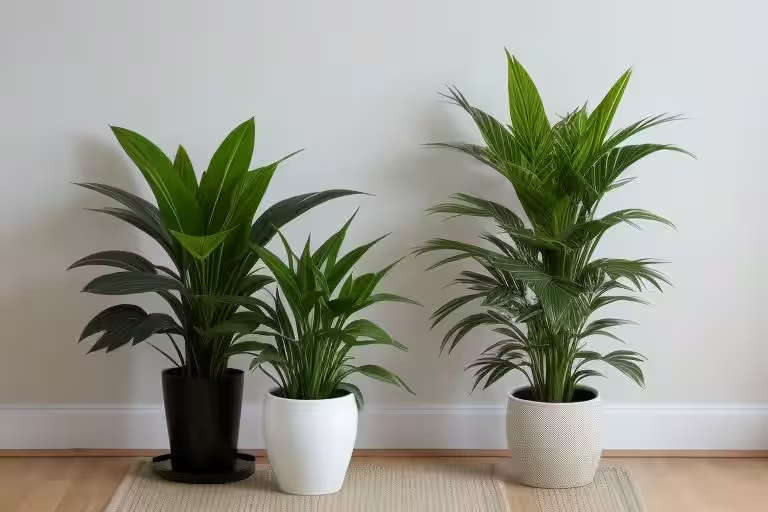
To truly unlock the potential of your strelitzia indoor plant, consider these ten vital care secrets:
1. Master the Light Requirements for Your Strelitzia Indoor Plant
The strelitzia indoor plant craves bright light, ideally mimicking the direct sunlight it receives in its native habitat. Placing your strelitzia indoor plant near a south-facing window is often the best option. If a south-facing window isn’t available, an east or west-facing window that receives several hours of direct sunlight can also work. Insufficient light is a common reason why a strelitzia indoor plant may not flower and can lead to leggy growth. Observe your strelitzia indoor plant; if the leaves are reaching excessively towards the light, it’s an indication that it needs more. Consider supplementing with a grow light during darker winter months to keep your strelitzia indoor plant happy.
2. Perfect the Watering Schedule for a Healthy Strelitzia Indoor Plant
Finding the right watering balance is crucial for your strelitzia indoor plant. These plants prefer consistently moist but not waterlogged soil. Water your strelitzia indoor plant thoroughly when the top inch of the soil feels dry to the touch. Ensure your pot has drainage holes to allow excess water to escape, preventing root rot, a common killer of the strelitzia indoor plant. During the active growing season (spring and summer), your strelitzia indoor plant will likely need more frequent watering than in the dormant winter months. Adjust your watering schedule based on the season and the specific conditions of your home. Overwatering can lead to yellowing leaves and a droopy strelitzia indoor plant.
3. Mimic Tropical Temperatures for Your Strelitzia Indoor Plant
The strelitzia indoor plant thrives in warm temperatures, ideally between 65°F and 75°F (18°C and 24°C). Avoid placing your strelitzia indoor plant near drafts from windows or doors, as sudden temperature fluctuations can stress the plant. While they can tolerate slightly cooler temperatures in the winter (down to around 55°F or 13°C), prolonged exposure to cold can damage your strelitzia indoor plant. Maintaining a consistent, warm environment will encourage healthy growth and potentially trigger flowering in your strelitzia indoor plant.
4. Boost Humidity Levels for a Flourishing Strelitzia Indoor Plant
As a tropical native, the strelitzia indoor plant appreciates higher humidity levels. Dry indoor air, especially during winter when heating systems are running, can lead to crispy leaf edges and overall stress for your strelitzia indoor plant. Increase humidity by using a humidifier, placing the pot on a pebble tray filled with water (ensuring the bottom of the pot isn’t sitting directly in the water), or by misting your strelitzia indoor plant regularly. Grouping your strelitzia indoor plant with other humidity-loving plants can also create a microclimate with higher humidity.
5. Choose the Right Soil Mix for Optimal Strelitzia Indoor Plant Growth
Select a well-draining potting mix for your strelitzia indoor plant. A mix that contains ingredients like perlite, coco coir, or bark will help ensure proper aeration and prevent waterlogging. Avoid heavy, dense soils that retain too much moisture, as these can lead to root problems for your strelitzia indoor plant. Repot your strelitzia indoor plant every 1-2 years, or when it outgrows its current container, using a fresh, well-draining mix. This replenishes nutrients and provides more space for root development, contributing to a healthier strelitzia indoor plant.
6. Implement a Consistent Fertilizing Schedule for Your Strelitzia Indoor Plant
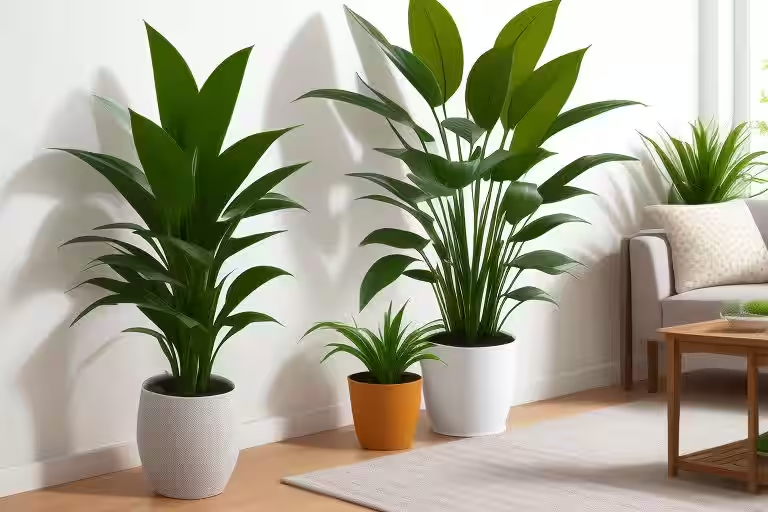
The strelitzia indoor plant benefits from regular fertilization during its active growing season (spring and summer). Feed your strelitzia indoor plant every 2-4 weeks with a balanced liquid fertilizer diluted to half strength. Reduce or stop fertilizing during the fall and winter when the plant’s growth naturally slows down. Over-fertilizing can lead to salt buildup in the soil, which can damage the roots of your strelitzia indoor plant. Observing the growth of your strelitzia indoor plant will help you gauge its fertilization needs.
7. Provide Adequate Support for Tall Strelitzia Indoor Plant Varieties
Some varieties of strelitzia indoor plant, particularly the Strelitzia nicolai (Giant White Bird of Paradise), can grow quite tall and may become top-heavy. Providing support with a sturdy stake or moss pole can prevent the stems from bending or breaking under their own weight. Install the support early in the plant’s growth to avoid damaging the roots later. This ensures your strelitzia indoor plant maintains an upright and elegant form.
8. Master the Art of Pruning Your Strelitzia Indoor Plant
While the strelitzia indoor plant doesn’t require heavy pruning, removing dead or yellowing leaves is essential for maintaining its health and appearance. Use clean, sharp pruning shears to trim these leaves at the base of the stem. Pruning helps to prevent the spread of potential diseases and encourages the plant to focus its energy on new growth. Avoid excessive pruning, as the leaves are vital for the strelitzia indoor plant‘s photosynthesis.
9. Understand the Patience Required for Strelitzia Indoor Plant Blooms
Getting a strelitzia indoor plant to flower indoors can sometimes be a test of patience. These plants typically need to reach a certain level of maturity before they will bloom, which can take several years. Ensuring optimal growing conditions – bright light, consistent watering, warm temperatures, and adequate humidity – significantly increases the chances of flowering. However, even with perfect care, there’s no guarantee of blooms indoors. Enjoy the lush foliage of your strelitzia indoor plant; if flowers appear, consider it a bonus!
10. Be Vigilant About Pests and Diseases Affecting Your Strelitzia Indoor Plant
While generally resilient, the strelitzia indoor plant can occasionally be susceptible to common indoor plant pests like spider mites, mealybugs, and scale. Regularly inspect your strelitzia indoor plant for any signs of infestation, such as webbing, sticky residue, or small bumps on the leaves and stems. Address any pest issues promptly with insecticidal soap or neem oil. Overwatering can also lead to fungal diseases. Ensure proper drainage and air circulation to minimize the risk of diseases affecting your strelitzia indoor plant.
The Rewarding Journey of Growing a Strelitzia Indoor Plant
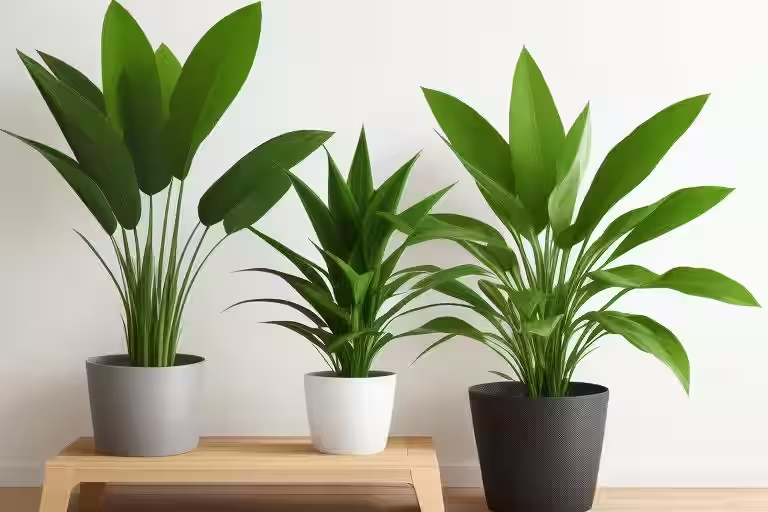
Cultivating a strelitzia indoor plant is a rewarding experience, bringing a touch of the tropics and architectural beauty into your home. By understanding and implementing these ten stunning care secrets, you’ll be well-equipped to provide the optimal environment for your Strelitzia indoor plant to thrive. Enjoy the journey of nurturing this magnificent plant and the potential for its breathtaking, bird-like blooms to one day grace your indoor oasis. The strelitzia indoor plant is more than just a houseplant; it’s a statement piece that brings life and vibrancy to any space.
FAQ
1. Is Bird of Paradise a good indoor plant?
Yes, the Bird of Paradise (Strelitzia) is an excellent indoor plant, particularly the Strelitzia reginae (orange flowers) and Strelitzia nicolai (white flowers) varieties. It adds a tropical flair with its large, glossy leaves and upright growth habit. While it thrives in bright, indirect light, it adapts to a range of indoor conditions, making it suitable for both novice and experienced plant owners. However, it rarely blooms indoors due to insufficient light in most homes.
2. Does Strelitzia purify air?
Yes! The Bird of Paradise acts as a natural air purifier. Its broad leaves absorb volatile organic compounds (VOCs) like formaldehyde and benzene, improving indoor air quality. This makes it both a decorative and functional addition to your home.
3. How do you take care of Strelitzia?
Light: Provide bright, indirect light (e.g., near an east- or west-facing window). It tolerates some direct sun but may scorch in intense midday light.
Watering: Water when the top 2–3 inches of soil dry out. Avoid soggy soil to prevent root rot. Reduce watering in winter during its dormant period.
Soil: Use a well-draining potting mix (e.g., peat-based with perlite). Ensure pots have drainage holes.
Humidity: It prefers moderate humidity (40–60%). If the air is dry, mist leaves or use a pebble tray.
Fertilizer: Feed monthly in spring/summer with a balanced liquid fertilizer. Avoid fertilizing in winter.
Pruning: Trim older, split leaves at the base to encourage new growth. Dust leaves regularly to maintain photosynthesis.
Toxicity Note: Toxic to pets if ingested. Keep away from cats and dogs.
4. Where is the best place to plant Strelitzia?
Indoors: Place near a bright window with indirect sunlight (east or west-facing).
Outdoors: Ideal in warm climates (USDA zones 10–12). Plant in full sun to partial shade with well-draining soil. Protect from frost