Everything About Plants – Care, Tips & Green Inspiration

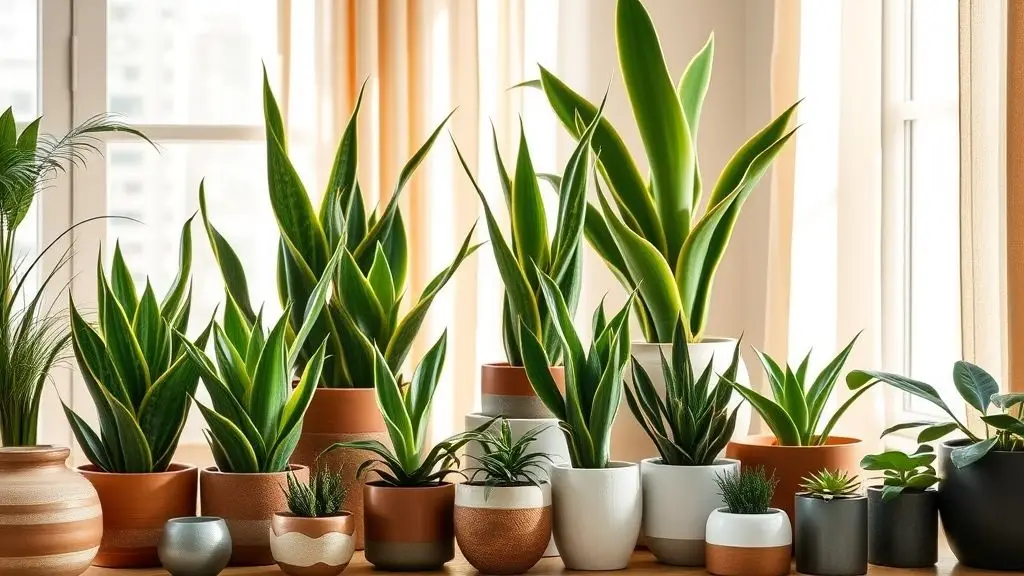
The Ultimate Snake Plant Pot Guide: Choosing the Perfect Home
The Ultimate Snake Plant Pot Guide: Choosing the Perfect Home
Table of Contents
The Ultimate Snake Plant Pot Guide: Choosing the Perfect Home (10+ Tips!)
Choosing the right snake plant pot is a foundational step in ensuring the health and longevity of your Sansevieria trifasciata. While snake plants are renowned for their resilience and low-maintenance nature, selecting an inappropriate snake plant pot can lead to issues like root rot, stunted growth, and ultimately, a struggling plant. This ultimate guide will delve deep into the essential considerations for selecting the ideal snake plant pot, offering you over 10 crucial tips to make the best choice for your beloved plant. Let’s explore the world of the snake plant pot and unlock the secrets to a thriving Sansevieria!
Understanding the Importance of the Right Snake Plant Pot
The snake plant pot isn’t just a decorative container; it plays a vital role in the overall well-being of your plant. The primary function of a snake plant pot is to provide a stable and appropriately sized environment for the root system to develop and thrive. However, the material, size, and most importantly, the drainage capabilities of the snake plant pot directly impact the moisture levels around the roots, which is a critical factor for snake plants.
Snake plants are native to arid and semi-arid regions and are adapted to drier conditions. Their roots are susceptible to rot if they remain consistently wet. Therefore, selecting a snake plant pot that facilitates proper drainage and allows the soil to dry out between waterings is paramount. Ignoring this crucial aspect of the snake plant pot can negate all other efforts in providing good care.
Over 10 Crucial Tips for Choosing the Perfect Snake Plant Pot
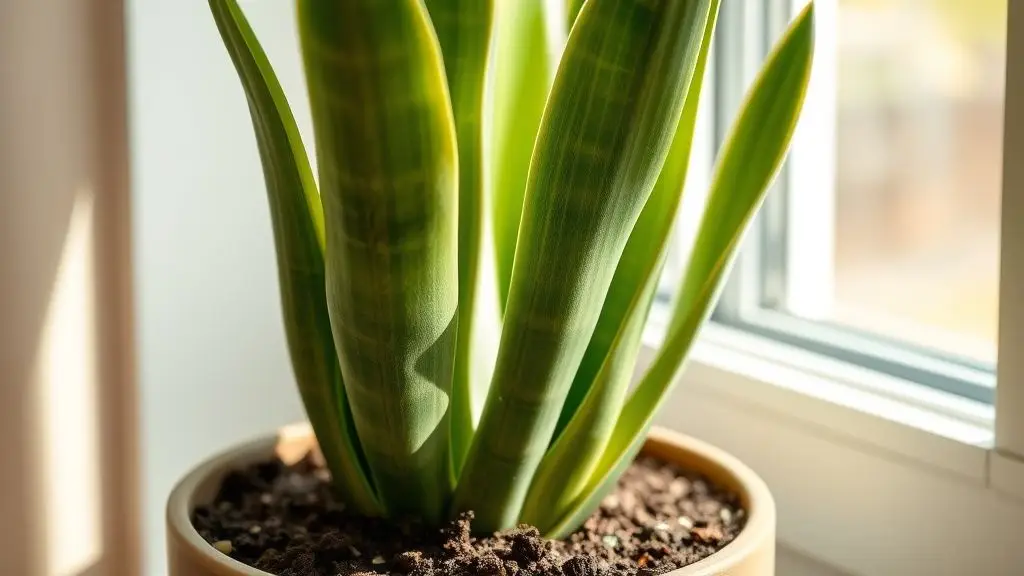
Here are over 10 essential tips to guide you in selecting the ideal snake plant pot for your Sansevieria:
1. Prioritize Drainage in Your Snake Plant Pot
The single most important feature of any snake plant pot is the presence of drainage holes. These openings at the bottom of the pot allow excess water to escape after watering, preventing the soil from becoming waterlogged. Without adequate drainage in your snake plant pot, the roots of your snake plant will sit in standing water, leading to anaerobic conditions and the proliferation of harmful fungi and bacteria that cause root rot. Always inspect a snake plant pot for sufficient drainage holes before purchasing.
2. Terracotta: Often the Best Snake Plant Pot Material
Terracotta pots are frequently lauded as the ideal snake plant pot material due to their porosity. The unglazed clay allows air and moisture to move through the pot walls, promoting better aeration around the roots and helping the soil dry out more evenly and quickly. This natural breathability of a terracotta snake plant pot significantly reduces the risk of overwatering, a common issue with snake plants. While terracotta might not offer the same aesthetic variety as other materials, its functional benefits make it a top choice for a snake plant pot.
3. Ceramic Snake Plant Pots: Style with Caution
Ceramic pots offer a wide array of styles, colors, and designs, making them an attractive option for a snake plant pot. However, unlike terracotta, ceramic is less porous and retains moisture for a longer period. If you choose a ceramic snake plant pot, ensure it has ample drainage holes. You will also need to be more vigilant about monitoring the soil moisture and adjusting your watering accordingly, allowing the soil to dry out thoroughly between waterings. Consider using a well-draining potting mix specifically formulated for succulents and cacti in a ceramic snake plant pot.
4. Plastic Snake Plant Pots: Lightweight and Affordable
Plastic pots are a budget-friendly and lightweight option for a snake plant pot. However, they are non-porous, meaning no moisture can escape through the pot walls. Therefore, excellent drainage is essential when using a plastic snake plant pot. Ensure there are multiple and adequately sized drainage holes. You may also find that soil in a plastic snake plant pot tends to stay moist for longer compared to terracotta, so careful watering practices are crucial.
5. Size Matters: Choosing the Right Snake Plant Pot Dimensions
Selecting the appropriate size snake plant pot is crucial for healthy growth. Snake plants prefer to be slightly root-bound, meaning their roots like to feel somewhat confined. An overly large snake plant pot will hold too much soil, which can retain moisture for extended periods and increase the risk of root rot.
- For small snake plants (under 10 inches tall): A 4-6 inch snake plant pot is generally suitable.
- For medium snake plants (10-20 inches tall): Opt for a 6-8 inch snake plant pot.
- For larger snake plants (20+ inches tall): An 8-12 inch snake plant pot should suffice.
When repotting your snake plant, only increase the pot size by about 1-2 inches in diameter.
6. Wide and Shallow: The Ideal Shape for a Snake Plant Pot
Snake plants have relatively shallow root systems and rhizomes (horizontal underground stems) that tend to spread outwards rather than downwards. Therefore, a wide and shallow snake plant pot is often more suitable than a deep one. This shape allows for better horizontal root development and helps the soil dry out more evenly. While deep pots can be used, ensure excellent drainage and be extra cautious with watering.
7. Self-Watering Snake Plant Pots: Convenience with Caution
Self-watering pots can seem like a convenient solution for plant care, but they require careful consideration for snake plants. These pots typically have a water reservoir at the bottom, and the plant draws up moisture as needed. While this can prevent underwatering, it can also lead to consistently moist soil around the roots if not managed correctly, increasing the risk of root rot in snake plants. If you choose a self-watering snake plant pot for your snake plant, use a well-draining potting mix and allow the top inch or two of soil to dry out completely before refilling the reservoir. Monitor the plant closely for any signs of overwatering.
8. Decorative Snake Plant Pots: Style Without Sacrificing Function
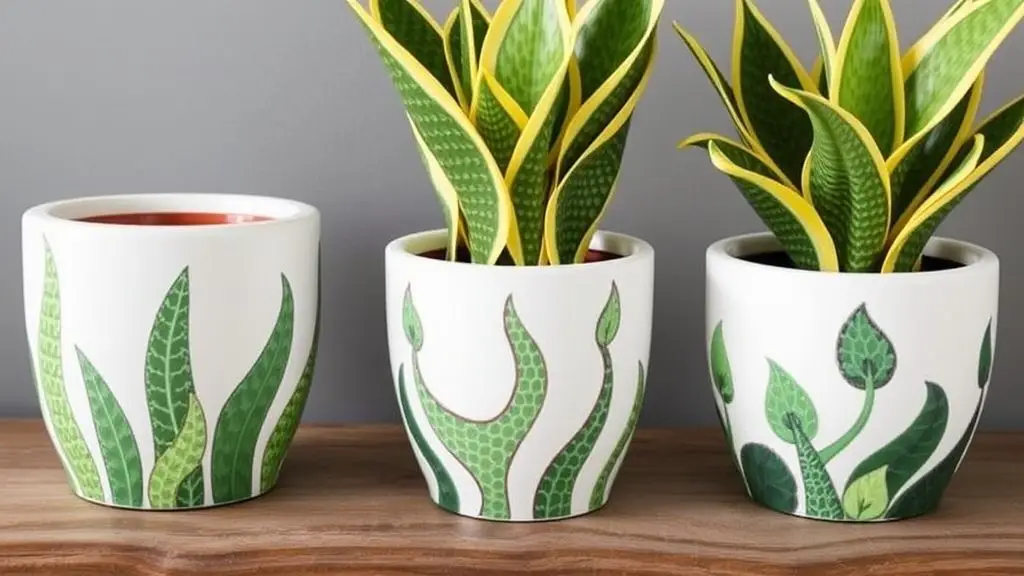
While aesthetics are important, never choose a decorative snake plant pot solely based on its appearance without considering its functionality. If you fall in love with a decorative snake plant pot that lacks drainage holes, you can still use it as a cachepot – a decorative outer pot that holds a smaller nursery pot with drainage. This allows you to easily remove the inner pot for watering and drainage. Ensure the cachepot doesn’t hold any standing water after the inner pot has drained.
9. Consider the Weight of Your Snake Plant Pot
Mature snake plants can become quite heavy, especially larger varieties. Choose a snake plant pot made from a sturdy material that can support the weight of the plant and the soil, especially if you plan to move it occasionally. Terracotta and ceramic pots can be heavier than plastic ones.
10. Inspect Your Snake Plant Pot Regularly
Over time, drainage holes in your snake plant pot can become clogged with soil or mineral buildup. Regularly inspect the bottom of your snake plant pot to ensure that water can drain freely. If you notice any blockage, gently clear the holes to maintain proper drainage.
11. Elevate Your Snake Plant Pot for Better Airflow
Placing your snake plant pot on a plant stand or saucer with feet can improve airflow around the bottom of the pot, which can aid in drainage and prevent water from sitting directly underneath. This is particularly beneficial for pots without elevated bases.
12. The Importance of the Right Potting Mix in Your Snake Plant Pot
While the snake plant pot is crucial, the potting mix you use is equally important. Snake plants thrive in well-draining soil that doesn’t retain excessive moisture. Use a potting mix specifically formulated for succulents and cacti in your snake plant pot. These mixes typically contain ingredients like sand, perlite, or pumice, which improve drainage and aeration.
Troubleshooting Common Snake Plant Pot Issues
- Root Rot: If your snake plant’s leaves are turning yellow or mushy, it could be a sign of root rot caused by poor drainage in your snake plant pot or overwatering. Repot the plant into a clean pot with good drainage and fresh, well-draining soil, removing any rotted roots.
- Stunted Growth: An inappropriately sized snake plant pot (either too large or the plant being severely root-bound in a too-small pot) can lead to stunted growth. Repotting into a correctly sized snake plant pot can help.
- Water Retention: If your snake plant pot material retains too much moisture, consider switching to a more porous material like terracotta or ensure excellent drainage and adjust your watering habits.
Conclusion: Choosing the Ideal Snake Plant Pot for a Thriving Sansevieria
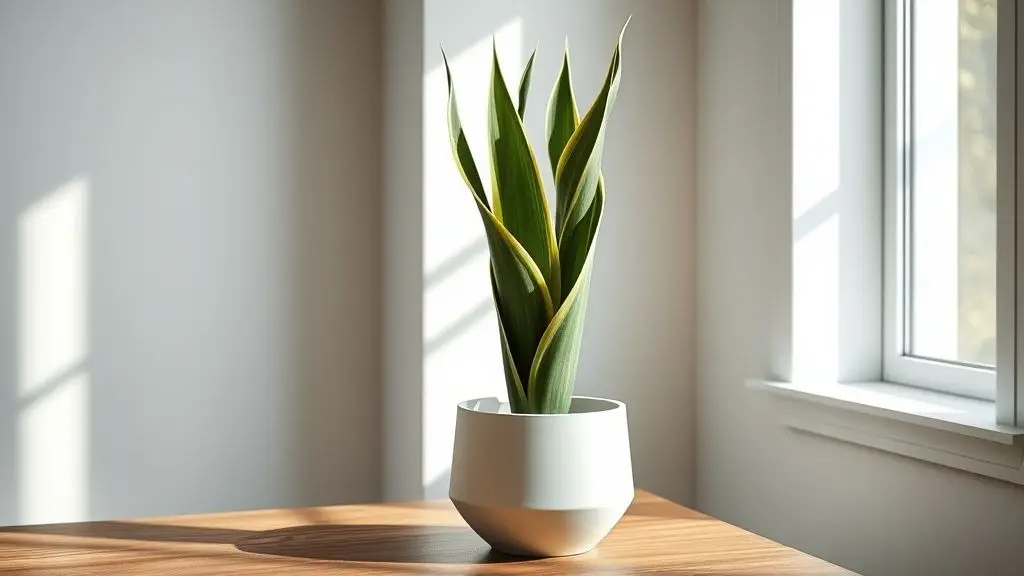
Selecting the perfect snake plant pot is a crucial investment in the health and well-being of your Sansevieria. By prioritizing drainage, choosing the right material and size, and considering the shape, you can create an optimal environment for your snake plant to thrive. Remember that the snake plant pot works in conjunction with proper watering techniques and the right potting mix. By following these ultimate tips, you’ll be well-equipped to choose the ideal snake plant pot and enjoy the beauty and resilience of your Sansevieria for years to come. Embrace the power of the perfect snake plant pot and watch your Sansevieria flourish!
Q&A
Q1: What is the ideal pot size for a snake plant?
A: Snake plants prefer to be slightly root-bound, so it’s best to choose a pot that’s just 1–2 inches larger in diameter than the current one. For instance, if your snake plant is in a 6-inch pot, upgrading to an 8-inch pot is appropriate. This allows room for growth without excessive soil that can retain moisture and cause root rot.
Q2: What type of pot is best for a snake plant?
A: The best pots for snake plants are those with good drainage. Materials like terracotta or unglazed ceramic are ideal because they are porous, allowing soil to dry out more efficiently. Ensure the pot has drainage holes to prevent water from accumulating at the bottom, which can lead to root rot.
Q3: Are decorative pots suitable for snake plants?
A: Yes, decorative pots can be used for snake plants, provided they have proper drainage. If a decorative pot lacks drainage holes, consider placing the plant in a plastic nursery pot with holes and then setting it inside the decorative pot. This method combines aesthetics with functionality, ensuring the plant’s health isn’t compromised.
Q4: What is the best container material for a snake plant?
A: Terracotta pots are often recommended for snake plants due to their porous nature, which promotes better airflow and moisture evaporation. However, snake plants are adaptable and can thrive in various containers, including plastic, ceramic, or metal pots, as long as there’s adequate drainage.
Q5: Where can I buy a snake plant near me?
A: Snake plants are widely available at local nurseries, garden centers, and home improvement stores. Retailers like Home Depot, Lowe’s, and Walmart often stock them. Additionally, online platforms such as Amazon and specialized plant retailers offer a variety of snake plant options for delivery.
Q6: Does B&Q sell snake plants?
A: Yes, B&Q offers snake plants, also known as Sansevieria. They provide a selection of these plants in various sizes and pot styles, both in-store and online. It’s advisable to check their website or contact your local B&Q store for current availability.
Q7: What is the best pot for snakes (the reptiles)?
A: For pet snakes, the term “pot” isn’t typically used. Instead, snakes require enclosures or terrariums that provide adequate space, security, and environmental control. The size and type of enclosure depend on the snake species. It’s essential to research the specific needs of your snake and consult with a reptile specialist to ensure proper housing.
Q8: Does Marks & Spencer sell snake plants?
A: Marks & Spencer has previously offered snake plants, such as the Medium Sansevieria in a ceramic pot. However, availability may vary based on season and location. It’s recommended to visit the M&S website or contact their customer service for the most up-to-date information on plant offerings.