Everything About Plants – Care, Tips & Green Inspiration

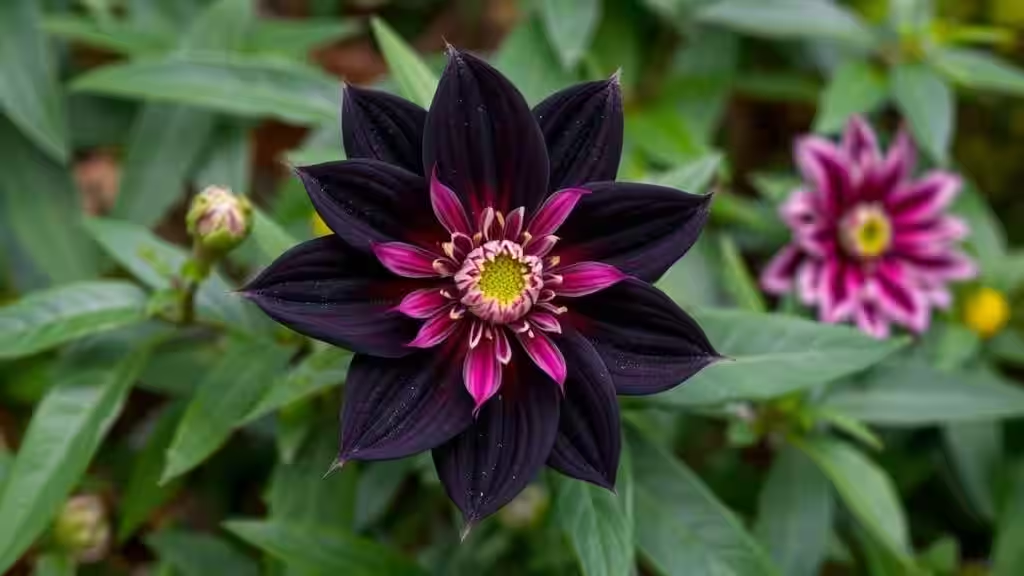
7 Captivating Black Dahlia Plant Varieties to Grow
The black dahlia plant holds a unique allure for gardeners and flower enthusiasts alike. While true black flowers are rare in nature, the term "black dahlia" refers to cultivars that boast
Table of Contents
The black dahlia plant holds a unique allure for gardeners and flower enthusiasts alike. While true black flowers are rare in nature, the term “black dahlia” refers to cultivars that boast incredibly deep shades of burgundy, maroon, or purple, often appearing almost black, especially under certain lighting conditions. These captivating blooms add a touch of drama, mystery, and undeniable elegance to any garden or floral arrangement. Before we delve into specific black dahlia plant varieties, it’s important to understand that the intensity of the dark color can vary depending on the specific cultivar, soil conditions, and sunlight exposure.
Understanding the Fascination with the Black Dahlia Plant
The fascination surrounding the black dahlia plant is multifaceted. Its rarity in the floral world makes it a sought-after addition for collectors and those seeking unique blooms. The deep, velvety petals evoke a sense of sophistication and can create striking visual contrasts with lighter-colored flowers in a garden setting. Furthermore, for those interested in “goth gardening” or creating a more dramatic and moody ambiance, the black dahlia plant is an indispensable element.
It’s also worth noting the cultural significance associated with the name “Black Dahlia,” which is unfortunately linked to the infamous unsolved murder of Elizabeth Short in 1947. While this tragic event has imprinted the name in popular culture, our focus here is on the captivating beauty and horticultural aspects of the black dahlia plant.
7 Captivating Black Dahlia Plant Varieties to Cultivate
If you’re looking to introduce the dramatic beauty of the black dahlia plant into your garden, you’re in luck! Several stunning cultivars offer incredibly dark blooms. Here are 7 captivating black dahlia plant varieties that are popular among gardeners:
1. Black Satin Dahlia Plant
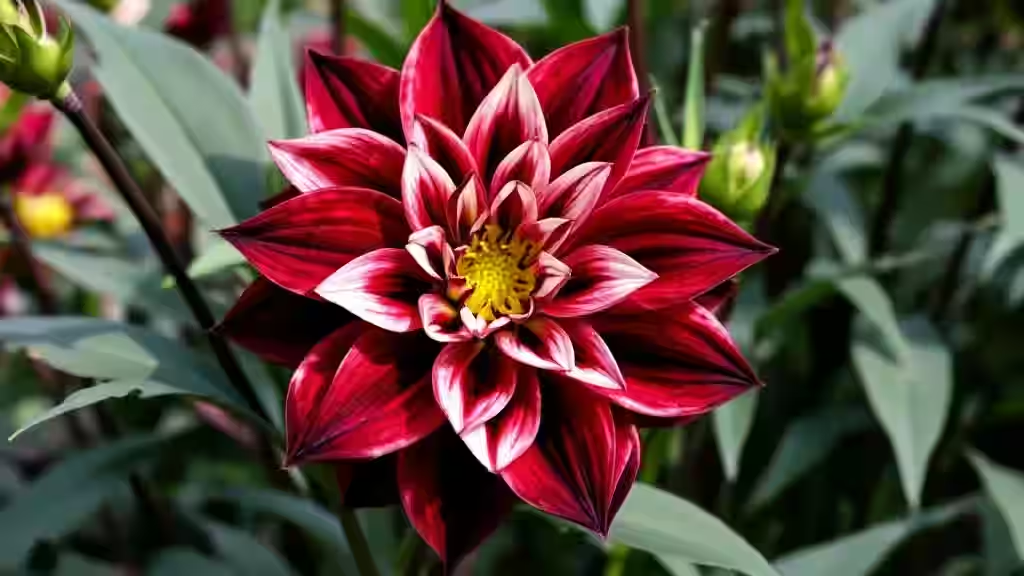
The Black Satin dahlia plant is perhaps one of the most well-known and sought-after “black” varieties. Its flowers are a deep, velvety burgundy that appears almost black, especially in lower light. The blooms are typically medium to large in size, often reaching 4-6 inches in diameter. The Black Satin dahlia plant is also known for its relatively tall stature, often growing to heights of 3-5 feet, making it a striking presence in borders or as a cut flower. The dark foliage of this black dahlia plant further enhances the dramatic effect of the blooms.
2. Black Narcissus Dahlia Plant
The Black Narcissus dahlia plant offers a unique semi-cactus form with its long, pointed petals that curl slightly. The color is a rich, dark maroon that can appear nearly black. The blooms are typically medium-sized, around 4-5 inches in diameter, and are produced abundantly on plants that reach heights of 3-4 feet. The Black Narcissus dahlia plant is prized for its elegant flower shape and its ability to add a touch of sophistication to the garden. Its darker foliage provides a beautiful backdrop for the intense flower color.
3. Black Jack Dahlia Plant
The Black Jack dahlia plant is a stunning “dinner plate” variety, meaning its blooms can be impressively large, often reaching 8-10 inches in diameter. The color is a deep, dark purple that can appear almost black, especially towards the center of the flower. The plants themselves are also quite tall, often growing to 4-5 feet, requiring support to prevent the heavy blooms from bending the stems. The sheer size and intense color of the Black Jack dahlia plant make it a true showstopper in any garden.
4. Dark Spirit Dahlia Plant
The Dark Spirit dahlia plant lives up to its name with its deep, brooding blooms. The color is a rich, dark burgundy that holds its intensity well throughout the blooming season. The flowers are typically medium to large, around 5-7 inches in diameter, and are produced on plants that grow to a height of 3-4 feet. The Dark Spirit dahlia plant is known for its prolific blooming and its ability to maintain its dark color even in brighter sunlight.
5. Veronne’s Obsidian Dahlia Plant
The Veronne’s Obsidian dahlia plant offers a particularly dark and velvety bloom. The color is a deep, smoky burgundy that truly evokes the darkness of obsidian. The flowers are typically medium-sized, around 4-6 inches in diameter, and are borne on plants that reach heights of 3-4 feet. The Veronne’s Obsidian dahlia plant is admired for its unique and intense dark coloration, making it a standout choice for those seeking a truly “black” appearance.
6. Black Touch Dahlia Plant
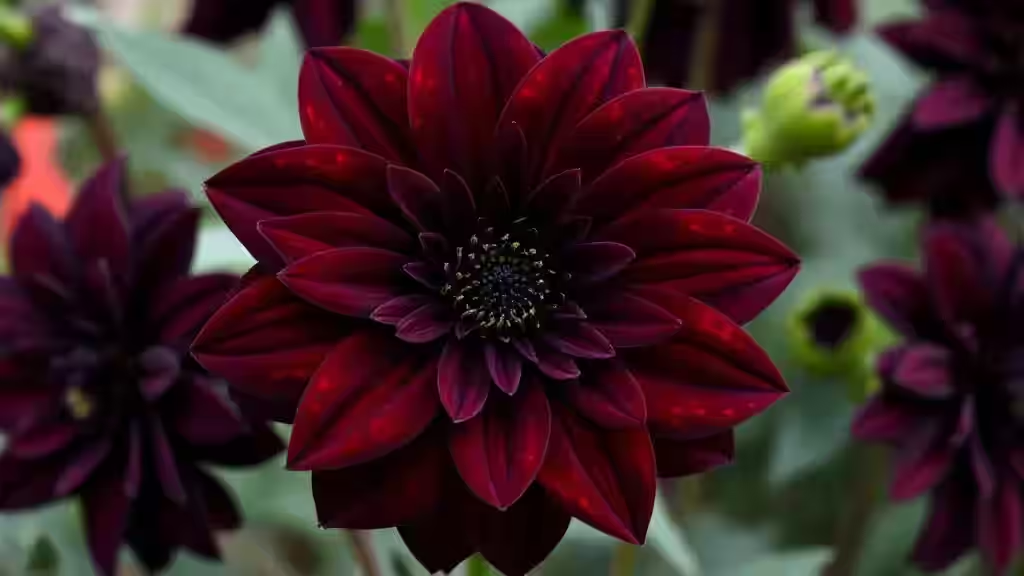
The Black Touch dahlia plant is another cultivar that offers very dark blooms. The color is a deep, rich maroon that often appears black, especially in the center of the flower and under certain lighting conditions. The flowers are typically medium-sized, around 4-5 inches in diameter, and are produced on plants that grow to a height of 3-4 feet. The Black Touch dahlia plant is known for its elegant flower form and its ability to provide a sophisticated touch to the garden.
7. Rip City Dahlia Plant
While sometimes described as a black decorative dahlia, the Rip City dahlia plant often presents as a very deep, dark red or maroon that can appear black from a distance. The blooms are typically medium to large, around 6-8 inches in diameter, and are produced on plants that can reach 3-4 feet tall. The Rip City dahlia plant is valued for its striking color and its ability to create a bold statement in the garden.
Growing Your Own Black Dahlia Plant: Essential Tips
Cultivating a thriving black dahlia plant requires attention to a few key factors. Here are essential tips for successfully growing these captivating blooms:
Choosing the Right Location for Your Black Dahlia Plant
The black dahlia plant thrives in a location that receives at least 6-8 hours of direct sunlight per day. While they can tolerate some afternoon shade, especially in hotter climates, insufficient sunlight can lead to leggy growth and reduced flowering. Ensure the planting location has well-draining soil. Dahlias are susceptible to rot in soggy conditions.
Preparing the Soil for Your Black Dahlia Plant
Before planting your black dahlia plant tubers, prepare the soil by amending it with compost or other organic matter. This will improve drainage, aeration, and provide essential nutrients for healthy growth. Dahlias prefer slightly acidic to neutral soil with a pH between 6.0 and 7.0.
Planting Black Dahlia Plant Tubers
Black dahlia plant are typically grown from tubers. Plant the tubers in the spring after the last frost has passed and the soil has warmed up. Dig holes that are about 4-6 inches deep and place the tuber horizontally with the “eyes” (small sprouts) facing upwards. Space the tubers about 1-3 feet apart, depending on the mature size of the specific black dahlia plant variety. Cover the tubers with soil and water gently.
Watering Your Black Dahlia Plant
Once your black dahlia plant begins to grow, water regularly, especially during dry periods. Aim for deep watering a couple of times a week, rather than shallow daily watering. Avoid overhead watering, which can promote fungal diseases.
Fertilizing Your Black Dahlia Plant
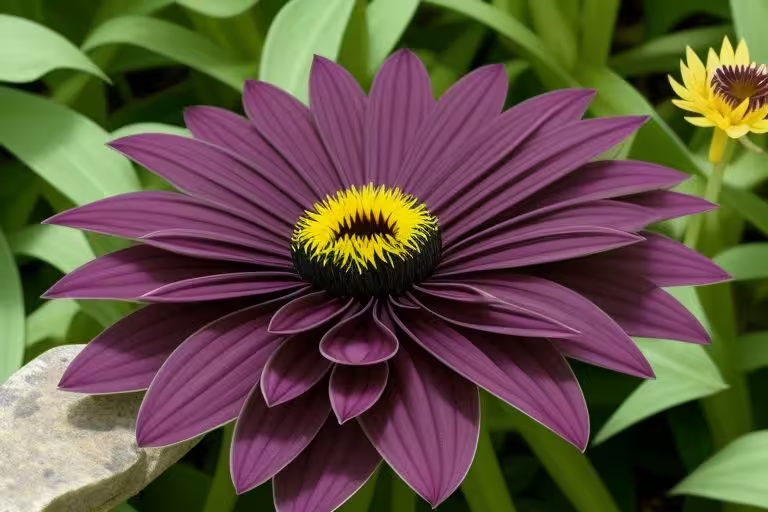
To encourage abundant blooms on your black dahlia plant, fertilize every 4-6 weeks with a balanced, low-nitrogen fertilizer. High-nitrogen fertilizers can promote excessive foliage growth at the expense of flowers. Stop fertilizing in late summer to allow the tubers to mature for winter storage.
Providing Support for Your Black Dahlia Plant
Many black dahlia plant varieties, especially taller ones and those with large blooms, will require support to prevent their stems from breaking or bending under the weight of the flowers. Install stakes or cages early in the growing season to provide adequate support.
Deadheading Your Black Dahlia Plant
Regular deadheading, which involves removing spent blooms, will encourage your black dahlia plant to produce more flowers throughout the blooming season. Cut the spent flower stems back to a main stem or a set of leaves.
Overwintering Black Dahlia Plant Tubers
In regions with cold winters where the ground freezes, black dahlia plant tubers need to be dug up and stored indoors over the winter. After the first frost has blackened the foliage, carefully dig up the tubers, brush off excess soil, and allow them to air dry for a few days. Store the tubers in a cool, dry, and dark location, such as a basement or garage, in a breathable container filled with peat moss or vermiculite.
The Black Dahlia Plant: A Striking Addition to Any Garden
The black dahlia plant, with its captivatingly dark blooms, is a truly striking addition to any garden. Whether you choose the velvety depths of ‘Black Satin,’ the elegant form of ‘Black Narcissus,’ or the impressive size of ‘Black Jack,’ these unique flowers are sure to draw attention and admiration. By providing the right growing conditions and care, you can enjoy the dramatic beauty of the black dahlia plant throughout the blooming season and beyond. Embrace the allure of these dark beauties and add a touch of mystery and sophistication to your outdoor space with the black dahlia plant.
FAQ
How rare are black dahlias?
While the black dahlia plant, in the sense of a truly jet-black flower, is incredibly rare in nature, several cultivars produce blooms that are so deep in color – typically dark burgundy, maroon, or purple – that they appear almost black, especially under certain lighting conditions. These intensely dark varieties are not as common as lighter-colored dahlias but are readily available to gardeners through specialized nurseries and online retailers. The perceived rarity contributes to their allure and desirability.
Is the black dahlia a real plant?
Yes, the black dahlia is a real plant. It refers to various cultivated varieties of dahlias (Dahlia genus) that produce exceptionally dark-colored flowers. These are not a separate species but rather specific cultivars bred for their deep pigmentation. The term “black” is used colloquially to describe their very dark hues, even though they aren’t botanically a true black.
Can you grow black dahlias?
Absolutely! You can successfully grow black dahlia plants in your garden. They have similar growing requirements to other dahlia varieties, thriving in well-draining soil and full sun (at least 6-8 hours daily). They are typically grown from tubers planted in the spring after the last frost. With proper care, including regular watering, fertilization, deadheading, and support for taller varieties, you can enjoy their captivating dark blooms throughout the summer and fall. In colder climates, the tubers need to be dug up and overwintered indoors.
Why does Wednesday like the Black Dahlia?
The reference to “Wednesday” liking the Black Dahlia likely stems from the popular character Wednesday Addams, known for her affinity for darker aesthetics, the macabre, and the unusual. The black dahlia plant, with its deep, almost black flowers, perfectly aligns with Wednesday’s taste for the darkly beautiful and mysterious. It’s a symbolic connection between the flower’s dramatic appearance and the character’s personality. The LEGO product “Black Dahlia Flower 76784” further solidifies this association in popular culture, likely referencing Wednesday Addams.