Everything About Plants – Care, Tips & Green Inspiration

Snake Plant Flower: 12 Amazing Facts You Need to Know
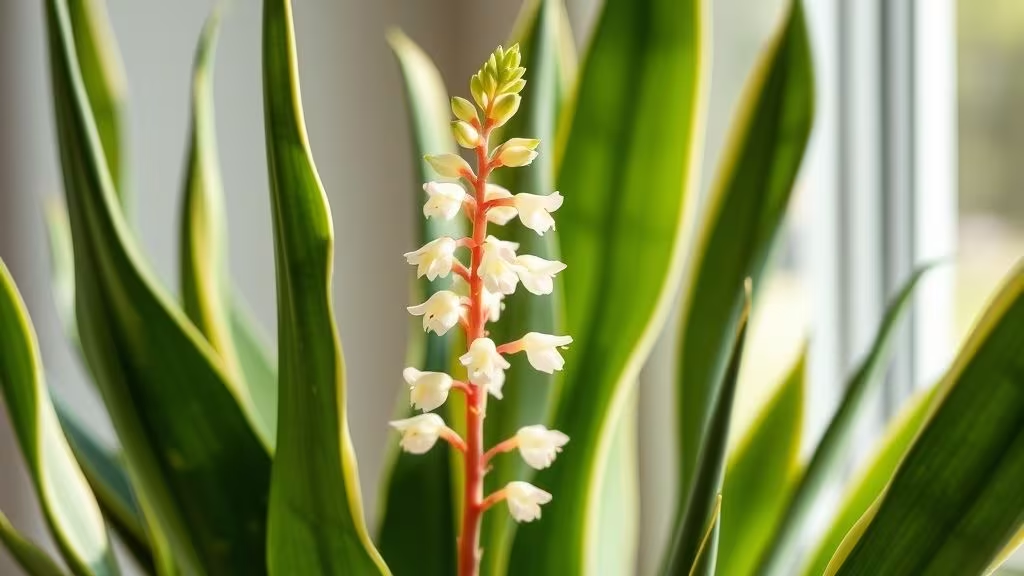
The snake plant flower remains a somewhat enigmatic phenomenon for many indoor gardeners. Its rarity only adds to its allure, making it a celebrated event when it does occur.
Table of Contents
12 Amazing Facts About the Elusive Snake Plant Flower
The appearance of a snake plant flower is often met with surprise and delight by plant owners. Known primarily for its striking, upright foliage, the snake plant (now botanically classified under the genus Dracaena, though still widely referred to as Sansevieria) is not typically thought of as a flowering houseplant. However, under the right conditions, these resilient plants can indeed produce unique and fragrant blooms. This article delves into 12 amazing facts surrounding the elusive snake plant flower, shedding light on its characteristics, the circumstances that encourage its appearance, and some of the intriguing beliefs associated with it. Understanding the snake plant flower can deepen your appreciation for this popular and easy-care houseplant.
Unveiling the Mystery: The Snake Plant Flower
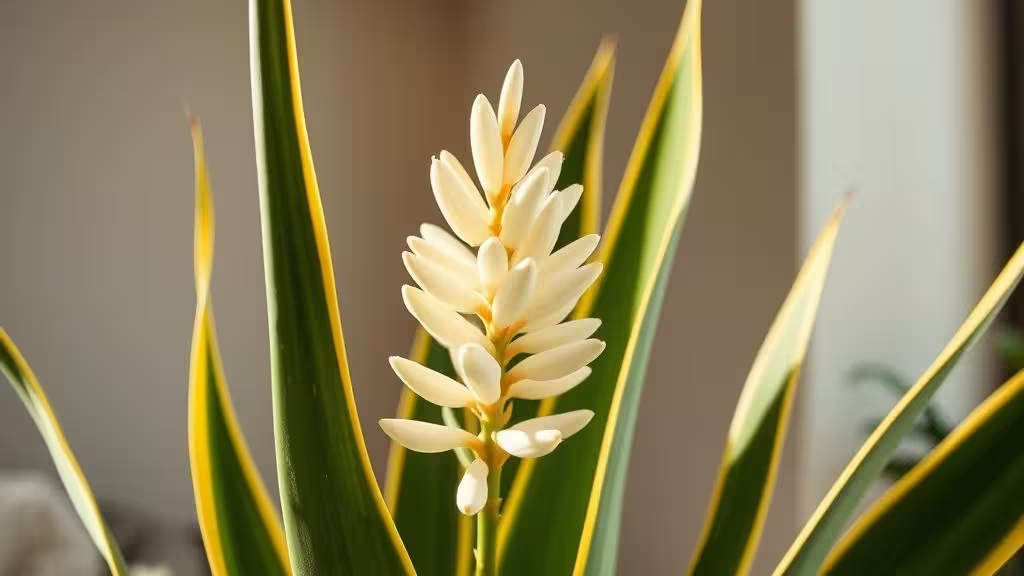
The snake plant flower remains a somewhat enigmatic phenomenon for many indoor gardeners. Its rarity only adds to its allure, making it a celebrated event when it does occur. Unlike some houseplants that bloom readily and frequently, the snake plant flower requires specific triggers and often appears after a period of maturity or even slight environmental stress. Exploring the details of the snake plant flower reveals a fascinating aspect of this otherwise stoic plant.
12 Amazing Facts You Should Know About the Snake Plant Flower
Here are 12 amazing facts that will enhance your understanding of the intriguing snake plant flower:
1. Rare Bloomers, Especially Indoors
The snake plant flower is not a common sight, particularly when these plants are grown indoors. Most snake plants are cultivated for their architectural leaves and their air-purifying qualities, with flowering being a relatively infrequent occurrence. Outdoor snake plants in their native tropical West Africa are more likely to bloom regularly.
2. Delicate and Tubular Appearance
The snake plant flower itself is quite delicate in appearance. It typically features small, tubular blossoms that form in clusters along a slender stalk. The petals are thin and often spread outwards, giving them a somewhat star-like or honeysuckle-like resemblance. This delicate beauty stands in contrast to the plant’s robust leaves.
3. A Sweet and Potent Fragrance
One of the most remarkable aspects of the snake plant flower is its strong and sweet fragrance. Often described as being similar to vanilla or jasmine, this scent is particularly noticeable at night when the flowers typically open. The potent aroma can fill a room, adding an unexpected sensory dimension to owning a snake plant.
4. Colors Ranging from White to Yellow and Even Pink
While the most common color for the snake plant flower is creamy white or greenish-white, they can also appear in shades of pale yellow or even, in some varieties like Sansevieria trifasciata ‘soratsukamoto’, a lovely pale pink. This color variation adds to the visual interest of the blooms.
5. Growing on Impressively Tall Stalks
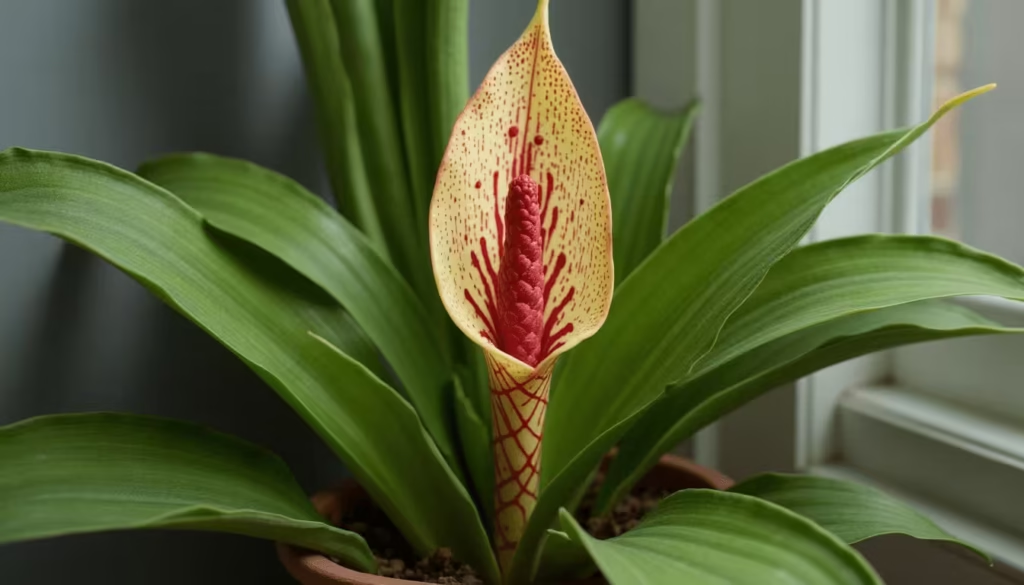
When a snake plant decides to bloom, it sends up an impressively long and slender flower stalk from its central crown. This stalk can reach heights of up to three feet, towering above the plant’s foliage and showcasing the delicate clusters of snake plant flower buds.
6. Often Triggered by Maturity and Slight Stress
The appearance of a snake plant flower is often linked to the plant reaching a certain level of maturity. Additionally, some degree of environmental stress, such as slightly inconsistent watering or the plant becoming somewhat root-bound, can sometimes trigger the plant’s survival mechanism to produce flowers and seeds.
7. Blooming Primarily in the Spring
The snake plant flower typically makes its appearance in the spring months, coinciding with the natural growth cycle of many plants as daylight hours lengthen and temperatures begin to rise. Paying attention to your plant’s watering as it emerges from its dormant winter period might play a role in encouraging blooms.
8. Flowering Doesn’t Mean the Plant is Dying
Despite the potential link to stress, the appearance of a snake plant flower is generally not an indication that the plant is unhealthy or dying. In fact, for a mature plant, it can be a sign that it is thriving under its current conditions. However, it’s wise to assess your plant’s overall health if flowering occurs in a very young or seemingly unhealthy specimen.
9. Spent Flower Stalks Should Be Removed
Once the snake plant flower has withered and faded, it’s generally recommended to cut off the spent flower stalk at its base. This helps the plant conserve energy that would otherwise be directed towards seed production or maintaining the dead stalk. Removing the stalk also improves the plant’s overall appearance.
10. Potential Symbol of Prosperity
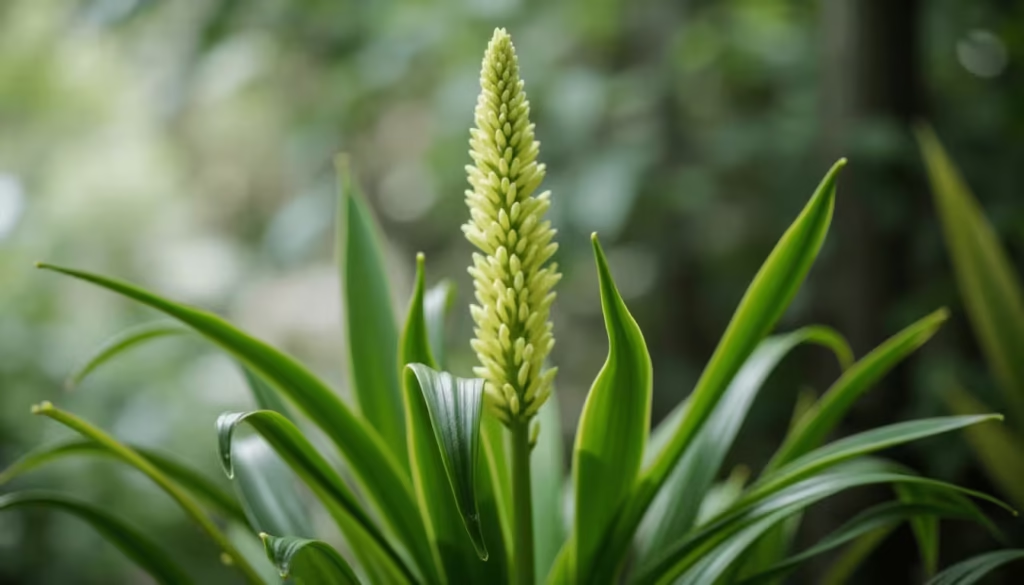
Interestingly, due to the rarity of indoor blooming, some cultures and beliefs associate the snake plant flower with good luck and prosperity. The unexpected appearance of these fragrant blooms is seen as a positive omen, signifying that good things are on the horizon.
11. Energy Intensive for the Plant
Producing a snake plant flower and subsequently developing seeds is an energy-intensive process for the plant. The plant dedicates significant resources to this reproductive phase, both during the blooming period and for some time after the flowers fade. This energy investment is another reason why flowering might not occur frequently.
12. Mimicking Natural Habitat May Encourage Blooms
Snake plants are native to the dry, arid regions of West Africa. Therefore, providing conditions that mimic their natural habitat – including bright light and allowing the soil to dry out thoroughly between waterings – might increase the likelihood of seeing a snake plant flower on your indoor plant. Avoiding overwatering is particularly crucial for preventing root rot and promoting overall plant health, which can indirectly support blooming.
The snake plant flower, while a rare sight for many indoor plant enthusiasts, offers a fascinating glimpse into the reproductive capabilities of this popular houseplant. Understanding these 12 amazing facts can deepen your appreciation for your snake plant and make the appearance of its fragrant blooms an even more special and celebrated event. Whether you view it as a sign of good luck or simply a beautiful anomaly, the snake plant flower is a testament to the resilience and surprising nature of the plant kingdom.