Everything About Plants – Care, Tips & Green Inspiration

1. Shocking Danger: Giant Elephant Ear Plant Toxicity
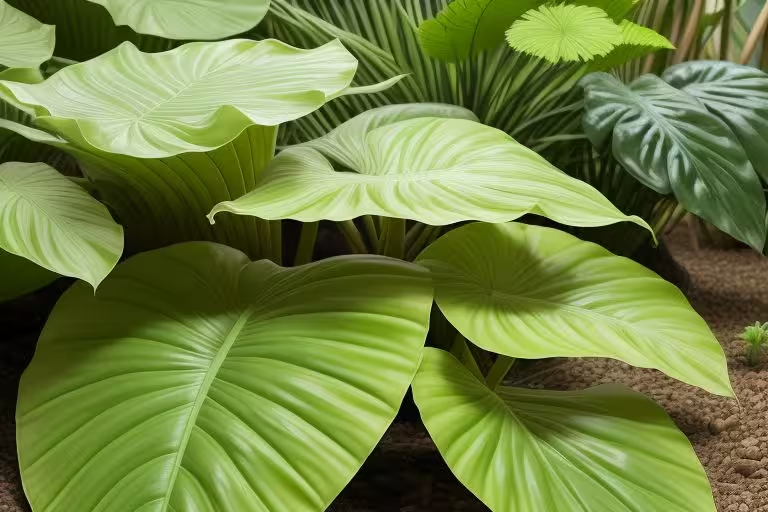
Giant elephant ear plant is a term that evokes images of lush, tropical gardens with enormous, dramatically shaped leaves.
Table of Contents
1. Shocking Danger: Giant Elephant Ear Plant Toxicity – A Must-Read Guide
Giant elephant ear plant is a term that evokes images of lush, tropical gardens with enormous, dramatically shaped leaves. These plants, often belonging to the Alocasia and Colocasia genera, are indeed captivating additions to landscapes and indoor spaces alike.
However, beneath their impressive foliage lies a shocking danger that every plant enthusiast, especially those with children or pets, must be aware of: giant elephant ear plant toxicity. While many resources celebrate the aesthetic appeal and growth habits of the giant elephant ear plant, a crucial aspect often understated is its potential to cause harm if ingested or even handled improperly.
This comprehensive article will delve into the shocking reality of giant elephant ear plant toxicity, exploring the specific toxic compounds present, the wide range of symptoms that can manifest in humans and animals, critical first aid measures, potential medical treatments, and, most importantly, proactive strategies to ensure the safety of your loved ones around this seemingly benign plant.
Ignoring the inherent dangers of giant elephant ear plant toxicity can lead to significant distress and health complications. Therefore, a thorough understanding of giant elephant ear plant toxicity is paramount for responsible plant ownership and the well-being of your family.
Unveiling the Hidden Threat: Giant Elephant Ear Plant Toxicity
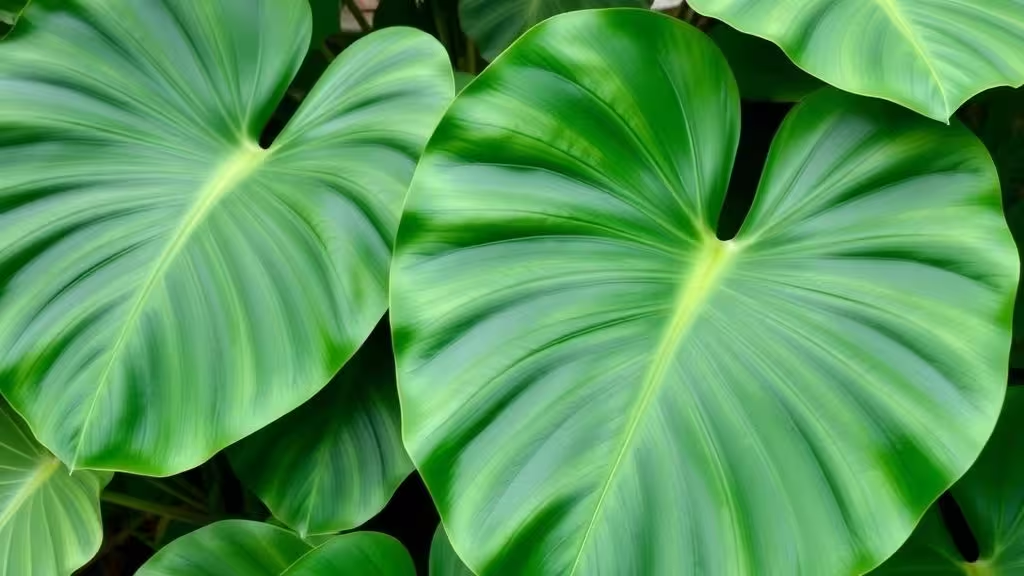
The allure of the giant elephant ear plant with its oversized leaves and tropical vibe is undeniable. However, it is essential for plant enthusiasts to unveil the hidden threat associated with giant elephant ear plant toxicity. The danger is rooted in the plant’s natural defense mechanisms, involving specific chemical compounds that can trigger adverse reactions upon contact or ingestion. Understanding why giant elephant ear plant toxicity is a serious concern is the first step towards creating a safe environment.
The Culprits Within: Calcium Oxalate Crystals and Giant Elephant Ear Plant Toxicity
The primary culprits responsible for the toxicity of the giant elephant ear plant are microscopic, needle-shaped calcium oxalate crystals. These insoluble crystals are present in all parts of the plant, including the leaves, stems, and roots. When the plant tissue is chewed or broken, these crystals are released and can penetrate the soft tissues of the mouth, throat, and digestive tract. This physical penetration, rather than a purely chemical reaction, causes immediate irritation and a range of painful symptoms.
In addition to calcium oxalate crystals, some sources also mention the presence of saponins in Colocasia species, which can contribute to gastrointestinal upset. While the primary irritant is the calcium oxalate, the potential presence of saponins further underscores the need for caution regarding giant elephant ear plant toxicity. Understanding the mechanism of these toxic compounds is crucial for appreciating the potential harm associated with the giant elephant ear plant.
Recognizing the Distress Signals: Symptoms of Giant Elephant Ear Plant Toxicity
Prompt recognition of the symptoms of giant elephant ear plant toxicity is crucial in minimizing discomfort and potential complications. The signs can vary depending on whether the exposure is through skin contact or ingestion, and whether the affected individual is a human or an animal. Vigilance and knowing what to look for can help you react quickly and appropriately.
Symptoms in Humans: Giant Elephant Ear Plant Toxicity
Exposure to the giant elephant ear plant can manifest in several ways in humans:
- Skin Irritation: Handling the plant’s sap can cause immediate redness, itching, and a burning sensation on the skin. In some cases, blisters may develop.
- Oral Irritation: If any part of the plant is chewed or ingested, the calcium oxalate crystals can cause intense pain and a burning sensation in the mouth, lips, and tongue.
- Excessive Salivation: The irritation in the mouth and throat can lead to increased drooling.
- Swelling: The lips, tongue, and throat may swell, potentially causing difficulty in speaking and swallowing.
- Nausea and Vomiting: Ingestion can lead to gastrointestinal upset, including nausea and vomiting.
- Difficulty Breathing: In severe cases of swelling in the throat, breathing difficulties can occur, requiring immediate medical attention.
Symptoms in Pets (Cats and Dogs): Giant Elephant Ear Plant Toxicity
Pets, particularly curious cats and dogs, are also susceptible to giant elephant ear plant toxicity:
- Oral Irritation: Similar to humans, pets will experience intense burning and pain in their mouth and throat, often accompanied by excessive drooling and pawing at their face.
- Swollen Mouth, Tongue, and Lips: Visible swelling of the oral tissues is a common sign.
- Vomiting: Ingestion frequently leads to vomiting as the digestive system reacts to the irritants.
- Diarrhea: Diarrhea may also occur.
- Loss of Appetite: The oral pain and gastrointestinal upset can cause a temporary loss of appetite.
- Difficulty Swallowing: Swelling in the throat can make swallowing difficult.
- Respiratory Distress: Although rare, severe swelling in the upper airway could lead to breathing difficulties.
- Lethargy: The discomfort and systemic effects can make pets appear tired and lethargic.
It is critical to remember that even a small nibble of a giant elephant ear plant can cause significant discomfort to both humans and animals. If you suspect any exposure, immediate action is necessary.
Immediate Response: First Aid for Giant Elephant Ear Plant Exposure
If you suspect that you, a child, or a pet has come into contact with or ingested a giant elephant ear plant, immediate first aid measures can help alleviate symptoms while you seek professional medical or veterinary help.
First Aid for Human Exposure to Giant Elephant Ear Plant
- Skin Contact: Immediately wash the affected area thoroughly with soap and water. Avoid rubbing, which can further embed the crystals. Apply a cold compress to help soothe the irritation. If a rash develops or persists, seek medical advice.
- Oral Contact or Ingestion: Rinse the mouth thoroughly with cool water for several minutes. Encourage the person to spit out the water and not swallow it. Offer cool liquids like milk or water to help soothe the burning sensation. Do not induce vomiting unless specifically advised by a medical professional or poison control. Seek immediate medical attention or contact a poison control center for further guidance.
First Aid for Pet Exposure to Giant Elephant Ear Plant
- Oral Contact or Suspected Ingestion: Gently rinse your pet’s mouth with cool water for several minutes, encouraging them to spit it out. Do not induce vomiting unless specifically instructed by your veterinarian or a pet poison helpline. Offering small amounts of milk or water might help soothe the irritation.
- Contact Your Veterinarian Immediately: Even if symptoms appear mild initially, it is crucial to contact your veterinarian or a pet poison helpline as soon as possible. Provide them with details of the exposure, the amount potentially ingested, and the symptoms your pet is exhibiting. They will advise on the next steps and whether a veterinary examination is necessary.
Remember, first aid aims to provide immediate relief and prevent further harm while you seek professional help for giant elephant ear plant toxicity.
Professional Intervention: Medical and Veterinary Treatment for Giant Elephant Ear Poisoning
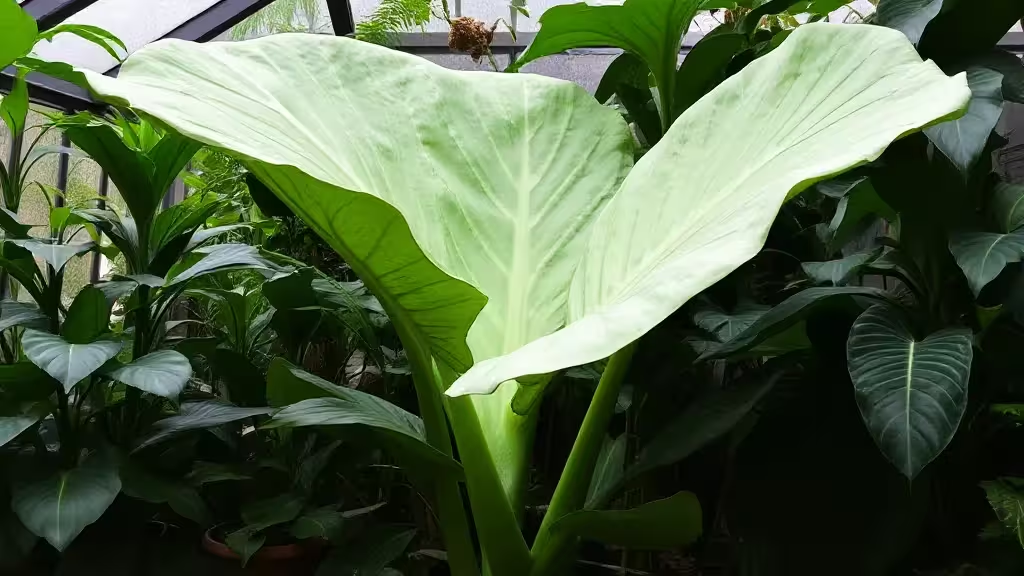
Following first aid, professional medical or veterinary treatment may be necessary depending on the severity of the symptoms resulting from giant elephant ear plant exposure.
Medical Treatment for Human Exposure
Medical treatment for giant elephant ear plant poisoning in humans typically focuses on symptomatic relief:
- Oral Irritation: Doctors may recommend pain relievers, antihistamines to reduce swelling, and soothing mouthwashes. In severe cases of swelling, corticosteroids might be prescribed.
- Skin Irritation: Topical corticosteroids or antihistamine creams may be recommended to alleviate itching and inflammation.
- Gastrointestinal Symptoms: Treatment may include anti-nausea medication and ensuring adequate hydration.
- Respiratory Distress: If breathing difficulties occur due to severe swelling, immediate emergency medical intervention, possibly including airway management, will be necessary.
Veterinary Treatment for Pet Exposure
Veterinary treatment for giant elephant ear plant poisoning in pets also focuses on supportive care:
- Oral Irritation: Veterinarians may administer pain relief medication and anti-inflammatory drugs to reduce swelling and discomfort.
- Gastrointestinal Symptoms: Anti-emetics to control vomiting, protectants for the gastrointestinal lining, and intravenous or subcutaneous fluids to combat dehydration may be administered.
- Airway Management: In rare cases of severe airway swelling, the veterinarian may need to provide oxygen therapy or other respiratory support.
- Monitoring: The veterinarian will monitor your pet’s condition to ensure the symptoms are resolving and no further complications arise.
There is no specific antidote for poisoning caused by the calcium oxalate crystals in the giant elephant ear plant. Treatment is aimed at managing the immediate symptoms and supporting the body’s recovery. Prompt professional care usually leads to a good prognosis.
Prevention is Paramount: Ensuring Safety Around Giant Elephant Ear Plants
The most effective way to prevent the distress and potential health issues associated with giant elephant ear plant toxicity is to implement proactive safety measures, especially if you have children or pets.
Restrict Access: Keeping Plants Out of Reach
The most crucial step is to ensure that giant elephant ear plants are completely inaccessible to children and pets. This may involve:
- Elevated Placement: Position plants on high shelves or hanging baskets that cannot be reached, even by climbing or jumping.
- Dedicated Rooms: Keep plants in rooms that are off-limits to children and pets.
- Protective Barriers: Use physical barriers like plant stands with enclosed bases or decorative caging to prevent access.
Education and Awareness: Teaching Children and Supervising Pets
- Educate Children: Teach children that all parts of the giant elephant ear plant are harmful and should not be touched or tasted.
- Supervise Pets: Closely supervise pets when they are near any houseplants, including giant elephant ear plants. Discourage chewing or playing with the foliage.
Handle with Care: Protective Measures for Plant Owners
When handling giant elephant ear plants for watering, repotting, or pruning, take the following precautions:
- Wear Gloves: Use gardening gloves to prevent skin contact with the sap and calcium oxalate crystals.
- Wash Hands Thoroughly: After handling the plant, wash your hands thoroughly with soap and water, even if you wore gloves.
- Clean Tools: Clean any gardening tools that have come into contact with the plant to remove any residual sap or crystals.
Consider Alternatives: Choosing Pet-Safe Plants
If you have pets that tend to chew on plants, consider opting for non-toxic alternatives to the giant elephant ear plant. There are many beautiful and safe houseplants that will not pose a risk to your furry companions.
By implementing these preventative measures, you can significantly reduce the risk of exposure to giant elephant ear plant toxicity and ensure a safer environment for everyone in your household.
Safe Greenery: Non-Toxic Alternatives to Giant Elephant Ear Plants
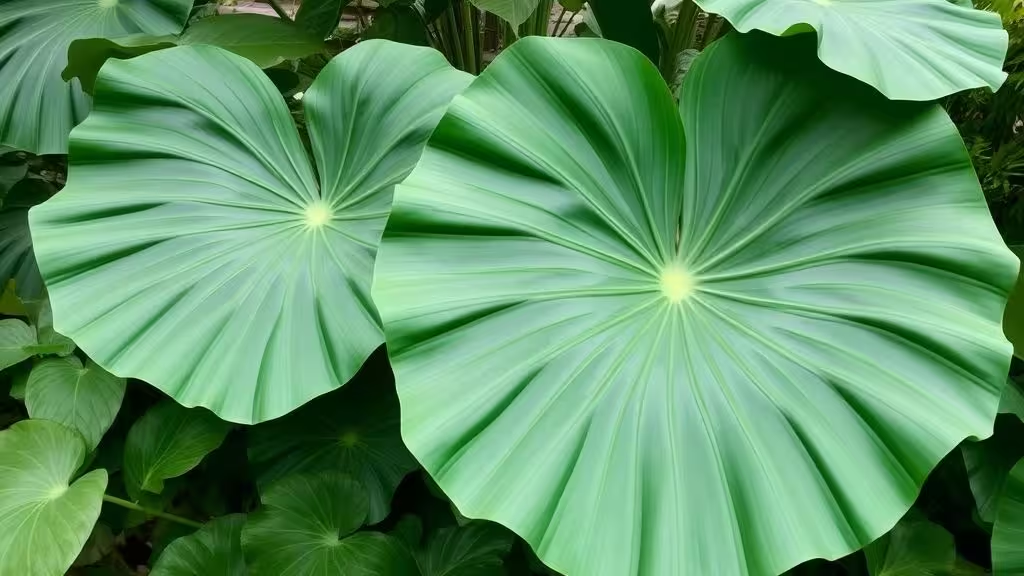
For those who love the look of lush foliage but are concerned about the toxicity of the giant elephant ear plant, there are numerous safe and equally stunning alternatives to consider for your home and garden:
- Spider Plant (Chlorophytum comosum): Easy to care for and produces trailing plantlets.
- Prayer Plant (Maranta leuconeura): Features beautifully patterned leaves that fold up at night.
- Calathea (Various species): Offers a wide variety of striking foliage patterns.
- Peperomia (Various species): A diverse group with various leaf shapes and textures.
- African Violet (Saintpaulia ionantha): Produces colorful flowers and is safe for pets.
- Orchid (Phalaenopsis): Elegant and long-lasting blooms.
- Air Plants (Tillandsia): Unique and require no soil.
- Bamboo Palm (Chamaedorea elegans): A graceful and air-purifying palm.
- Cat Grass (Various grasses): Specifically grown for cats to chew on safely.
Choosing these and other non-toxic plants allows you to enjoy the beauty of indoor greenery without any worry about the dangers associated with the giant elephant ear plant.
Conclusion: Prioritizing Safety Over Dramatic Foliage
The giant elephant ear plant, while undeniably striking in appearance, harbors a significant danger due to its toxicity. The presence of calcium oxalate crystals and potentially saponins poses a real risk to humans and animals upon contact or ingestion. This shocking reality underscores the importance of prioritizing safety over the allure of dramatic foliage, especially in households with children and pets.
By understanding the inherent dangers of giant elephant ear plant toxicity, recognizing the potential symptoms, implementing stringent preventative measures, and knowing how to respond in case of exposure, you can mitigate the risks associated with this plant. Opting for safe and equally beautiful plant alternatives is a responsible choice for those who want to enjoy greenery without compromising the well-being of their loved ones. Ultimately, the safety and health of your family and pets should always be the paramount consideration when choosing plants for your home and garden.