Everything About Plants – Care, Tips & Green Inspiration

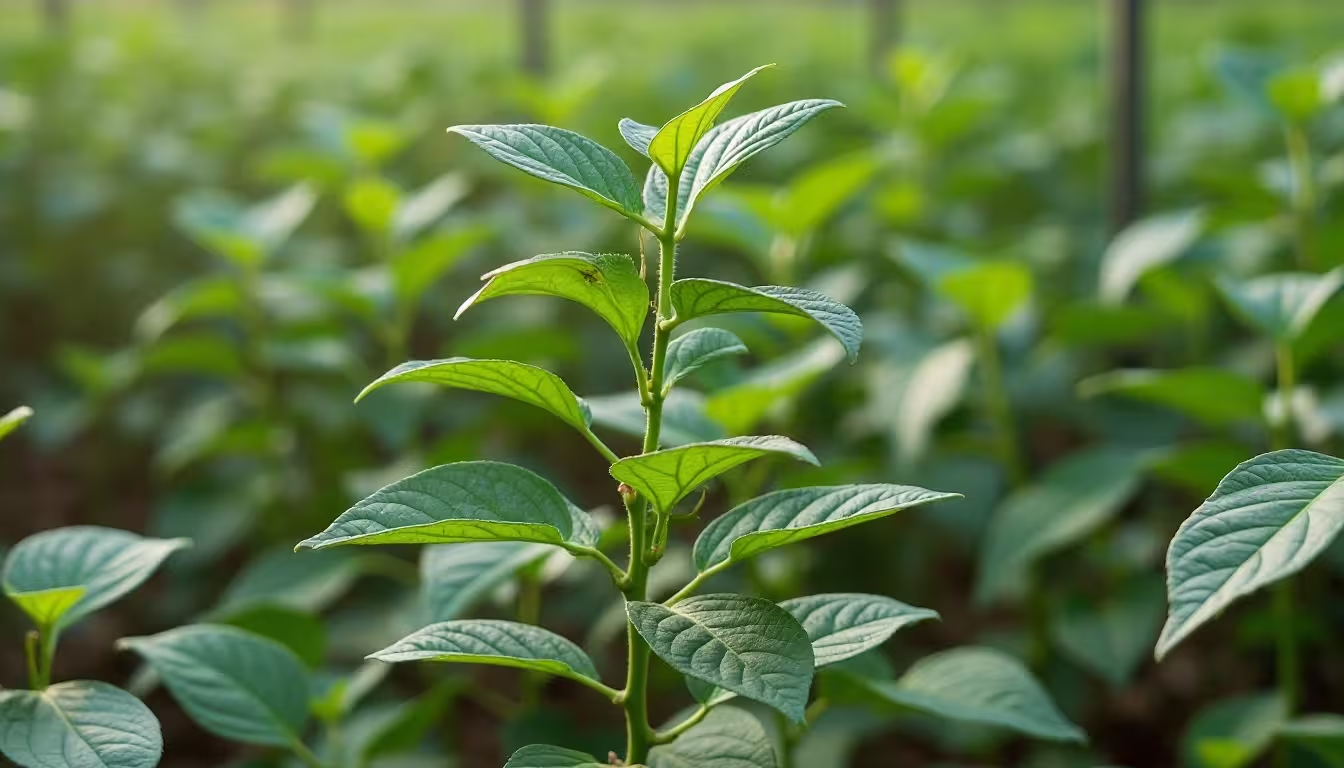
1. Discover the Power of the Black Bean Plant
The black bean plant, scientifically known as Phaseolus vulgaris, is a rewarding addition to any garden, whether you're a seasoned grower or just starting out.
Table of Contents
1. Discover the Power of the Black Bean Plant: Your Ultimate Growing Guide
The black bean plant, scientifically known as Phaseolus vulgaris, is a rewarding addition to any garden, whether you’re a seasoned grower or just starting out. Prized for its flavorful and highly nutritious beans, the black bean plant is relatively easy to cultivate and offers a bountiful harvest for those willing to put in a little effort. This comprehensive guide will delve into the intricacies of growing the black bean plant, covering everything from selecting the right variety and preparing your soil to planting, caring for, and finally harvesting your own delicious black beans.
Before you even consider adding this versatile legume to your garden, understanding its needs and growth habits is paramount. This article aims to provide you with all the essential information to successfully grow the black bean plant and enjoy the fruits (or rather, beans) of your labor. If you’ve ever been curious about the black bean plant and how to cultivate it, you’ve come to the right place. Let’s explore the powerful potential of the black bean plant.
Understanding the Versatility of the Black Bean Plant
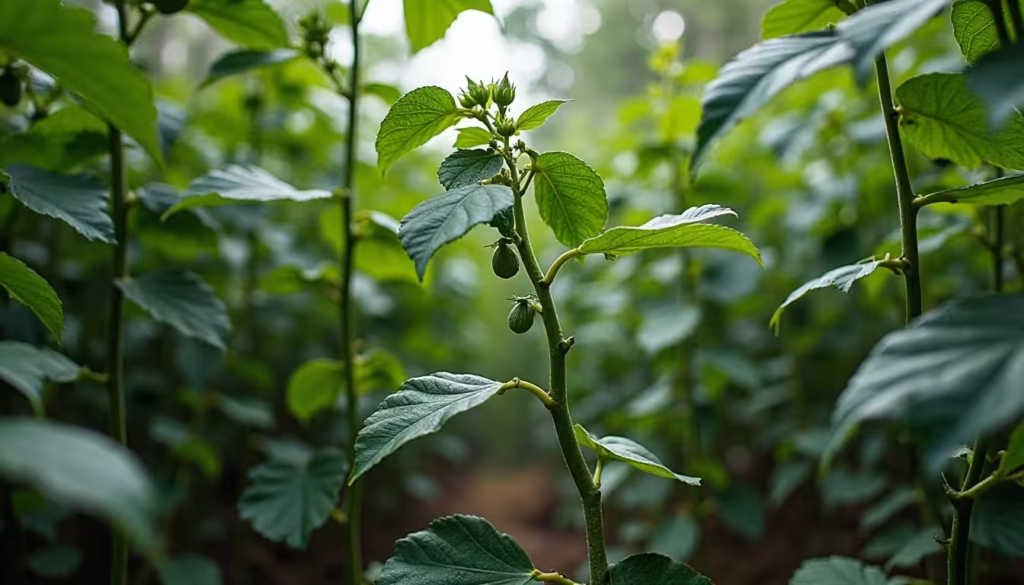
The term “black bean plant” primarily refers to Phaseolus vulgaris, the common black bean, also known as the turtle bean or Tampico bean. However, it’s important to acknowledge that the name “black bean plant” can sometimes cause confusion due to another plant, Castanospermum australe, also being referred to as the black bean tree or Moreton Bay chestnut. While this article will primarily focus on the culinary black bean plant (Phaseolus vulgaris), it’s worth briefly noting the existence of this distinct tree to avoid any ambiguity.
The culinary black bean plant (Phaseolus vulgaris) is a legume, belonging to the Fabaceae family, which also includes other familiar plants like lentils, chickpeas, and peas. This annual plant is cultivated for its edible seeds, which are a staple in cuisines worldwide, particularly in Latin American and Caribbean dishes. The versatility of the black bean plant extends beyond its culinary uses; it’s also a valuable source of plant-based protein, fiber, and various essential nutrients, making it a healthy addition to any diet.
In contrast, the black bean tree (Castanospermum australe) is a large Australian native tree grown for its ornamental value, featuring striking red and yellow flowers and glossy foliage. Its seeds are toxic if not properly processed and are not typically consumed in the same way as common black beans.
For the remainder of this guide, when we refer to the “black bean plant,” we will be focusing on Phaseolus vulgaris, the plant that yields the delicious and nutritious black beans we commonly eat. Understanding this distinction is the first crucial step in successfully cultivating your own black bean plant.
Selecting the Perfect Black Bean Plant Variety for Your Garden
When embarking on your journey to grow the black bean plant, one of the first and most important decisions is selecting the right variety for your specific garden and needs. Just like other vegetables, the black bean plant comes in various cultivars, each with its own unique characteristics, growth habits, and maturity times.
Bush Beans vs. Pole Beans: One of the primary classifications of the black bean plant is whether it’s a bush bean or a pole bean.
- Bush beans are compact and self-supporting, typically growing to a height of around 1-3 feet. They are a great choice for smaller gardens or containers as they don’t require trellising or staking. Bush black bean plant varieties tend to mature earlier and produce a concentrated harvest over a shorter period.
- Pole beans, on the other hand, have a vining growth habit and can climb to significant heights, often requiring trellises, stakes, or other support structures. While they may take a bit longer to mature, pole black bean plant varieties often offer a more extended harvest period.
Popular Black Bean Plant Varieties: Within the bush and pole categories, several popular black bean plant varieties are available:
- ‘Black Turtle’: A classic bush bean variety known for its small, shiny black beans and excellent flavor. It’s a reliable producer and a popular choice for many gardeners.
- ‘Domino’: Another popular bush bean variety that produces high yields of uniform, medium-sized black beans. It’s known for its disease resistance.
- ‘Midnight’: A bush bean variety that produces very dark, almost black beans with a rich, earthy flavor.
- ‘Tampico’: A bush bean variety with a slightly earlier maturity, producing good yields of black beans.
- ‘Kentucky Wonder Black Pole’: A pole bean variety that offers a long harvest season of flavorful black beans.
Factors to Consider When Choosing:
- Available Space: If you have limited space, bush black bean plant varieties are likely a better choice. For larger gardens with trellising options, pole beans can be a productive option.
- Maturity Time: Consider your local growing season and choose a variety that will mature in time before the first frost. Maturity times can range from around 80 to 150 days, depending on the variety.
- Yield: Some varieties are known for higher yields than others. Research the specific characteristics of each cultivar if maximizing your harvest is a priority.
- Disease Resistance: If you’ve had issues with bean diseases in the past, look for black bean plant varieties that are known to be resistant to common ailments.
- Flavor Preference: While most black beans have a similar earthy flavor, subtle differences can exist between varieties. Reading descriptions can help you choose one that aligns with your taste.
By carefully considering these factors, you can select the perfect black bean plant variety that will thrive in your garden and provide you with a satisfying harvest.
Preparing Your Soil for a Thriving Black Bean Plant
Once you’ve chosen the ideal black bean plant variety, the next crucial step is preparing your soil to provide the optimal growing environment. A healthy and well-prepared soil is essential for the black bean plant to develop strong roots, access necessary nutrients, and produce a bountiful crop of beans.
Ideal Soil Conditions: The black bean plant thrives in well-drained soil that is rich in organic matter. While they are not overly demanding, providing the right soil conditions will significantly impact their growth and productivity.
- Drainage: Excellent drainage is critical for the black bean plant. Waterlogged soil can lead to root rot and other fungal diseases. If your soil tends to retain water, consider amending it with organic matter like compost or well-rotted manure to improve drainage. Raised beds can also be a beneficial solution in areas with poor drainage.
- Soil pH: The black bean plant prefers a slightly acidic to neutral soil pH, ideally between 6.0 and 6.5. You can test your soil pH using a home testing kit or by sending a sample to your local agricultural extension office. If your soil pH is too high or too low, you can amend it with sulfur (to lower pH) or lime (to raise pH) according to the test results and recommendations.
- Nutrient Content: While the black bean plant, as a legume, can fix nitrogen from the atmosphere, it still benefits from a soil that is rich in other essential nutrients. Incorporating compost or well-rotted manure into the soil before planting will provide a slow-release source of nutrients and improve soil structure. Avoid excessive nitrogen fertilization, as this can encourage excessive foliage growth at the expense of bean production.
Steps for Soil Preparation:
- Clear the Area: Remove any weeds, rocks, or debris from the planting area.
- Loosen the Soil: Use a garden fork or tiller to loosen the soil to a depth of at least 6-8 inches. This will improve aeration and allow the roots to penetrate easily.
- Amend the Soil: Incorporate a generous amount of compost or well-rotted manure into the loosened soil. Aim for a layer of 2-4 inches worked into the topsoil.
- Level the Surface: Rake the soil surface smooth to create an even planting bed.
- Water Lightly: Water the prepared soil lightly to settle it before planting.
By taking the time to properly prepare your soil, you’ll provide your black bean plant with a strong foundation for healthy growth and a productive harvest.
The Art of Planting Your Black Bean Plant for Success
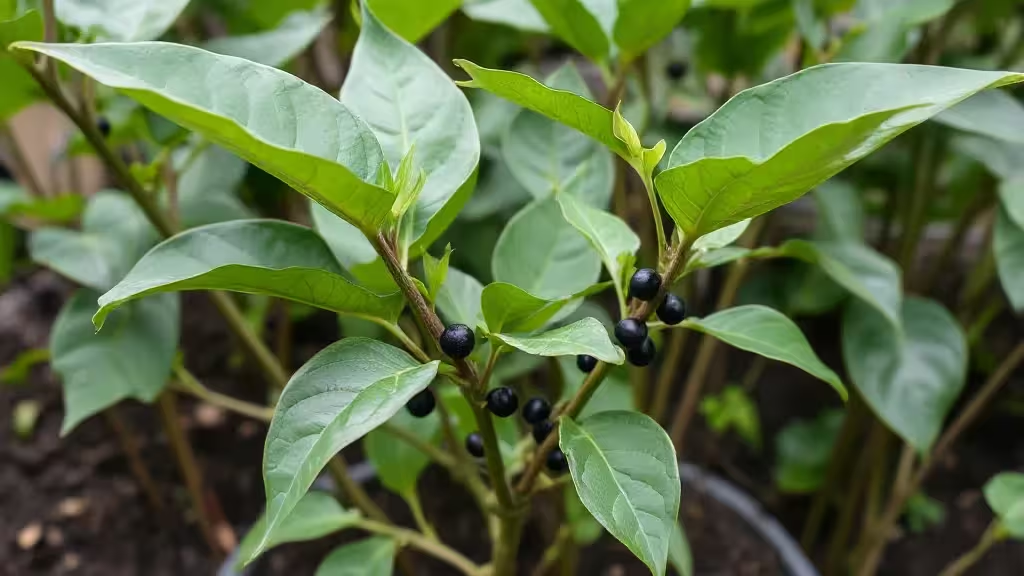
With your chosen black bean plant variety and well-prepared soil, you’re now ready for the exciting step of planting. Proper planting techniques are crucial for ensuring good germination rates and establishing healthy seedlings.
Timing is Key: The black bean plant is a warm-season crop and is sensitive to frost. Therefore, the timing of planting is critical.
- Wait for Warmth: Plant your black bean plant seeds after the last expected frost in your area and when the soil temperature has warmed to at least 60-70°F (15-21°C). Planting in cold soil can lead to poor germination and seedling death.
- Check Local Guidelines: Consult your local planting calendar or agricultural extension office for the most accurate planting times for your specific region.
Planting Methods:
- Direct Sowing: The most common method for planting the black bean plant is direct sowing of seeds into the prepared garden bed.
- Spacing: Sow seeds according to the recommendations for your chosen variety. Generally, bush beans are planted about 2-4 inches apart within rows, with rows spaced 18-24 inches apart. Pole beans are typically planted 4-6 inches apart at the base of their support structures (trellises or stakes).
- Depth: Plant the seeds about 1-2 inches deep.
- Cover Gently: Cover the seeds with loose soil and gently pat down the surface.
- Water Thoroughly: Water the planted area thoroughly but gently to moisten the soil without disturbing the seeds.
- Starting Indoors (Less Common): While direct sowing is preferred, you can start black bean plant seeds indoors about 2-3 weeks before the last frost in biodegradable pots (like peat pots) to minimize root disturbance during transplanting. However, beans generally germinate quickly and transplanting can sometimes stress the seedlings, so direct sowing is often the more straightforward approach. If starting indoors, harden off the seedlings gradually before transplanting them outdoors after the danger of frost has passed and the soil has warmed.
Providing Support for Pole Beans: If you are growing pole black bean plant varieties, it’s essential to provide them with adequate support from the time of planting. Install trellises, stakes, or bean towers near the planting holes before or shortly after the seedlings emerge. This will give the vines something to climb on as they grow.
By following these planting guidelines, you’ll give your black bean plant the best possible start for a successful growing season.
Nurturing Your Black Bean Plant: Essential Care Tips
Once your black bean plant seedlings have emerged, providing consistent and appropriate care is crucial for their continued healthy growth and bean production. This includes watering, weeding, and potentially providing support and protection from pests and diseases.
Watering: The black bean plant needs consistent moisture, especially during flowering and pod development.
- Regular Watering: Water deeply and regularly, especially during dry periods. Aim to keep the soil consistently moist but not waterlogged.
- Water at the Base: Water at the base of the plants to avoid wetting the foliage, which can increase the risk of fungal diseases.
- Mulching: Applying a layer of organic mulch around your black bean plant can help retain soil moisture, suppress weeds, and regulate soil temperature.
Weeding: Competition from weeds can significantly hinder the growth of your black bean plant.
- Regular Removal: Weed regularly, especially when the seedlings are young.
- Shallow Cultivation: When weeding, cultivate shallowly to avoid damaging the shallow roots of the black bean plant.
- Mulch for Weed Suppression: As mentioned earlier, mulch can also help suppress weed growth.
Supporting Pole Beans (Continued): Ensure that pole black bean plant vines have adequate support and gently guide them to climb the trellises or stakes as they grow.
Pest and Disease Management: While the black bean plant is generally relatively pest and disease-resistant, some issues can arise.
- Common Pests: Be on the lookout for common bean pests like aphids, bean beetles, and spider mites. Monitor your plants regularly and take appropriate action if infestations occur, such as using insecticidal soap or neem oil.
- Common Diseases: Potential diseases include fungal issues like powdery mildew and bean rust, especially in humid conditions. Ensure good air circulation by spacing plants adequately and avoid overhead watering. If diseases appear, consider using organic fungicides.
- Prevention is Key: Maintaining healthy soil, providing adequate watering, and ensuring good air circulation are the best preventative measures against pests and diseases.
Fertilizing (Generally Not Needed): As legumes, black bean plant can fix their own nitrogen. Therefore, excessive nitrogen fertilization is generally not necessary and can even be detrimental. However, if your soil is particularly poor, a light application of a balanced, low-nitrogen fertilizer before planting may be beneficial. Focus on providing phosphorus and potassium, which support flowering and pod development.
By diligently caring for your black bean plant, you’ll create an environment where it can thrive and produce a generous harvest of delicious black beans.
The Joy of Harvesting Your Own Black Bean Plant Crop
The culmination of your efforts in growing the black bean plant is the rewarding experience of harvesting your own fresh beans. Knowing when and how to harvest will ensure you get the best flavor and quality from your crop.
Determining Harvest Time: The timing of harvest for the black bean plant depends on whether you intend to use the beans as fresh snap beans (though black beans are not typically used this way) or as dried beans for storage. For dried beans, which is the primary goal when growing the black bean plant, you need to wait until the pods are fully mature and have begun to dry on the plant.
- Signs of Maturity for Dried Beans:
- The pods will turn yellow or brown and become dry and brittle.
- The leaves of the black bean plant will start to yellow and drop off.
- The beans inside the pods will be hard and fully formed.
- You should be able to rattle the dry beans inside the pods.
Harvesting Techniques:
- Wait for Dry Conditions: Ideally, harvest your black bean plant pods on a dry day to prevent mold and mildew.
- Pull the Entire Plant (Optional): For bush bean varieties, you can often pull up the entire plant once most of the pods are dry.
- Pick Individual Pods: For pole beans or if not all pods are drying at the same rate, you can pick the dry pods individually from the vines.
- Shell the Beans: Once you have harvested the dry pods, you’ll need to shell the beans. You can do this by hand, cracking open the pods and removing the beans. For larger harvests, you can spread the dry pods on a tarp and walk on them or gently beat them to release the beans.
- Clean and Sort: Remove any debris, broken beans, or damaged beans from your harvest.
Drying and Storing Your Black Beans: If the beans are not completely dry after shelling, spread them out in a single layer on trays in a well-ventilated area for a few days to ensure they are fully dried before storing. Properly dried black beans can be stored in airtight containers in a cool, dry place for a long time.
Harvesting your own black bean plant crop is a truly satisfying experience, providing you with a nutritious and delicious bounty to enjoy in your cooking.
Troubleshooting Common Black Bean Plant Growing Problems
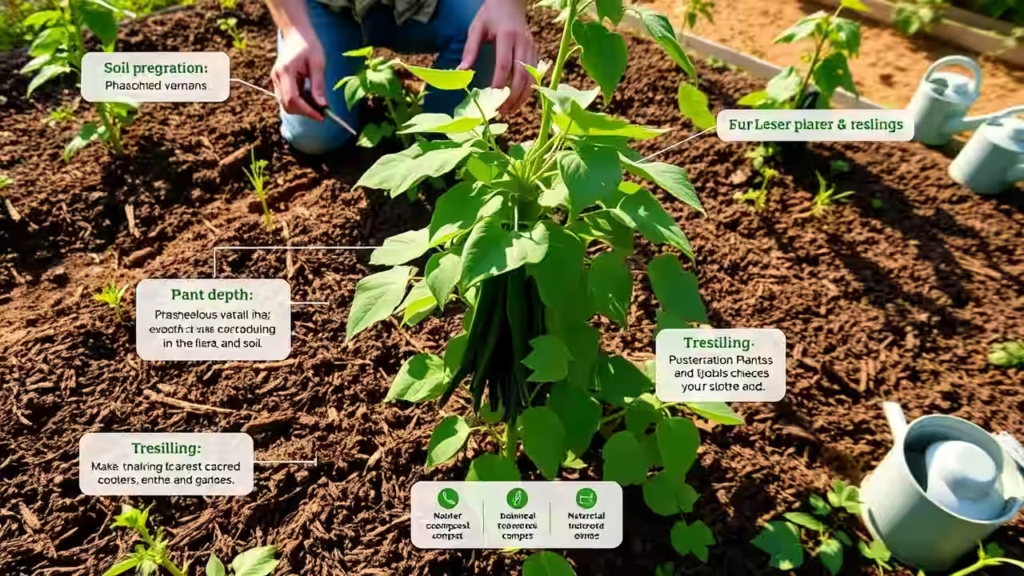
While the black bean plant is generally resilient, like any garden plant, it can encounter certain problems. Being aware of these potential issues and knowing how to address them can help you ensure a successful harvest.
- Poor Germination: If your black bean plant seeds fail to germinate, the reasons could include planting too early in cold soil, using old or non-viable seeds, planting too deeply, or overwatering, which can cause the seeds to rot. Ensure you plant at the right time, use fresh seeds, plant at the correct depth, and maintain consistent but not excessive moisture.
- Yellowing Leaves: Yellowing leaves on your black bean plant can indicate several issues, including nutrient deficiencies (though less common in legumes), overwatering, underwatering, or disease. Check the soil moisture and consider a soil test if you suspect nutrient problems. Ensure proper watering practices and look for signs of fungal diseases.
- Lack of Flowers or Pods: If your black bean plant produces lush foliage but no flowers or pods, it could be due to excessive nitrogen fertilization, which encourages vegetative growth over reproductive growth. Avoid high-nitrogen fertilizers. Insufficient sunlight can also hinder flowering. Ensure your plants receive at least 6-8 hours of direct sunlight daily.
- Pest Infestations: As mentioned earlier, pests like aphids and bean beetles can attack the black bean plant. Monitor your plants regularly and use appropriate organic pest control methods if necessary.
- Fungal Diseases: Powdery mildew and bean rust can occur, especially in humid conditions with poor air circulation. Ensure adequate spacing between plants and avoid overhead watering. Use organic fungicides if needed.
- Animal Damage: Animals like rabbits and deer may nibble on black bean plant seedlings or foliage. Consider using netting or other protective measures if these are a problem in your area.
By being observant and addressing any issues promptly, you can help your black bean plant overcome challenges and continue to thrive.
Embracing the Rewards of Growing Your Own Black Bean Plant
Growing the black bean plant is a rewarding endeavor that connects you to the process of producing your own food. From selecting the perfect variety to nurturing the seedlings and finally harvesting the mature beans, each step offers a unique satisfaction. The nutritional benefits and culinary versatility of homegrown black beans further enhance this experience.
Whether you have a sprawling garden or just a few containers on a balcony, the black bean plant can be a productive and enjoyable addition. By understanding its needs and following the guidelines outlined in this comprehensive guide, you can unlock the power of the black bean plant and savor the delicious