Everything About Plants – Care, Tips & Green Inspiration

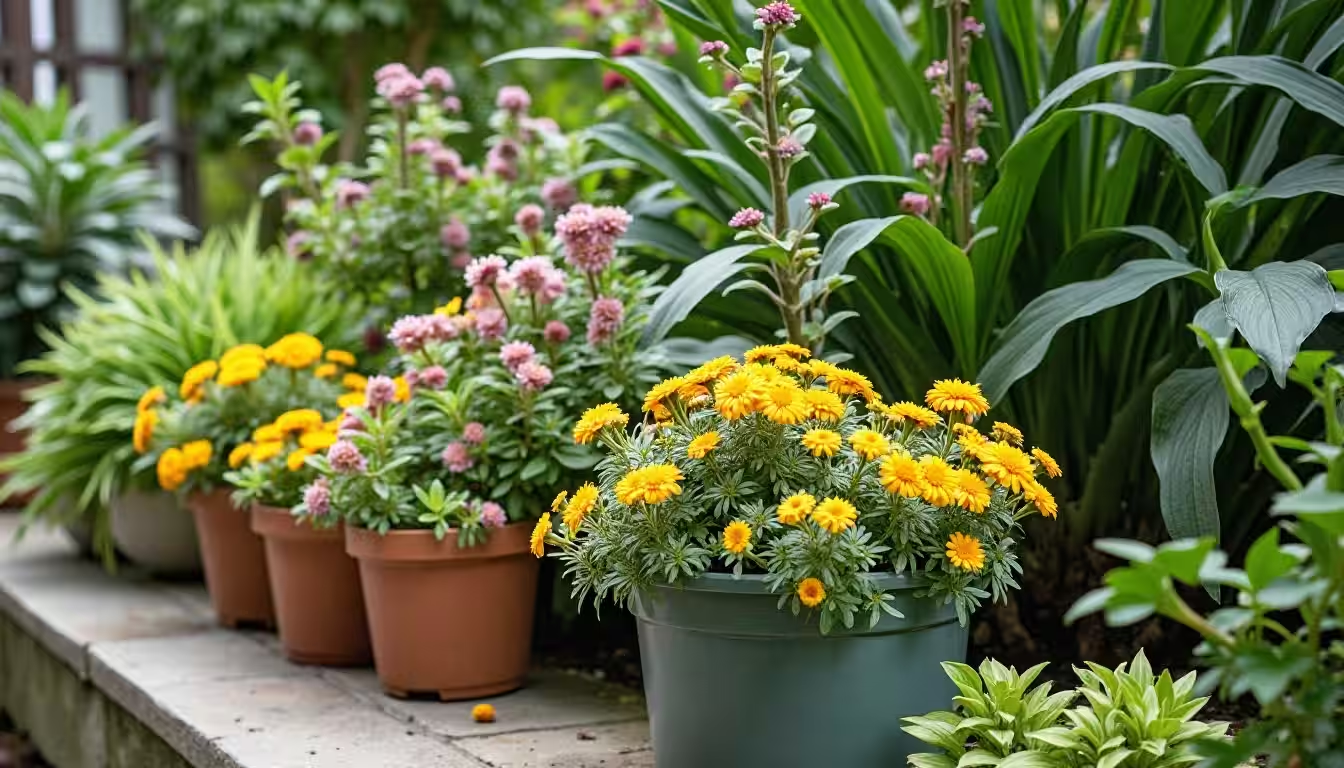
25 Amazing Container Plants to Transform Your Space!
The beauty of container plants lies in their versatility. You can move them around to catch the best light
Table of Contents
25 Amazing Container Plants to Transform Your Space!
So, you’re ready to dive into the wonderful world of container plants, huh? That’s fantastic! Whether you’ve got a sprawling patio, a cozy balcony, or just a sunny windowsill, container plants offer an incredible way to add life, color, and even delicious edibles to your home. I’ve been a huge fan of gardening in pots for years, and let me tell you, it opens up a whole new realm of possibilities, especially for those of us with limited ground space.
The beauty of container plants lies in their versatility. You can move them around to catch the best light, create stunning seasonal displays, or even bring them indoors when the weather turns. Plus, for anyone who finds bending over garden beds a bit much, container plants offer a much more back-friendly alternative. Today, we’re going to explore some truly amazing container plants that are perfect for almost any situation. We’ll talk about what makes them great, where they thrive, and how to keep them looking their best. Let’s get started and make your space shine with some incredible container plants!
Why Choose Container Plants for Your Garden?
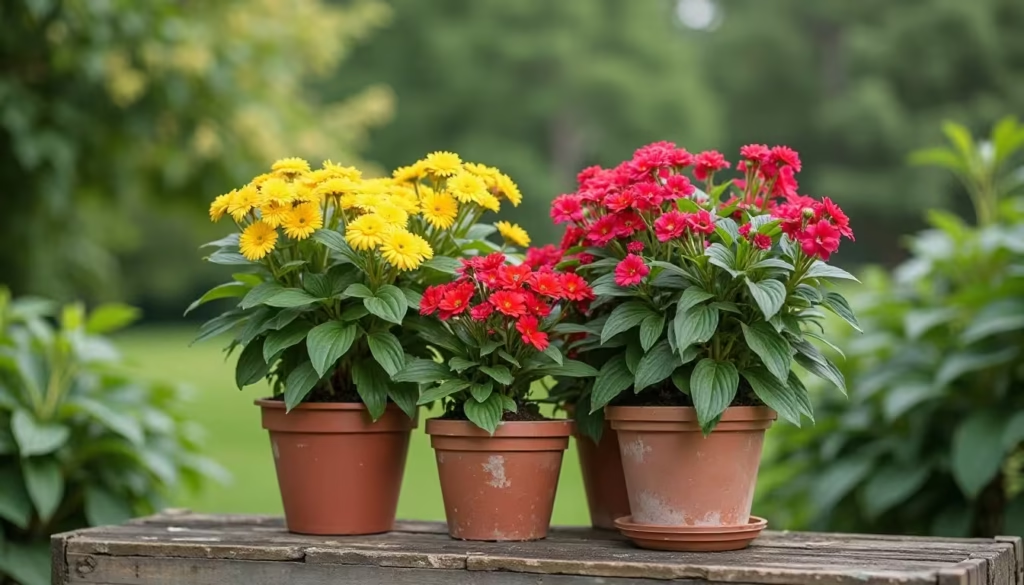
Before we jump into the specific types of container plants, let’s quickly discuss why they’ve become such a popular choice for gardeners everywhere. The benefits are numerous and often surprising!
- Flexibility and Mobility: This is, without a doubt, one of the biggest advantages. You can easily rearrange your display, move sun-lovers into the sun, or bring tender plants indoors when frost threatens. This flexibility means your garden can evolve with your mood, the seasons, and even sudden weather changes. Imagine being able to redecorate your outdoor living space with just a few shifts of a pot!
- Space Saving: For urban dwellers, apartment residents, or anyone with a small yard, container plants are a lifesaver. They allow you to garden vertically, utilize small nooks, and make the most of every square inch. A tiny balcony can become a lush oasis with carefully chosen container plants.
- Pest and Disease Control: When plants are in containers, it’s often easier to isolate and treat individual plants if they get a pest infestation or disease. This can prevent the problem from spreading to your entire garden. Plus, you have more control over the soil environment, reducing soil-borne pathogens.
- Drainage Control: Many plants, especially herbs and succulents, absolutely despise “wet feet.” With container plants, you have complete control over the potting mix, ensuring excellent drainage. This is especially beneficial for regions with heavy clay soils or excessive rainfall.
- Aesthetic Appeal and Design: Container plants are like living sculptures. You can play with different pot materials, colors, and sizes to create stunning visual statements. They’re perfect for defining spaces, highlighting entryways, or adding a pop of color to a bland corner. Think of them as movable art!
- Easier Maintenance: While they often need more frequent watering, other aspects of maintenance, like weeding, are drastically reduced. You can also easily elevate your containers to a comfortable working height, making planting, pruning, and harvesting much more accessible.
- Soil Customization: Different plants have different soil pH and nutrient requirements. In containers, you can create the perfect bespoke soil blend for each plant, ensuring optimal growth conditions.
- Season Extension: For gardeners in colder climates, container plants can extend your growing season. You can start plants earlier indoors and bring them out, or protect tender plants longer into the fall by moving them to a sheltered location.
With all these fantastic benefits, it’s easy to see why container plants are a go-to for so many green thumbs. Now, let’s explore some specific types of container plants that are sure to impress!
Annual Container Plants: The Season’s Stars
Annuals are the unsung heroes of instant gratification in container gardening. They complete their life cycle in one growing season, but oh, what a show they put on! They’re perfect for vibrant, season-long displays. Here are some of our favorite annual container plants:
| Plant Name | Light Needs | Features & Benefits | Ideal Use in Containers |
|---|---|---|---|
| Petunia | Full Sun | Abundant, trumpet-shaped flowers in a huge color range; many self-cleaning varieties. | Hanging baskets, mixed containers (spiller/filler) |
| Impatiens | Partial to Full Shade | Prolific bloomer for shady spots; vibrant colors. | Shady containers, hanging baskets |
| Geranium (Pelargonium) | Full Sun | Classic, long-blooming flowers; upright or trailing habits. | Window boxes, upright containers, mixed displays |
| Calibrachoa (Million Bells) | Full Sun | Mini-petunia-like flowers; excellent trailing habit; thrives in heat. | Hanging baskets, cascading over edges |
| Coleus | Sun to Shade | Stunning foliage in countless color combinations; adds texture and drama. | Mixed containers (filler/thriller), stand-alone |
| Begonia | Sun to Shade | Wide range of types (tuberous, wax); beautiful flowers or striking foliage. | Shady pots, mixed containers |
| Lobelia | Partial Sun | Delicate, profuse blue, purple, or white flowers; excellent for spilling. | Edges of containers, hanging baskets |
| Sweet Potato Vine | Full Sun to Partial Shade | Fast-growing, trailing foliage in vibrant green, purple, or black. | Spiller in mixed containers, dramatic contrast |
| Zinnia | Full Sun | Cheerful, daisy-like flowers; attracts pollinators; good for cutting. | Upright containers, pollinator gardens |
| Dahlia (dwarf varieties) | Full Sun | Bold, vibrant blooms; can be grown from tubers for repeat show. | Focal point in medium to large pots |
Perennial Container Plants: Lasting Beauty
Perennials live for more than two years, meaning you can enjoy their beauty season after season with proper care. They’re a fantastic investment for your container plants collection, offering enduring structure and charm.
| Plant Name | Light Needs | Features & Benefits | Ideal Use in Containers |
|---|---|---|---|
| Hostas | Partial to Full Shade | Prized for diverse foliage (colors, textures, sizes); low maintenance. | Shady containers, woodland themes |
| Sedum (Stonecrop) | Full Sun | Drought-tolerant succulents; various forms, from upright to creeping; late-season blooms. | Sunny containers, rock garden themes |
| Coral Bells (Heuchera) | Sun to Full Shade | Vibrant, colorful foliage; evergreen in many climates; delicate flower spikes. | Mixed containers, adding year-round color |
| Lavender | Full Sun | Fragrant, aromatic herb; purple flower spikes; attracts pollinators. | Sunny herb gardens, cottage style pots |
| Coneflower (Echinacea) | Full Sun | Daisy-like flowers; attracts pollinators; heat and drought-tolerant once established. | Cottage garden themes, pollinator pots |
| Dianthus (Pinks) | Full Sun | Grassy foliage; fragrant, often fringed flowers in pink, white, red. | Edges of containers, sunny spots |
| Astilbe | Partial to Full Shade | Feathery plumes of flowers; fern-like foliage; ideal for moist, shady areas. | Shady spots, adding texture and softness |
| Ornamental Grasses (e.g., Dwarf Fountain Grass) | Full Sun to Partial Sun | Adds texture, movement, and vertical interest; many drought-tolerant. | Thriller in mixed containers, modern look |
| Ferns (e.g., Autumn Fern) | Partial to Full Shade | Delicate, intricate foliage; adds lushness and a woodland feel. | Shady corners, mixed foliage displays |
| Daylily (dwarf varieties) | Full Sun to Partial Sun | Easy to grow, produces many blooms; can be divided as it grows. | Medium to large containers |
Edible Container Plants: Grow Your Own Goodness
Yes, you can absolutely grow a bounty of fruits, vegetables, and herbs in pots! Container plants make gardening for food accessible, even in the smallest spaces.
| Plant Name | Light Needs | Features & Benefits | Ideal Use in Containers |
|---|---|---|---|
| Tomatoes (Bush/Dwarf varieties) | Full Sun | Produce delicious fruit; easy to grow with proper support. | Large pots, grow bags, vertical gardens |
| Bell Peppers | Full Sun | Sweet or hot peppers; compact plants; vibrant colors. | Sunny containers, herb gardens |
| Lettuce & Salad Greens | Partial Sun to Full Sun | Quick growing; can be harvested multiple times; various leaf types. | Shallow wide containers, window boxes |
| Spinach & Kale | Partial Sun to Full Sun | Nutritious greens; tolerant of cooler temperatures; can be harvested repeatedly. | Any size container, especially for continuous harvest |
| Bush Beans | Full Sun | Compact bean plants; produce abundant pods; easy to grow. | Medium containers, supports may be needed |
| Radishes | Full Sun to Partial Sun | Super fast-growing; root vegetables; great for beginners. | Shallow containers, interplanted with other edibles |
| Strawberries | Full Sun | Sweet berries; trailing habit; perfect for hanging baskets. | Hanging baskets, tiered planters |
| Herbs (Basil, Mint, Rosemary, Thyme) | Full Sun (most) | Aromatic and flavorful; easy to grow; fresh supply for cooking. | Herb gardens, small pots, mixed containers |
| Mini Cucumbers | Full Sun | Compact vining or bush varieties; produce small, flavorful cucumbers. | Large pots with a trellis or support |
| Dwarf Citrus Trees | Full Sun (at least 6 hours) | Fragrant blooms, edible fruit; can be moved indoors in winter. | Large decorative pots (requires winter protection) |
Specialty Container Plants for Unique Needs
Some container plants excel in specific conditions, offering solutions for challenging environments or particular aesthetic goals.
Drought-Tolerant Container Plants: The Low-Water Wonders
Perfect for busy gardeners or hot, dry climates, these container plants don’t mind a bit of neglect when it comes to watering.
| Plant Name | Light Needs | Features & Benefits | Ideal Use in Containers |
|---|---|---|---|
| Succulents (e.g., Echeveria, Sedum, Sempervivum) | Full Sun to Partial Sun | Wide variety of forms, colors, textures; store water in leaves. | Small pots, succulent arrangements, rock gardens |
| Lavender | Full Sun | Fragrant, aromatic herb; purple flower spikes; attracts pollinators. | Sunny herb gardens, cottage style pots |
| Portulaca (Moss Rose) | Full Sun | Bright, cheerful, cup-shaped flowers; thrives in heat and drought. | Edges of containers, hot sunny spots |
| Canna Lily | Full Sun | Large, tropical-looking leaves; vibrant flowers; needs consistent moisture but tolerates some dry spells once established. | Large focal point, tropical theme pots |
| Yarrow (Achillea) | Full Sun | Flat-topped flower clusters in various colors; feathery foliage; attracts pollinators. | Sunny, informal containers |
Large Container Plants: Making a Statement
When you need a dramatic focal point or simply want to fill a large space, these container plants rise to the occasion.
| Plant Name | Light Needs | Features & Benefits | Ideal Use in Containers |
|---|---|---|---|
| Hydrangea (compact varieties) | Partial Sun to Full Sun | Large, showy flower clusters; can be moved for winter protection. | Large patio pots, cottage garden themes |
| Dracaena | Sun to Shade (species dependent) | Tall, architectural foliage; adds vertical interest and height. | Thriller in mixed containers, modern look |
| Elephant Ear (Colocasia) | Partial Sun to Full Sun | Giant, heart-shaped leaves; creates a lush, tropical feel. | Dramatic focal point, tropical theme pots |
| Ornamental Trees (e.g., Japanese Maple, Dwarf Conifers) | Varies by species | Provides year-round structure and beauty; excellent for long-term displays. | Large, permanent patio planters |
| Bougainvillea | Full Sun | Vibrant, papery bracts in intense colors; creates a tropical explosion. | Large climbing containers with support |
Designing with Container Plants: The Art of the Pot
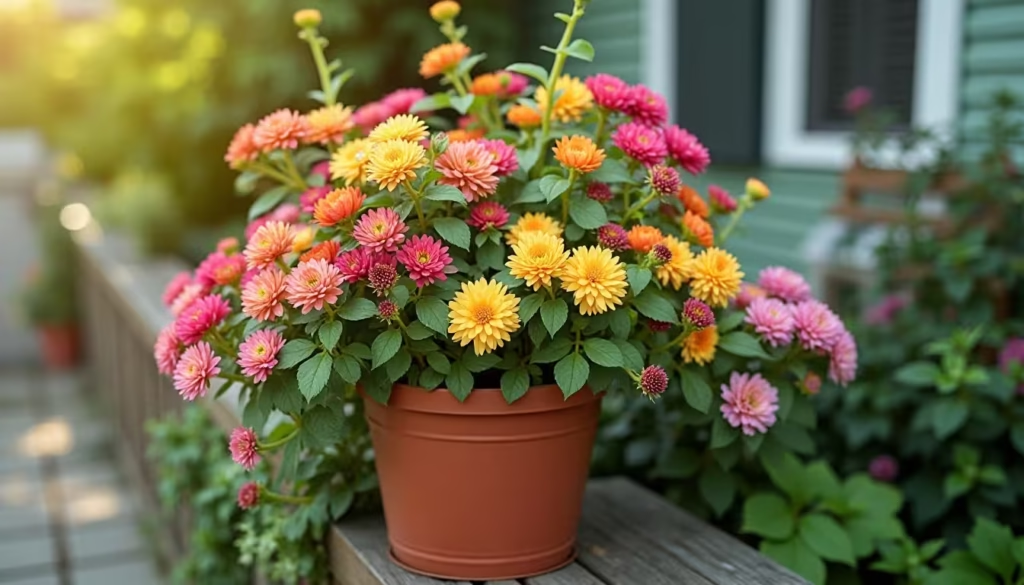
Once you’ve chosen your favorite container plants, it’s time to think about design! A well-designed container can be a true masterpiece.
- The “Thriller, Filler, Spiller” Method: This is a popular and effective way to create balanced and visually appealing containers.
- Thriller: A tall, upright plant that provides a focal point and height (e.g., Dracaena, Ornamental Grass, Tall Verbena).
- Filler: Mounding plants that fill the middle ground, adding bulk and color (e.g., Geraniums, Impatiens, Coleus, Begonias).
- Spiller: Trailing plants that cascade over the edges of the pot, softening the look (e.g., Calibrachoa, Sweet Potato Vine, Lobelia, Nasturtium).
- Color Schemes:
- Monochromatic: Using different shades of one color for a sophisticated look.
- Complementary: Using colors opposite on the color wheel (e.g., purple and yellow) for a high-contrast, energetic feel.
- Analogous: Using colors next to each other on the color wheel (e.g., blue, purple, and pink) for a harmonious, soothing effect.
- Texture Play: Don’t forget texture! Combine plants with fine, feathery foliage (ferns, grasses) with those with bold, broad leaves (Hostas, Elephant Ear) to create visual interest.
- Pot Choice: The container itself is part of the design. Consider the material (terra cotta, ceramic, plastic, metal), color, and size. Ensure the pot complements the plants and your overall aesthetic. Larger pots generally offer more stability for larger plants and retain moisture better.
- Repetition: Use the same types of container plants or pots in different areas to create a cohesive look throughout your garden.
Essential Care for Thriving Container Plants
While container plants offer many benefits, they do have specific needs you’ll need to address to keep them happy and healthy.
- Choosing the Right Container:
- Drainage Holes are Non-Negotiable: This is arguably the most crucial factor. Without proper drainage, roots will rot, and your plants will die. If a pot doesn’t have holes, drill some!
- Size Matters: Choose a pot that’s appropriately sized for your plant at maturity. Too small, and the plant will become root-bound and dry out quickly. Too large, and the soil might stay too wet, leading to root rot. Generally, err on the side of slightly larger if unsure.
- Material:
- Terra Cotta/Clay: Porous, allows soil to breathe, but dries out quickly. Great for succulents.
- Plastic: Lightweight, retains moisture well, affordable. Can look less natural.
- Glazed Ceramic: Heavier, retains moisture well, beautiful finishes. Can be expensive.
- Metal: Can heat up quickly in direct sun, potentially cooking roots.
- Wood: Natural look, provides insulation, but can rot over time.
- The Best Soil for Container Plants:
- Potting Mix is Key: Do not use garden soil. Garden soil is too dense for containers, compacts easily, and doesn’t drain well.
- Well-Draining: A good quality potting mix should be light, airy, and drain freely. Look for mixes containing peat moss, coco coir, perlite, and vermiculite.
- Nutrient-Rich: Many potting mixes come with a slow-release fertilizer mixed in, which can be helpful for initial growth.
- Watering Your Container Plants:
- More Frequent Watering: Container plants generally need more frequent watering than plants in the ground because the soil volume is limited, and they dry out faster due to exposure to air on all sides.
- Check Daily: Especially in hot, sunny, or windy conditions, check your pots daily. Stick your finger about an inch or two into the soil. If it feels dry, it’s time to water.
- Water Thoroughly: Water until you see water draining from the bottom of the pot. This ensures the entire root ball is moistened.
- Avoid Overwatering: While frequent watering is necessary, avoid letting pots sit in standing water. This can lead to root rot. Ensure saucers are emptied.
- Feeding Your Container Plants:
- Nutrient Depletion: Because of frequent watering, nutrients in potting mix can leach out quickly.
- Regular Feeding: Most container plants benefit from regular fertilization. You can use:
- Slow-Release Granular Fertilizer: Mix into the potting soil at planting or apply to the surface.
- Liquid Fertilizer: Dilute and apply with water every 2-4 weeks, depending on the plant’s needs.
- Follow Instructions: Always follow the product instructions carefully to avoid over-fertilizing, which can burn plant roots.
- Pruning and Deadheading:
- Deadheading: Removing spent flowers (deadheading) encourages many flowering container plants to produce more blooms.
- Pinching: Pinching back growth tips can make plants bushier and more compact.
- Pruning: Trim back leggy growth to maintain shape and promote new growth.
- Pest and Disease Management:
- Inspect Regularly: Check your container plants regularly for signs of pests (like aphids, spider mites) or diseases. Early detection is key.
- Isolate Affected Plants: If you find a problem, move the affected plant away from others to prevent spreading.
- Organic Solutions: Often, a strong spray of water or insecticidal soap can manage common pests.
- Winterizing (for Perennials):
- Bring Indoors: For tender perennials or those not hardy in your zone, move them indoors to a cool, bright spot before the first hard frost. Reduce watering during their dormant period.
- Insulate Outdoors: For hardy perennials, you can leave them outdoors but consider insulating the pots to protect roots from freezing and thawing cycles. Bubble wrap, burlap, or grouping pots together can help.
Troubleshooting Common Container Plant Issues
Even with the best intentions, sometimes container plants face challenges. Here are a few common issues and what they might mean:
- Wilting Leaves:
- Likely Cause: Underwatering (soil is bone dry).
- Solution: Water thoroughly until water drains from the bottom.
- Another Cause: Overwatering (roots are suffocating/rotting).
- Solution: Check drainage; allow soil to dry out more between waterings.
- Yellowing Leaves:
- Likely Cause: Overwatering (common), or nutrient deficiency (especially nitrogen).
- Solution: Adjust watering habits; apply a balanced liquid fertilizer.
- Brown, Crispy Leaf Edges:
- Likely Cause: Underwatering, low humidity, or too much direct sun for a shade-loving plant.
- Solution: Increase watering, mist foliage, move to a shadier spot.
- Leggy Growth:
- Likely Cause: Insufficient light or need for pinching/pruning.
- Solution: Move to a brighter location; pinch back growing tips to encourage bushier growth.
- No Flowers (or few flowers):
- Likely Cause: Not enough sun, too much nitrogen fertilizer (encourages foliage, not flowers), or spent blooms not deadheaded.
- Solution: Ensure adequate light; switch to a fertilizer higher in phosphorus; deadhead regularly.
By paying attention to these signs, you can quickly diagnose and address problems, keeping your container plants thriving.
Beyond the Basics: Advanced Container Plant Ideas
Once you’ve mastered the fundamentals, you might want to explore some more advanced concepts with your container plants.
- Self-Watering Containers: These pots have a reservoir at the bottom, wicking water up to the soil as needed. They’re fantastic for busy gardeners, vacationers, or plants that need consistent moisture.
- Vertical Gardening with Containers: Use wall-mounted planters, tiered planters, or stackable pots to maximize growing space, especially on small balconies or against walls.
- Hydroponic Container Systems: For tech-savvy gardeners, small hydroponic systems can be set up in containers to grow edibles without soil, often resulting in faster growth.
- Container Water Gardens: Create miniature pond ecosystems in large watertight containers, complete with aquatic plants and even small fish.
- Container Trees & Shrubs: Many compact tree and shrub varieties can happily live in large containers for many years, adding permanent structure and beauty to your outdoor space. Think dwarf fruit trees, Japanese maples, or compact evergreens.
Conclusion: Your Journey with Container Plants
As you can see, the world of container plants is vast, rewarding, and endlessly creative. From adding a splash of vibrant color to a dull corner, to providing fresh, homegrown vegetables just steps from your kitchen, container plants offer solutions for every gardener, regardless of space or experience.
Remember, the key to success lies in understanding the basic needs of your chosen container plants – light, water, and nutrients – and providing them with suitable homes (pots with good drainage!). Don’t be afraid to experiment with different combinations, textures, and colors. Some of the most stunning container gardens are born from a little daring and a lot of imagination.
So go ahead, pick out some of your favorite container plants, find the perfect pots, and start transforming your outdoor (or even indoor!) space into a living, breathing masterpiece. Happy gardening!