Everything About Plants – Care, Tips & Green Inspiration

7 Essential Dracaena Plant Care Tips for Thriving Indoor Beauty!
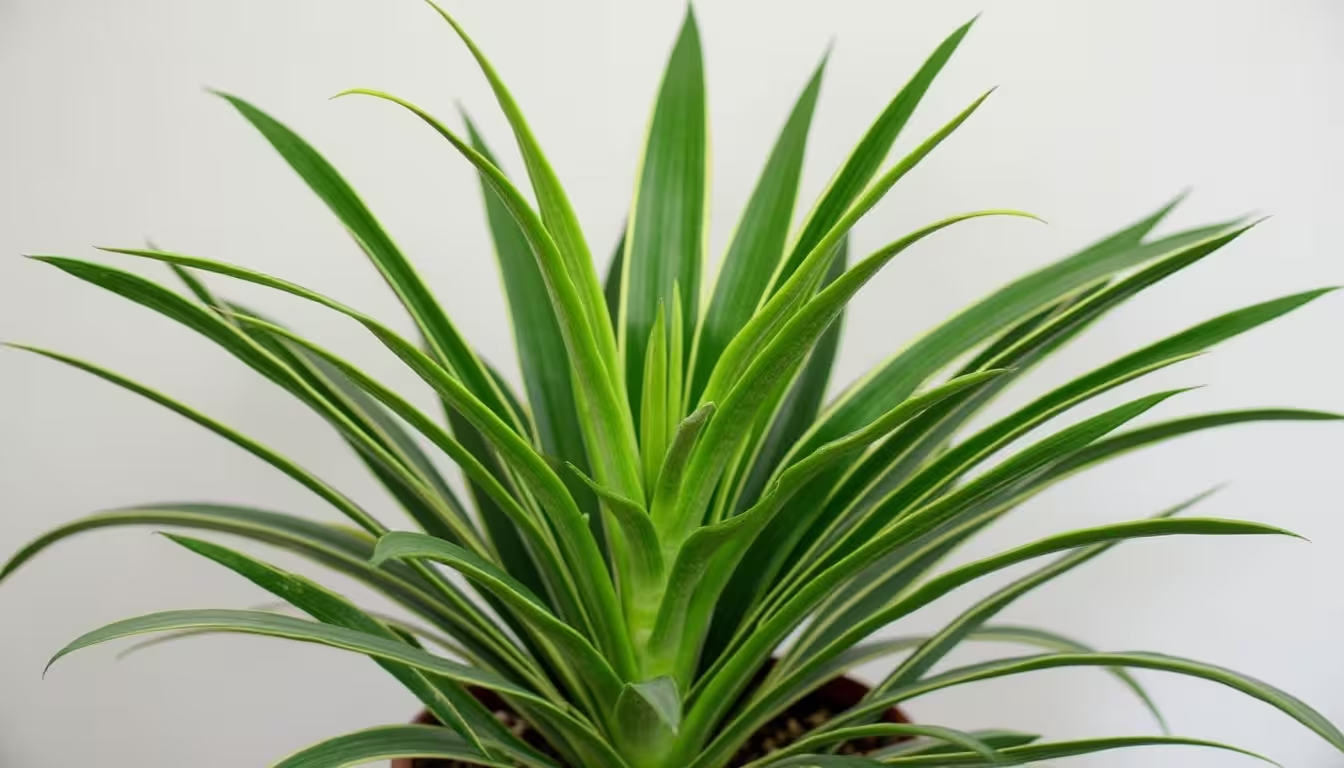
The appeal of Dracaenas isn't just their looks; it's also their reputation for being incredibly forgiving and low-maintenance.
Table of Contents
7 Essential Dracaena Plant Care Tips for Thriving Indoor Beauty!
When it comes to enhancing your indoor space with lush, vibrant foliage, few plants deliver as consistently and gracefully as the Dracaena. If you’ve ever wondered about the secrets to perfect dracaena plant care, you’re in the right place. These popular tropical beauties, often recognized for their striking, sword-like or strap-shaped leaves and sturdy, sometimes cane-like stems, are a fantastic choice for both seasoned plant enthusiasts and eager beginners alike. I’ve had many Dracaenas over the years, and their resilience and visual appeal truly make them stand out.
The appeal of Dracaenas isn’t just their looks; it’s also their reputation for being incredibly forgiving and low-maintenance. This makes them a go-to for adding a touch of exotic flair to any room, even if your green thumb is still developing. Today, we’re going to dive deep into everything you need to know about dracaena plant care, from their ideal environment to troubleshooting common issues. By the end of this guide, you’ll feel confident in providing your Dracaena with everything it needs to flourish, becoming a vibrant focal point in your home. Let’s make your Dracaena happy and healthy!
Understanding Your Dracaena: A Brief Introduction
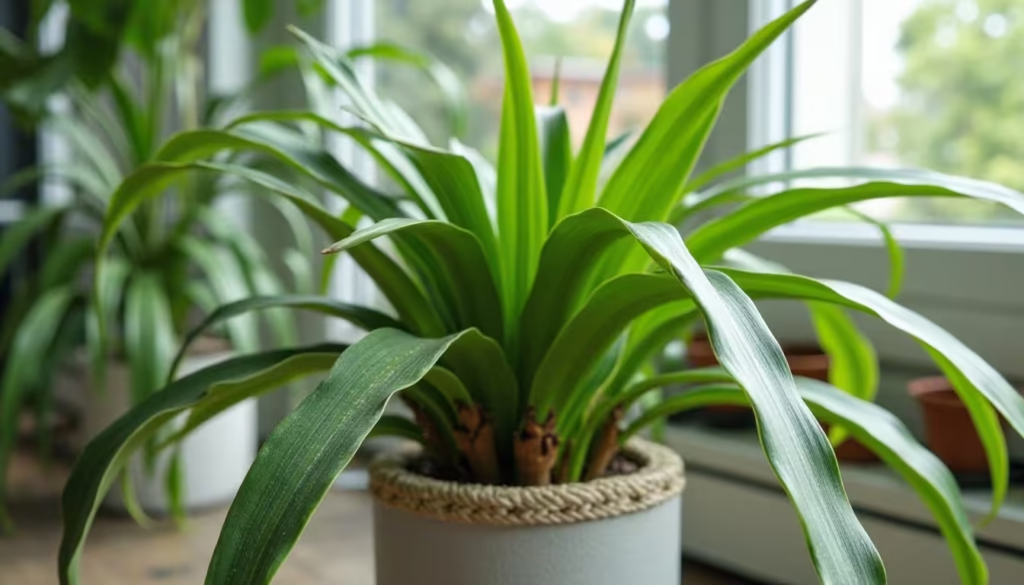
Before we delve into the specifics of dracaena plant care, let’s get acquainted with this fascinating genus. The name “Dracaena” is derived from the ancient Greek word drakaina, meaning “female dragon,” a nod to the red sap (resin) found in some species, reminiscent of dragon’s blood. This genus belongs to the Asparagaceae family and encompasses roughly 120 different species, most of which are native to Africa, though some can also be found in Asia and Central America.
The diversity within the Dracaena family is truly remarkable. While they all share a certain elegance, their appearances can vary widely. You’ll find varieties with tall, slender trunks that resemble miniature trees, others with bushy, cane-like stems, and foliage that ranges from broad and solid green to narrow, arching leaves with vibrant red, yellow, or white stripes. This variety is what makes them so versatile for interior design, offering a Dracaena to suit almost any aesthetic preference. Their relatively slow growth rate also means they generally won’t outgrow their space too quickly, making long-term dracaena plant care a consistent joy.
Why Dracaenas Are Perfect for Your Home
The popularity of Dracaena plants as indoor companions isn’t just a trend; it’s rooted in a number of compelling reasons. Their inherent adaptability makes dracaena plant care a relatively straightforward endeavor, but beyond that, they offer several tangible benefits to your living space.
- Low-Maintenance Nature: This is arguably their biggest selling point. Dracaenas are incredibly forgiving of minor neglect, making them ideal for busy individuals, frequent travelers, or those new to houseplants. They don’t demand constant attention, allowing you to enjoy their beauty without feeling tied to a strict care schedule.
- Air Purification Qualities: Many Dracaena species are excellent natural air purifiers. Studies, including those conducted by NASA, have shown their ability to filter out common indoor air pollutants such as formaldehyde, benzene, trichloroethylene, and xylene. This means your Dracaena isn’t just a pretty face; it’s actively contributing to a healthier indoor environment.
- Aesthetic Versatility: With their wide array of leaf shapes, colors, and growth habits, Dracaenas can seamlessly integrate into various interior design styles, from minimalist modern to lush tropical. They can provide a striking vertical accent, fill empty corners, or add a pop of color to a bland space.
- Adaptability to Light Conditions: While they have preferred light levels, many Dracaena varieties demonstrate a remarkable tolerance for lower light conditions, making them suitable for rooms that don’t receive abundant natural sunlight. This flexibility expands where you can place them in your home.
- Humidity Boosters: Dracaenas naturally release moisture into the air, which can subtly increase the humidity in a room. This is particularly beneficial in dry indoor environments, especially during winter months when heating systems can strip moisture from the air, which can be good for both you and your other plants!
- Longevity: With proper dracaena plant care, these plants can live for many years, becoming long-term fixtures in your home and growing into impressive specimens.
These benefits combine to make dracaena plant care a truly rewarding experience, offering both beauty and tangible improvements to your home environment.
Essential Dracaena Plant Care Requirements: Your Guide to a Happy Plant
Providing the right conditions is fundamental to successful dracaena plant care. While they are forgiving, understanding their core needs will ensure your plant not only survives but thrives. Here’s a detailed breakdown of what your Dracaena craves:
1. Optimal Lighting for Dracaena Plant Care
Light is arguably the most crucial factor in dracaena plant care. Getting this right sets the stage for a healthy, vibrant plant.
- Bright, Indirect Light is Ideal: This is the sweet spot for most Dracaena varieties. Think of a spot near a window that gets plenty of light throughout the day, but where the sun’s rays don’t directly hit the leaves. An east or north-facing window is often perfect, providing gentle morning sun or consistent indirect light.
- Tolerance for Lower Light: Many Dracaenas can tolerate lower light conditions, making them excellent choices for offices or rooms with fewer windows. However, be aware that in dim conditions, their growth will be slower, and variegated (striped or multi-colored) varieties might lose some of their vibrant coloration.
- Avoid Direct Sunlight: This is a firm rule in dracaena plant care. Direct, intense sunlight, especially the hot afternoon sun, can easily scorch their leaves, leaving unsightly brown spots or crispy edges. If you notice this, move your plant immediately to a more shaded location.
2. Watering Wisdom for Dracaena Plant Care
Proper watering is paramount to prevent the most common problem for Dracaenas: root rot. This aspect of dracaena plant care requires a careful balance.
- Allow Soil to Dry Out Between Waterings: This is the golden rule. Water your Dracaena only when the top 1-2 inches of soil feel dry to the touch. For larger pots or during winter, you might even let the top 3-4 inches dry out. Overwatering is a far greater threat than underwatering.
- Water Thoroughly: When you do water, water deeply until you see water draining from the bottom of the pot. This ensures the entire root ball is moistened.
- Reduce Watering in Winter: During the cooler, darker months, Dracaenas enter a period of slower growth, sometimes dormancy. Their water needs significantly decrease, so reduce your watering frequency accordingly.
- Water Quality Matters: This is a unique and critical tip for dracaena plant care. Dracaenas are notoriously sensitive to fluoride and chlorine often found in tap water. These chemicals can accumulate in the soil and lead to brown leaf tips and edges. To prevent this, use filtered water, distilled water, or collected rainwater. If using tap water, let it sit out for 24 hours to allow chlorine to dissipate (though this won’t remove fluoride).
- Avoid Standing Water: Never let your Dracaena sit in a saucer of standing water for extended periods, as this can quickly lead to root rot. Empty saucers promptly after watering.
3. The Right Soil and Drainage for Dracaena Plant Care
The foundation of a healthy Dracaena begins with its soil.
- Well-Draining Potting Mix is Essential: Forget garden soil; it’s too dense and will compact in a pot, leading to poor drainage and suffocated roots. A good quality, loose, and airy potting mix specifically designed for houseplants is crucial.
- Slightly Acidic pH Preferred: Dracaenas generally prefer a slightly acidic soil pH. Most commercial potting mixes are formulated to meet this need.
- Enhance Drainage if Needed: If your potting mix seems heavy, you can improve its drainage by mixing in amendments like perlite, coarse sand, or pumice. A ratio of 1 part perlite to 3-4 parts potting mix works well.
- Organic Matter: A potting mix rich in organic matter (around 50%) is beneficial, providing nutrients and retaining some moisture while still allowing for good drainage.
4. Humidity and Temperature for Dracaena Plant Care
As tropical plants, Dracaenas appreciate conditions reminiscent of their natural habitat.
- Humidity is Appreciated: Dracaenas thrive in moderate to high humidity levels, ideally between 40-60%. In dry indoor environments, especially during winter with heating systems, you might notice brown leaf tips even with proper watering.
- Increasing Humidity:
- Misting: Lightly mist the leaves regularly (daily or every other day), especially during dry periods.
- Pebble Tray: Place the pot on a tray filled with pebbles and a little water. Ensure the bottom of the pot does not sit directly in the water. As the water evaporates, it creates a localized humid microclimate around the plant.
- Humidifier: For multiple plants or very dry homes, a room humidifier is an effective solution.
- Group Plants: Grouping several plants together can also slightly increase local humidity through transpiration.
- Ideal Temperature Range: Dracaenas are comfortable in average room temperatures, typically between 60-80°F (15-27°C). Many varieties prefer the warmer end of this spectrum, around 70-80°F.
- Avoid Cold Drafts and Fluctuations: Keep your Dracaena away from drafty windows, air conditioning vents, or heating registers. Sudden drops or spikes in temperature can stress the plant and cause leaf damage or drop.
5. Fertilizing for Dracaena Plant Care
While not heavy feeders, Dracaenas benefit from occasional nourishment, especially during their active growing season.
- Fertilize During Growing Season: Feed your Dracaena about once a month or every 2-4 months during spring and summer (their active growing period).
- Use a Balanced, Diluted Fertilizer: An all-purpose liquid houseplant fertilizer with a balanced NPK ratio (e.g., 5-5-5 or 10-10-10) is suitable. Always dilute it to half strength (or even quarter strength) to avoid over-fertilizing, which can lead to chemical burn and yellowing or browning leaf tips.
- Reduce or Stop in Winter: As growth slows down in fall and winter, reduce or cease fertilization entirely. The plant won’t be actively using the nutrients, and they can build up in the soil.
- Signs of Nutrient Deficiency: If your Dracaena’s growth slows dramatically, or older leaves turn uniformly yellow, it might be signaling a need for nutrients.
6. Pruning and Repotting: Maintaining Dracaena Plant Care
These practices are essential for your Dracaena’s long-term health and aesthetic appeal.
- Pruning:
- Remove Dead or Damaged Leaves: Regularly snip off any yellow, brown, or otherwise unhealthy leaves. This redirects the plant’s energy to healthy growth and keeps it looking tidy.
- Control Height and Shape: If your Dracaena gets too tall or leggy, you can prune the top off. Make a clean cut with sanitized pruners just below a leaf node (the point where a leaf emerges). This will encourage new growth to branch out from below the cut, leading to a bushier plant.
- Rejuvenation: For very old or leggy plants, you can cut the main stem back severely. New shoots will typically emerge from the cut stem, giving your plant a fresh start.
- Repotting:
- Frequency: Dracaenas are slow-growing and don’t need frequent repotting. Generally, repot every 2-3 years, or when you notice signs of the plant being root-bound (roots circling the bottom of the pot, water running straight through without absorbing).
- Choosing a New Pot: Select a pot that is only one size larger (e.g., from a 6-inch to an 8-inch pot) than the current one. Too large a pot can hold excessive moisture, leading to root rot. Ensure it has drainage holes!
- Repotting Process: Gently remove the plant from its old pot. Loosen any circling roots at the bottom. Remove any dead or rotting roots. Place a layer of fresh, well-draining potting mix at the bottom of the new pot, center the plant, and fill in around the root ball, gently firming the soil. Water thoroughly after repotting.
7. Propagating Your Dracaena Plants: Expanding Your Green Family
One of the most rewarding aspects of dracaena plant care is being able to propagate new plants from your existing ones.
- Stem Cuttings are Easiest: This is the most common and successful method.
- Select a Healthy Stem: Choose a healthy stem about 4-6 inches long.
- Make a Clean Cut: Using clean, sharp pruners, cut the stem just below a leaf node.
- Remove Lower Leaves: Strip off any leaves from the bottom 1-2 inches of the cutting.
- Water Propagation: Place the cutting in a clear glass or jar of filtered or distilled water. Ensure at least one node is submerged. Place in bright, indirect light and change the water every few days to prevent rot. Roots should appear within a few weeks. Once roots are a few inches long, you can plant it in soil.
- Soil Propagation: Dip the cut end in rooting hormone (optional, but helpful). Plant the cutting directly into a small pot filled with moist, well-draining potting mix. Keep the soil consistently moist and place in bright, indirect light. You can cover the pot with a plastic bag to create a mini-greenhouse effect and increase humidity.
Common Dracaena Plant Care Issues and Troubleshooting
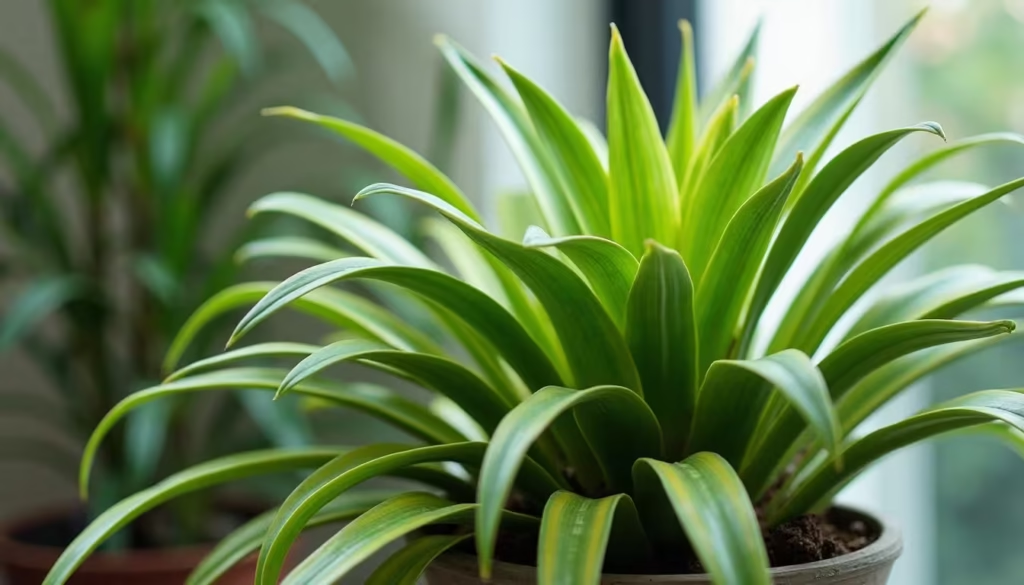
Even with diligent dracaena plant care, you might encounter a few common hiccups. Don’t worry, most issues are easily fixable!
| Symptom | Probable Cause(s) | Solution |
|---|---|---|
| Brown Leaf Tips/Edges (crispy) | Low humidity, fluoride/chlorine in water, underwatering, salt buildup from fertilizer. | Increase humidity (mist, pebble tray), use filtered/distilled water, adjust watering frequency, flush soil to remove salt buildup. |
| Yellowing Leaves (especially lower ones) | Overwatering (most common), nutrient deficiency, natural aging. | Reduce watering frequency, ensure good drainage. If top leaves are yellow, consider a diluted feed. If only old lower leaves, it’s usually natural shedding. |
| Drooping Leaves | Underwatering (most common), severe overwatering/root rot. | Check soil moisture. If dry, water thoroughly. If soggy, check drainage and allow soil to dry out more. |
| Brown Spots on Leaves (splotches) | Direct sun scorch, fungal leaf spot (less common indoors). | Move to indirect light. For fungal spots, remove affected leaves and ensure good air circulation. |
| Leggy Growth (sparse leaves, stretched stem) | Insufficient light. | Move to a brighter location. Prune back leggy stems to encourage bushier growth. |
| No New Growth/Stunted Growth | Insufficient light, lack of nutrients, root-bound, too cold. | Move to brighter light, fertilize during growing season, repot if root-bound, ensure warm temperatures. |
| Pests (spider mites, mealybugs, scale) | Dry conditions, new infected plants. | Isolate plant. Wipe leaves with damp cloth/insecticidal soap. Use neem oil or targeted organic pest control. Increase humidity to deter spider mites. |
Popular Dracaena Varieties for Your Home
The Dracaena genus offers a fantastic array of choices, each with its own unique charm. When considering dracaena plant care, it’s helpful to know which common varieties you might encounter:
| Dracaena Variety | Common Name(s) | Key Characteristics Dracaena plants are a popular choice for enhancing homes and offices, largely due to their attractive appearance and relatively low maintenance needs. Their elegant, often strappy leaves can add a touch of tropical lushness to almost any interior. To ensure these beautiful plants thrive and remain healthy, providing the right conditions is key. Mastering dracaena plant care involves understanding their preferences for light, water, humidity, and soil, as well as knowing how to troubleshoot common issues.
The Allure of Dracaena: Why They’re a Household Favorite
The journey of dracaena plant care begins with appreciating why these plants are so beloved by indoor gardeners. Their wide appeal stems from a combination of aesthetic beauty and practical benefits:
- Striking Appearance: Dracaenas come in a remarkable array of forms, from tall, slender trees (like Dracaena marginata) to bushy, cane-like plants (Dracaena fragrans varieties) and even compact, rosette-forming types. Their foliage colors vary from deep greens to vibrant yellows, reds, and whites, often in captivating stripes or patterns. This diversity allows them to fit seamlessly into various interior design styles, adding a natural focal point or a subtle accent.
- Ease of Care: For those new to houseplants or with busy schedules, Dracaenas are a blessing. They are notably forgiving of occasional neglect and less finicky than many other tropical plants. This resilience makes dracaena plant care an accessible and less daunting task.
- Air Purifying Qualities: Beyond their beauty, many Dracaena species are recognized for their ability to improve indoor air quality. They are efficient at removing common household toxins such as formaldehyde, benzene, trichloroethylene, and xylene from the air, contributing to a healthier living environment.
- Adaptability: While they have preferred conditions, Dracaenas are quite adaptable. They can tolerate a range of light levels, making them suitable for various spots in a home or office. Their ability to handle less-than-ideal conditions adds to their widespread popularity.
- Humidity Contribution: Like many plants, Dracaenas release moisture into the air through transpiration, which can subtly increase the humidity levels in a room. This is particularly beneficial in dry indoor environments, especially during winter months when heating systems can deplete air moisture.
- Longevity: With proper dracaena plant care, these plants can live for many years, growing into impressive, mature specimens that become cherished parts of your home’s decor.
Essential Dracaena Plant Care: Nurturing Your Tropical Beauty
Achieving successful dracaena plant care boils down to understanding and consistently providing for their fundamental needs. Here’s a comprehensive guide to ensure your Dracaena thrives:
1. Mastering Light for Dracaena Plant Care
Light is a cornerstone of effective dracaena plant care, directly influencing growth, vibrancy, and overall health.
- Bright, Indirect Light is Prime: This is the ideal light condition for the vast majority of Dracaena species. A spot near a window that receives ample ambient light throughout the day, but without direct sun exposure, is perfect. Think of an east or north-facing window, where the light is gentler and more consistent.
- Direct Sun is a No-Go: This is a crucial warning for dracaena plant care. Harsh, direct sunlight, particularly the intense afternoon sun, will almost certainly scorch the leaves, leading to unsightly brown spots, crispy edges, or overall fading of foliage color. If you observe these symptoms, move your plant immediately to a more sheltered location.
- Tolerance for Lower Light: While bright, indirect light is preferred, many Dracaena varieties exhibit a remarkable tolerance for lower light conditions. This makes them versatile for placement in offices, hallways, or rooms that don’t receive abundant natural light. However, be mindful that growth will be slower, and variegated forms (those with multiple colors in their leaves) might lose some of their distinctive patterns and revert to more uniform green.
2. The Art of Watering in Dracaena Plant Care
Proper watering is arguably the most critical aspect of dracaena plant care and the area where most common problems arise, primarily due to overwatering.
- The Golden Rule: Let the Soil Dry Out: This cannot be stressed enough. Only water your Dracaena when the top 1-2 inches of soil feel dry to the touch. For larger pots or during the dormant winter months, you might even allow the top 3-4 inches to dry out. It’s far better to err on the side of slight dryness than constant sogginess, which quickly leads to root rot.
- Water Thoroughly When You Do: When it’s time to water, apply water generously until you see it draining freely from the bottom of the pot. This ensures the entire root ball is saturated, encouraging deep root development.
- Seasonal Adjustment: During the active growing season (spring and summer), your Dracaena will require more frequent watering. As growth naturally slows in fall and winter, significantly reduce your watering frequency.
- Water Quality is Key: A unique and vital consideration in dracaena plant care is their sensitivity to chemicals commonly found in tap water, particularly fluoride and chlorine. These can accumulate in the soil over time and manifest as unsightly brown tips and edges on the leaves. To avoid this, consider using filtered water, distilled water, or collected rainwater. If using tap water, letting it sit out for 24 hours can help dissipate chlorine, though it won’t remove fluoride.
- Ensure No Standing Water: Never allow your Dracaena’s pot to sit in standing water in a saucer for extended periods. This suffocates the roots and promotes root rot. Always empty excess water promptly.
3. Soil and Drainage: The Foundation of Dracaena Plant Care
The potting medium you choose forms the crucial foundation for successful dracaena plant care.
- Well-Draining Potting Mix is Non-Negotiable: Forget about using garden soil; it’s too dense for containers, compacts easily, and lacks the necessary aeration for Dracaena roots. Invest in a high-quality, lightweight, and airy potting mix specifically formulated for houseplants.
- Slightly Acidic Preference: Dracaenas generally prefer a slightly acidic soil pH. Most reputable commercial potting mixes are designed to meet this requirement.
- Enhance Drainage if Necessary: If your chosen potting mix feels a bit heavy or retains too much moisture, you can easily improve its drainage. Incorporate amendments such as perlite, coarse sand, or pumice. A common ratio is 1 part perlite to 3-4 parts potting mix.
- Organic Matter: A potting mix that contains a good amount of organic matter (around 50% is often recommended) will provide essential nutrients while maintaining good aeration and drainage.
4. Humidity and Temperature: Replicating a Tropical Home
Given their tropical origins, providing adequate humidity and consistent temperatures are vital aspects of dracaena plant care.
- Humidity Appreciation: Dracaenas thrive in moderate to high humidity levels, with an ideal range of 40% to 60%. In typical dry indoor environments, especially during winter when heating systems are active, low humidity is a common cause of brown leaf tips.
- Methods to Boost Humidity:
- Misting: Lightly mist the leaves regularly (daily or every other day), particularly when the air is dry.
- Pebble Tray: Place the plant’s pot on a tray filled with pebbles and a shallow layer of water. Ensure the bottom of the pot is elevated above the water level. As the water evaporates, it creates a localized humid microclimate around the plant.
- Humidifier: For multiple plants or if your home consistently has very low humidity, a room humidifier is the most effective solution.
- Grouping Plants: Arranging several plants close together can also slightly increase the local humidity through their collective transpiration.
- Ideal Temperature Range: Dracaenas are comfortable in average indoor temperatures, generally thriving between 60-80°F (15-27°C). Many species, like Dracaena marginata, prefer the warmer end of this spectrum, around 70-80°F.
- Avoid Temperature Extremes: Protect your Dracaena from cold drafts (e.g., near leaky windows or exterior doors) and sudden, extreme temperature fluctuations (e.g., direct blasts from air conditioning or heating vents). These can stress the plant and lead to leaf yellowing, browning, or drop.
5. Fertilizing: Nourishing Your Dracaena Plant Care
While Dracaenas are not heavy feeders, providing supplemental nutrients during their active growth phase is an important component of dracaena plant care.
- Fertilize During Growing Season: Apply fertilizer approximately once a month or every 2-4 months during spring and summer, which constitute their active growing period.
- Use a Balanced, Diluted Fertilizer: Opt for an all-purpose liquid houseplant fertilizer. A balanced NPK ratio (Nitrogen, Phosphorus, Potassium), such as 5-5-5 or 10-10-10, is suitable. Critically, always dilute the fertilizer to half strength (or even quarter strength) to prevent over-fertilization, which can cause chemical burns to the roots and manifest as yellowing or browning leaf tips.
- Reduce or Halt in Winter: As daylight hours shorten and temperatures cool in fall and winter, Dracaenas’ growth slows significantly. During this semi-dormant period, reduce or completely stop fertilization. The plant will not be actively utilizing the nutrients, and their buildup in the soil can be detrimental.
- Signs of Deficiency: If you notice significantly stunted growth, overall pale foliage, or uniform yellowing of older leaves, it might indicate a nutrient deficiency, signaling that your plant could benefit from a light feeding.
6. Pruning and Repotting: Essential Maintenance for Dracaena Plant Care
These regular maintenance tasks are crucial for keeping your Dracaena healthy, shapely, and thriving for years to come.
- Pruning:
- Remove Unhealthy Foliage: Regularly inspect your plant and snip off any leaves that are yellowing, browning, dead, or damaged. Use clean, sharp scissors or pruning shears. This directs the plant’s energy towards healthy growth and maintains a tidy appearance.
- Managing Height and Shape: If your Dracaena becomes too tall, leggy, or develops an undesirable shape, you can prune it back. Make a clean cut with sanitized pruners just below a leaf node (the point where a leaf emerges from the stem). This encourages new growth to sprout from below the cut, leading to a bushier, more compact plant.
- Rejuvenation Pruning: For very old, overgrown, or sparse plants, a more severe “cane cutting” or “stump pruning” can be performed. Cut the main stem(s) back to your desired height. New shoots will typically emerge from the cut stem, giving the plant a fresh lease on life.
- Repotting:
- Frequency: Dracaenas are relatively slow growers and do not require frequent repotting. Typically, repotting every 2-3 years is sufficient.
- Signs It’s Time to Repot: Look for signs that your plant is becoming root-bound: roots emerging from the drainage holes, roots circling tightly around the inside of the pot, or water running straight through the pot without absorbing.
- Choosing the Right Pot: Select a new pot that is only one size larger (e.g., if currently in a 6-inch pot, move to an 8-inch one). Using a pot that is too large can lead to excess soil remaining wet for too long, increasing the risk of root rot. Always ensure the new pot has adequate drainage holes.
- Repotting Procedure: Gently remove the plant from its old pot. Inspect the root ball; if roots are very dense, gently loosen them, especially those circling the bottom. Trim away any mushy, dark, or rotting roots. Add a layer of fresh, well-draining potting mix to the bottom of the new pot, center your Dracaena, and then backfill around the root ball, gently firming the soil. Water thoroughly after repotting to help the soil settle.
7. Propagating Your Dracaena Plants: Growing Your Collection
Propagating Dracaenas is a simple and rewarding aspect of dracaena plant care, allowing you to create new plants from your existing ones.
- Stem Cuttings: The Easiest Method: This is by far the most popular and successful way to propagate Dracaenas.
- Preparation: Choose a healthy, mature stem section about 4-6 inches long. Using clean, sharp pruners, make a clean cut just below a leaf node. Remove any leaves from the bottom 1-2 inches of the cutting to prevent them from rotting once submerged or buried.
- Water Propagation: Place the prepared cutting in a clear glass or jar filled with filtered or distilled water. Ensure at least one leaf node is submerged. Position the jar in a location with bright, indirect light. Change the water every few days to keep it fresh and prevent bacterial growth. Roots typically begin to form within a few weeks. Once the roots are a few inches long, you can transfer the cutting to a pot filled with soil.
- Soil Propagation: Alternatively, you can plant the cutting directly into a small pot filled with moist, well-draining potting mix. Dipping the cut end in rooting hormone (available at garden centers) can increase success rates, though it’s often not strictly necessary. Keep the soil consistently moist (but not soggy) and place the pot in bright, indirect light. You can cover the pot loosely with a plastic bag or dome to create a humid mini-greenhouse environment, which aids rooting.
Addressing Common Dracaena Plant Care Issues
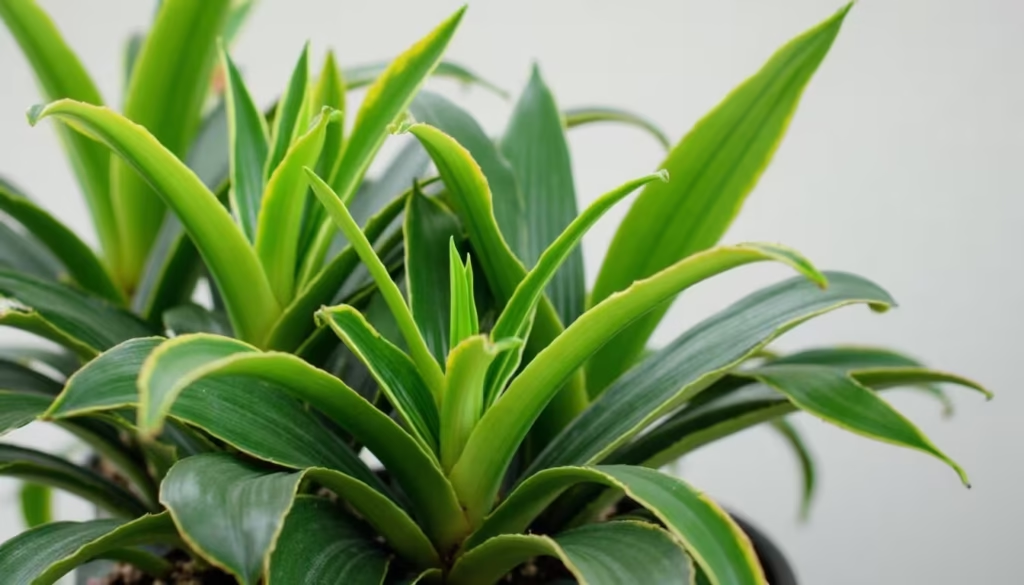
Even with the best intentions and meticulous dracaena plant care, these plants can sometimes present challenges. Knowing how to troubleshoot common problems is vital for keeping your plant healthy.
| Symptom | Probable Cause(s) | Solution |
|---|---|---|
| Brown Leaf Tips or Edges (crispy) | Low humidity, fluoride/chlorine sensitivity in tap water, inconsistent watering (underwatering then overwatering), salt buildup from fertilizer. | Increase humidity (mist, pebble tray, humidifier). Switch to filtered, distilled, or rainwater. Establish a consistent watering schedule. Flush soil with distilled water periodically to remove mineral salts. |
| Yellowing Leaves (especially lower ones) | Overwatering (most common cause, especially if accompanied by drooping or mushy stem), nutrient deficiency (less common), natural aging. | Immediately check soil moisture; allow it to dry out more between waterings. Ensure proper drainage. If upper leaves are yellow and plant is otherwise healthy, consider a very diluted feed. If only old, lower leaves are yellowing and dropping, it’s usually natural shedding. |
| Drooping Leaves | Underwatering (most common), severe overwatering/root rot (roots can’t absorb water), sudden temperature shock. | Check soil moisture: if dry, water thoroughly. If soggy, improve drainage and allow soil to dry. Ensure consistent, warm temperatures. |
| Brown Spots or Patches on Leaves | Direct sun scorch (burn marks), fungal leaf spot (rare for indoor Dracaenas, usually from overly wet leaves). | Move plant away from direct sunlight. For suspected fungal issues, ensure good air circulation and avoid wetting leaves when watering. Remove severely affected leaves. |
| Leggy or Sparse Growth | Insufficient light. | Move to a brighter location with indirect light. Prune back elongated stems to encourage bushier, more compact growth. |
| No New Growth / Stunted Growth | Insufficient light, nutrient deficiency, being root-bound, temperatures too low. | Assess light conditions and move if necessary. Fertilize during the growing season. Check for root-bound conditions and repot if needed. Ensure ambient temperatures are within the ideal range. |
| Pests (Spider Mites, Mealybugs, Scale) | Dry conditions, new infected plants, poor air circulation. | Regularly inspect plants. Isolate affected plants. Wipe leaves with a damp cloth or insecticidal soap. Use neem oil or targeted organic pest control. Increasing humidity can help deter spider mites. |
| Root Rot (mushy stem base, foul odor, wilting despite wet soil) | Persistent overwatering, poor drainage. | Act quickly. Remove plant from pot, gently remove old soil. Trim away any mushy, dark, rotting roots with sterilized scissors. Repot in fresh, well-draining soil and adjust watering habits drastically. Discard heavily rotted plants. |
Popular Dracaena Varieties and Their Unique Care Nuances
While general dracaena plant care principles apply across the board, recognizing some popular varieties can help you appreciate their subtle differences and optimize their specific needs.
Popular Dracaena Varieties
While general Dracaena plant care principles apply across the board, recognizing some popular varieties can help you appreciate their subtle differences and optimize their specific needs.
| Dracaena Variety | Common Names | Key Characteristics |
|---|---|---|
| Dracaena fragrans | Corn Plant, Dracaena “Massangeana,” Dracaena “Lemon Lime,” Dracaena “Hawaiian Sunshine,” Dracaena “Cintho,” Dracaena “Dorado,” Dracaena “Tornado Twist” | Often tall, with sturdy green or variegated (yellow, lime, green) leaves emerging from a central stalk. Distinct woody stems give it a tree-like appearance. Highly popular and generally easy to care for. |
| Dracaena marginata | Dragon Tree, Madagascar Dragon Tree, Red-Edge Dracaena | Slender, often multiple trunks with narrow, arching leaves that typically have prominent red or purple edges. Very popular for its architectural appeal and air-purifying qualities. Cultivars include ‘Colorama’, ‘Magenta’, ‘Tricolor’, ‘Tarzan’. |
| Dracaena deremensis | Often sold as ‘Janet Craig,’ ‘White Jewel,’ ‘Art Caman’ | Bushier plant with broad, strap-shaped leaves. ‘Janet Craig’ is known for its solid dark green foliage and tolerance for lower light. ‘White Jewel’ has striking white stripes. |
| Dracaena sanderiana | Lucky Bamboo (often grown in water) | Although often called “bamboo,” it’s a Dracaena! Features slender, segmented green stems often manipulated into spirals or braids. Requires consistently moist roots when grown in water. |
| Dracaena compacta | Compact Dracaena, Dwarf Dracaena | Characterized by very dense, compact rosettes of dark green leaves. Can grow quite tall but maintains a tight, columnar form. Prefers good humidity. |
| Dracaena reflexa | Song of India, Song of Jamaica | Features graceful, often arching branches with clusters of glossy, green leaves that can have yellow or cream stripes. A very elegant and popular choice. |
| Dracaena trifasciata | Snake Plant, Mother-in-Law’s Tongue (formerly *Sansevieria trifasciata*) | Though recently reclassified into the Dracaena genus, it has very distinct, stiff, upright, sword-like leaves, often with striking patterns. Extremely drought-tolerant and low-light adaptable. |
| Dracaena draco | Canary Islands Dragon Tree | A tree-like Dracaena with a thick trunk and a crown of sword-shaped, blue-green leaves. Grows much larger than most indoor varieties and is often used outdoors in warm climates. |
Dracaena: A Perfect Choice for Indoors (and Sometimes Outdoors!)
While primarily celebrated as indoor houseplants, Dracaenas can, under specific conditions, thrive outdoors. This dual capability adds to their versatility and is an interesting facet of comprehensive dracaena plant care.
- Outdoor Cultivation: Dracaenas are hardy in USDA Zones 7-11, depending on the specific species. This means that in frost-free or very mildly temperate regions, some varieties can be grown outdoors in dappled shade. You’ll often see them used as accent plants on patios or as part of tropical-themed garden beds in these warmer climates.
- Bringing Them Indoors: A crucial rule for outdoor dracaena plant care is knowing when to bring them inside. If outdoor temperatures drop below 60°F (15°C), or certainly before the first frost, your Dracaena must be moved indoors. Cold temperatures can quickly damage or kill these tropical plants. Ensure a smooth transition by checking for pests before bringing them back inside.
Final Thoughts on Dracaena Plant Care
Embarking on the journey of dracaena plant care is a rewarding experience. These resilient, air-purifying, and visually stunning plants offer so much to any home or office. By understanding their core needs for bright, indirect light, mindful watering (especially concerning water quality!), well-draining soil, and adequate humidity, you’re well on your way to a thriving Dracaena.
Remember, gardening is often about learning and adapting. Pay attention to your Dracaena’s signals—its leaves will tell you a lot about its health. With these essential tips, you’ll not only keep your Dracaena healthy but also enjoy the vibrant, tropical beauty it brings to your living space for many years to come. Happy planting!