Everything About Plants – Care, Tips & Green Inspiration

15 Amazing Best Indoor Houseplants: Your Ultimate Guide
The journey to discovering the best indoor houseplants is an exciting one. It’s about understanding your space
Table of Contents
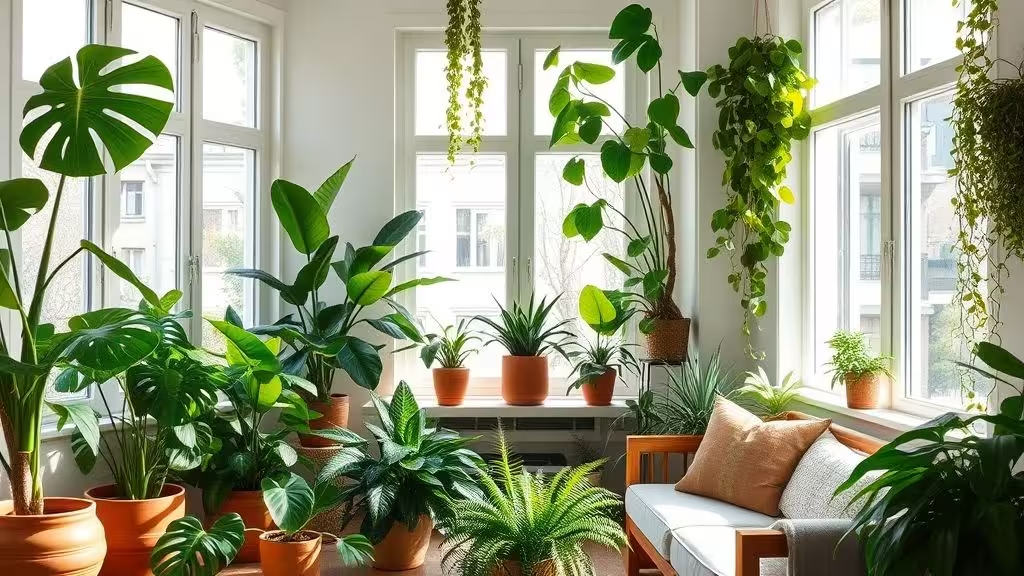
Welcome to the wonderful world of indoor gardening! If you’re looking to bring a touch of nature, improve your home’s air quality, or simply add a calming presence to your living space, finding the best indoor houseplants is your first step. These verdant companions do more than just look good; they purify the air, reduce stress, and can even boost your mood. Whether you’re a seasoned plant parent or just dipping your toes into the world of indoor flora, there are countless options to suit every lifestyle and every corner of your home.
The journey to discovering the best indoor houseplants is an exciting one. It’s about understanding your space, your light conditions, and your commitment level. Some plants thrive on neglect, making them ideal for busy individuals, while others enjoy a little more attention. Our comprehensive guide will help you navigate the vast array of choices, spotlighting plants that are not only beautiful but also resilient and rewarding to grow.
In recent years, the popularity of indoor gardening has soared, with homeowners and renters alike embracing the trend. From tiny succulents adorning windowsills to majestic fiddle-leaf figs commanding attention in living rooms, the right plant can truly transform an environment. But with so many choices, how do you pick the best indoor houseplants for your unique situation? We’ve sifted through countless recommendations, expert advice, and real-world experiences to bring you a curated list of top contenders.
This guide is designed to be your go-to resource, whether you’re seeking a low-maintenance marvel, an air-purifying champion, or a statement piece that will capture everyone’s admiration. We’ll delve into the specific needs of each plant, from light requirements to watering schedules, ensuring you have all the knowledge to help your new green friends thrive. Let’s embark on this leafy adventure together and discover the best indoor houseplants that will bring joy and vitality into your home.
Understanding Your Home’s Environment: The Key to Choosing Best Indoor Houseplants
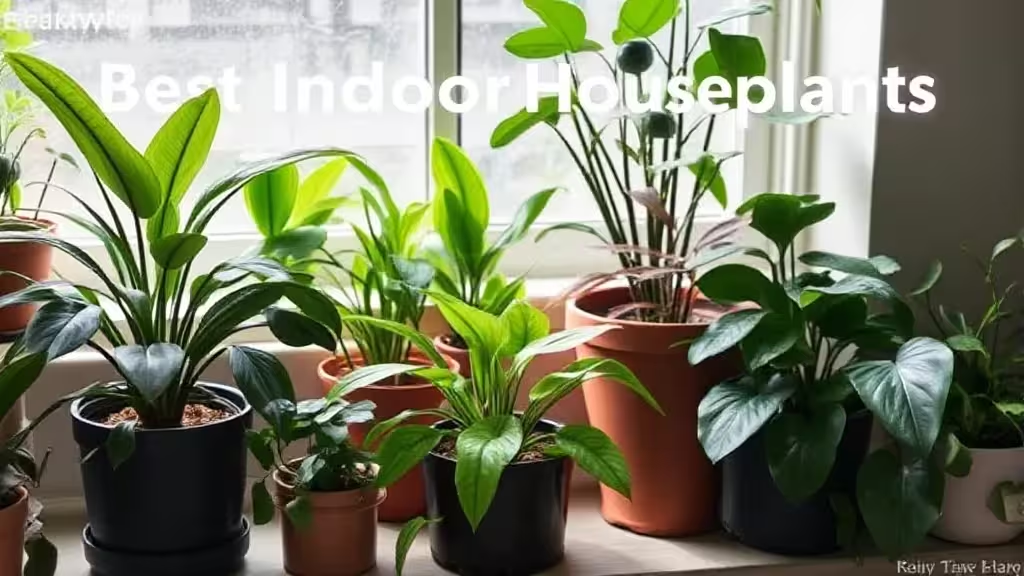
Before diving into specific plant recommendations, it’s crucial to assess your home’s unique microenvironments. Every room, and even different spots within a single room, can offer varying conditions. Understanding these factors is fundamental to selecting the best indoor houseplants that will truly flourish rather than just survive.
Light Conditions: The Foundation for Thriving Best Indoor Houseplants
Light is arguably the most critical factor for any plant. Indoor plants typically fall into three categories based on their light needs:
- Low Light: These areas receive very little direct sunlight, often relying on ambient light from a window across the room or from artificial sources. Plants in these spots can tolerate shade and minimal brightness. Think north-facing windows or corners far from any direct light source.
- Medium/Indirect Light: This is often the ideal condition for many popular houseplants. These areas receive bright, indirect light – meaning the light is diffused, perhaps through a sheer curtain, or is bright but doesn’t hit the plant directly for extended periods. East-facing windows or slightly away from south/west-facing windows often provide this.
- Bright/Direct Light: These spots receive several hours of unfiltered sunlight, usually from south- or west-facing windows. While many plants scorch in direct sun, some thrive on it. Succulents and cacti are prime examples.
Knowing the light conditions in your intended plant’s spot will significantly narrow down your choices and help you find the best indoor houseplants perfectly suited for that location.
Humidity and Temperature: Crucial for Certain Best Indoor Houseplants
Beyond light, consider the humidity levels and temperature fluctuations in your home.
- Humidity: Many tropical indoor houseplants naturally thrive in humid environments. Bathrooms, especially if you take hot showers, often provide higher humidity. If your home is generally dry (common with central heating or air conditioning), you might need to mist certain plants, use a pebble tray, or even a humidifier to keep them happy.
- Temperature: Most indoor houseplants prefer consistent room temperatures, typically between 65-75°F (18-24°C). Avoid placing plants near drafty windows, air conditioning vents, or heat sources that can cause rapid temperature changes or dry out the air.
By taking a moment to evaluate these environmental factors, you’re setting yourself up for success. This thoughtful approach ensures that the best indoor houseplants you choose are not just beautiful, but also perfectly matched to their new home.
Our Top Picks: The Best Indoor Houseplants for Every Home
Based on ease of care, aesthetic appeal, air-purifying qualities, and adaptability to various home environments, we’ve compiled a list of the best indoor houseplants. Each one brings something unique to the table, ensuring there’s a perfect green companion waiting for you.
Here’s a detailed look at some of the best indoor houseplants, presented in a clear, easy-to-read table format for quick reference:
| Plant Name & Botanical Name | Common Traits / Why It’s One of the Best Indoor Houseplants | Light Requirements | Watering Needs | Special Care Tips |
|---|---|---|---|---|
| Peace Lily (Spathiphyllum) | Elegant white blooms, excellent air purifier, signals thirst dramatically by drooping. | Low to Medium, indirect | Keep soil consistently moist, but not soggy. Water when leaves slightly droop. | Wipes leaves to keep them dust-free. Avoid direct sun to prevent leaf scorching. |
| Snake Plant (Sansevieria trifasciata) | Exceptionally hardy, air-purifying champion, architectural upright leaves. Tolerates neglect. | Low to Bright, indirect | Allow soil to dry out completely between waterings. Very drought-tolerant. | Prone to root rot if overwatered. Ideal for beginners and busy individuals. |
| Pothos (Epipremnum aureum) | Extremely easy to grow, versatile (trailing or climbing), various variegated forms. One of the best indoor houseplants for beginners. | Low to Medium, indirect | Water when the top inch of soil is dry. Tolerates some drying out. | Can be pruned to encourage bushier growth. Cuttings root easily in water. |
| ZZ Plant (Zamioculcas zamiifolia) | Almost indestructible, highly drought-tolerant, glossy dark green leaves. | Low to Medium, indirect | Allow soil to dry out completely. Can go weeks without water. | Extremely tolerant of neglect. Avoid overwatering at all costs. |
| Spider Plant (Chlorophytum comosum) | Classic houseplant, produces “spiderettes” (baby plants), excellent air purifier. | Medium, indirect | Keep soil consistently moist but not soggy. | Easy to propagate from “spiderettes.” Great for hanging baskets. |
| Swiss Cheese Plant (Monstera deliciosa) | Iconic large, fenestrated leaves; a trendy statement plant. | Medium to Bright, indirect | Water when the top few inches of soil are dry. | Provide a moss pole or stake for climbing support as it matures. |
| Philodendron (Heartleaf) (Philodendron hederaceum) | Classic vining plant, heart-shaped leaves, very forgiving and easy to care for. | Low to Medium, indirect | Water when the top inch or two of soil is dry. | Great for shelves or hanging baskets where its vines can trail. |
| Rubber Plant (Ficus elastica) | Striking large, glossy leaves (often burgundy or deep green), air-purifying. | Medium to Bright, indirect | Water when the top inch of soil is dry. | Wipes leaves to maintain shine. Can grow quite large, so prune as needed. |
| Cast Iron Plant (Aspidistra elatior) | True to its name, incredibly hardy and tolerant of low light and neglect. | Low to Medium, indirect | Allow soil to dry out between waterings. Drought-tolerant. | Prefers stable conditions; dislikes frequent repotting. |
| Chinese Evergreen (Aglaonema) | Beautiful variegated foliage, thrives in low light, excellent air purifier. | Low to Medium, indirect | Keep soil consistently moist but not soggy. | A versatile plant available in many colorful varieties. |
| Fiddle-Leaf Fig (Ficus lyrata) | Popular statement plant with large, violin-shaped leaves. Can be particular. | Bright, indirect | Water when the top 2-3 inches of soil are dry. | Prone to leaf drop if overwatered, underwatered, or moved frequently. Needs consistency. |
| Aloe Vera (Aloe barbadensis miller) | Succulent known for its medicinal gel, striking appearance. | Bright, direct to indirect | Allow soil to dry out completely between waterings. | Prefers well-draining soil. Can be harvested for its soothing gel. |
| Money Tree (Pachira aquatica) | Braided trunk, five-lobed leaves, believed to bring good luck and prosperity. | Medium to Bright, indirect | Water thoroughly when the top 2-3 inches of soil are dry. | Benefits from high humidity. Rotate for even growth. |
| Boston Fern (Nephrolepis exaltata) | Lush, feathery fronds, excellent for adding texture and purifying air. | Medium, indirect | Keep soil consistently moist. Requires high humidity. | Mists regularly or place near a humidifier. Avoid dry, drafty areas. |
| Prayer Plant (Maranta leuconeura) | Distinctive foliage that “prays” by folding its leaves at night. | Medium, indirect | Keep soil consistently moist. Prefers high humidity. | Use distilled or rainwater if tap water causes browning leaf tips. |
Export to Sheets
Deep Dive into the Best Indoor Houseplants: Care and Benefits
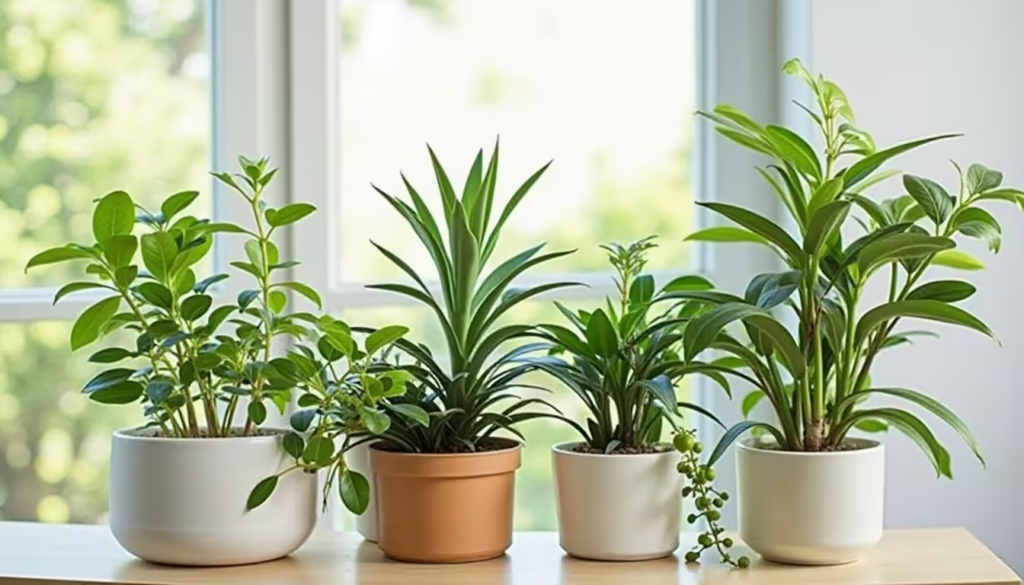
Let’s explore why each of these selections consistently ranks among the best indoor houseplants, offering more detailed care instructions and insights into their unique benefits.
Peace Lily: A Symbol of Purity Among Best Indoor Houseplants
The Peace Lily is a timeless classic for a reason. Its elegant white, hood-like spathes (often mistaken for flowers) contrast beautifully with its lush green foliage. Beyond its beauty, it’s renowned for its exceptional ability to purify indoor air, removing common toxins like formaldehyde, benzene, and trichloroethylene. This makes it not just one of the best indoor houseplants for aesthetics but also for health.
Care Specifics: Peace Lilies are quite communicative. If you see their leaves drooping dramatically, they are simply telling you they’re thirsty. A good soak usually brings them back to life quickly. They prefer consistently moist soil but absolutely despise sitting in soggy conditions, which can lead to root rot. Bright, indirect light is ideal, but they are remarkably tolerant of lower light levels, though they might produce fewer “flowers” in such conditions. Keeping their leaves clean by wiping them regularly helps them absorb light more efficiently.
Snake Plant: The Indestructible of Best Indoor Houseplants
If you’re looking for a plant that can withstand almost anything, the Snake Plant is your champion. Known for its upright, sword-like leaves that come in various shades of green, yellow, and silver, it’s an architectural marvel that requires minimal attention. Its ability to thrive on neglect makes it one of the absolute best indoor houseplants for beginners or those with a busy lifestyle. Furthermore, NASA studies have highlighted its impressive air-purifying capabilities, especially its ability to convert CO2 into oxygen at night, making it an excellent bedroom companion.
Care Specifics: The biggest mistake you can make with a Snake Plant is overwatering. These succulents prefer their soil to dry out completely between waterings. In fact, it’s better to underwater than to overwater. They can tolerate a wide range of light conditions, from very low light to bright, indirect light, though they will grow faster and develop stronger colors in brighter conditions. Their resilience is truly unmatched.
Pothos: The Versatile Best Indoor Houseplants
Pothos plants are the quintessential easy-care houseplants, loved for their trailing vines and heart-shaped leaves. Available in numerous cultivars like ‘Golden Pothos’ (with yellow variegation) and ‘Marble Queen’ (with white variegation), they add a lush, cascading element to any space. Their adaptability and forgiving nature place them firmly on the list of best indoor houseplants for virtually anyone. They’re perfect for hanging baskets, high shelves, or even trained to climb.
Care Specifics: Pothos are incredibly tolerant. They can adapt to various light conditions, from low light to bright indirect light, though their variegation will be more pronounced in brighter settings. Water them when the top inch or two of soil feels dry. They are also incredibly easy to propagate; simply snip a vine section with a few nodes and place it in water, and watch roots develop!
ZZ Plant: The Drought-Tolerant Best Indoor Houseplants
The ZZ Plant (Zamioculcas zamiifolia) has gained immense popularity for its striking, waxy, dark green leaves and its legendary resilience. If you travel frequently or tend to forget about your plants, the ZZ Plant is truly one of the best indoor houseplants you could choose. It stores water in its thick rhizomes, allowing it to go for weeks, or even months, without water.
Care Specifics: Like the Snake Plant, the ZZ Plant’s biggest enemy is overwatering. Allow the soil to dry out completely between waterings, and when in doubt, wait another week. It thrives in low to medium indirect light but can surprisingly tolerate brighter conditions, though direct sun should be avoided. Its sleek, upright form makes it a modern and minimalist addition to any decor.
Spider Plant: Classic Charm Among Best Indoor Houseplants
A true retro classic, the Spider Plant remains a favorite for its cheerful appearance and ease of propagation. Its arching leaves, often variegated with cream or white stripes, produce “spiderettes” – tiny baby plants that dangle from the mother plant, ready to be rooted and shared. It’s an excellent choice for hanging baskets and contributes to improved air quality.
Care Specifics: Spider Plants prefer consistent moisture but don’t like to be waterlogged. They thrive in medium to bright, indirect light. If you notice brown tips on the leaves, it could be due to fluoride or chlorine in tap water; using filtered or distilled water can help. These plants are incredibly resilient and will bounce back even from a bit of neglect, solidifying their place as one of the best indoor houseplants for various skill levels.
Swiss Cheese Plant (Monstera deliciosa): The Statement-Making Best Indoor Houseplants
The Monstera deliciosa, affectionately known as the “Swiss Cheese Plant” due to the natural holes (fenestrations) that develop in its mature leaves, has become an undeniable icon in interior design. Its large, dramatic foliage makes it a fantastic focal point, and its climbing nature adds a dynamic element to any room. It’s truly one of the best indoor houseplants for adding a touch of the tropics and a bold statement.
Care Specifics: Monsteras prefer bright, indirect light. While they can tolerate lower light, their growth will be slower, and the iconic fenestrations might not develop as prominently. Water when the top few inches of soil are dry, allowing for good drainage. As they grow, providing a moss pole or stake will encourage them to climb and develop larger leaves. They appreciate a bit of humidity, so occasional misting can be beneficial.
Heartleaf Philodendron: The Trailing Best Indoor Houseplants
The Heartleaf Philodendron is a quintessential vining houseplant, cherished for its rapid growth, heart-shaped glossy green leaves, and incredibly forgiving nature. It’s perfect for letting trail down from shelves, mantelpieces, or in hanging baskets, creating a lush, green cascade. Its ease of care ensures its spot among the best indoor houseplants for adding softness and natural beauty to any space.
Care Specifics: This philodendron is incredibly adaptable, thriving in low to medium indirect light. It’s tolerant of a wide range of watering habits, preferring to dry out slightly between waterings. Regular pruning will encourage bushier growth and can be used to propagate new plants, making it an excellent choice for sharing with friends.
Rubber Plant (Ficus elastica): Bold and Beautiful Best Indoor Houseplants
The Rubber Plant is a stunning choice, known for its large, leathery leaves that come in shades of deep green, burgundy, and even variegated forms. It adds a bold, architectural presence to any room and is also recognized for its air-purifying qualities. As it matures, it can grow into an impressive indoor tree, making it one of the best indoor houseplants for creating a striking visual impact.
Care Specifics: Rubber Plants prefer bright, indirect light. While they can tolerate slightly lower light, their growth may slow, and leaf coloration might be less vibrant. Water when the top inch of soil feels dry, allowing for thorough drainage. Wiping their leaves regularly helps them absorb light and keeps them looking shiny and healthy. They appreciate stable conditions and dislike being moved too frequently.
Cast Iron Plant (Aspidistra elatior): The Unyielding Best Indoor Houseplants
If “set it and forget it” is your plant care philosophy, the Cast Iron Plant is tailor-made for you. Its common name perfectly describes its resilience; it can withstand a remarkable amount of neglect, including low light, infrequent watering, and fluctuating temperatures. Its tough, dark green leaves add a classic, understated elegance, making it one of the best indoor houseplants for challenging environments.
Care Specifics: This plant thrives on minimal attention. It prefers low to medium indirect light and should be allowed to dry out completely between waterings. Overwatering is the primary danger. It’s not a fast grower, but its consistent, enduring presence makes it a reliable and rewarding choice for any home, especially those with limited natural light or inconsistent care routines.
Chinese Evergreen (Aglaonema): A Spectrum of Color in Best Indoor Houseplants
The Chinese Evergreen is a fantastic choice for adding a splash of color and texture to your indoor garden. Available in an astonishing array of cultivars with green, pink, red, and silver variegation, each plant is a living work of art. Beyond their beauty, they are highly regarded for their air-purifying abilities and their incredible tolerance for low light conditions, cementing their status as one of the best indoor houseplants for almost any indoor setting, including offices.
Care Specifics: Aglaonemas are very adaptable to low light, though the more colorful varieties will show their best hues in medium, indirect light. Keep their soil consistently moist but never soggy. They appreciate a bit of humidity, especially in drier environments, and occasional misting can be beneficial. They are generally pest-resistant and quite forgiving of minor neglect.
Fiddle-Leaf Fig (Ficus lyrata): The Iconic Best Indoor Houseplants
The Fiddle-Leaf Fig has dominated interior design trends for years, and for good reason. Its large, heavily veined, violin-shaped leaves create an undeniably dramatic and stylish presence. While they have a reputation for being somewhat finicky, with the right conditions, they are truly among the most rewarding and impactful of the best indoor houseplants for a modern home.
Care Specifics: Fiddle-Leaf Figs crave bright, indirect light. Placing them near a large, sunny window (but out of direct, scorching sun) is ideal. Consistency is key with these plants; they dislike being moved frequently or experiencing drastic changes in temperature or watering. Water thoroughly when the top few inches of soil are dry, ensuring good drainage. Yellowing lower leaves can indicate overwatering, while crispy brown edges might signal underwatering or low humidity.
Aloe Vera: The Medicinal and Decorative Best Indoor Houseplants
Beyond its striking succulent form, the Aloe Vera plant is celebrated for the clear, soothing gel found within its leaves, widely used for treating minor burns and skin irritations. Its upright, spiky foliage adds a unique texture to any plant collection, making it both a practical and visually appealing choice among the best indoor houseplants.
Care Specifics: As a succulent, Aloe Vera thrives in bright, direct to indirect light. It requires excellent drainage and should be allowed to dry out completely between waterings. Overwatering is the quickest way to kill an Aloe. Place it in a gritty, well-draining potting mix, ideally formulated for cacti and succulents. It’s a low-maintenance plant once its light and watering needs are met.
Money Tree (Pachira aquatica): The Symbol of Prosperity Among Best Indoor Houseplants
The Money Tree, often recognized by its distinctive braided trunk and palmate leaves, is more than just a beautiful addition to your home; it’s widely considered a symbol of good luck and prosperity, particularly in Feng Shui. Its lush green foliage brings a tropical feel, making it one of the best indoor houseplants for those seeking both beauty and positive symbolism.
Care Specifics: Money Trees prefer bright, indirect light, though they can tolerate medium light. Water thoroughly when the top 2-3 inches of soil are dry, ensuring good drainage. They appreciate higher humidity, so misting or placing them near a humidifier can be beneficial, especially in dry indoor environments. Rotating the plant regularly helps ensure even growth and light exposure for all sides.
Boston Fern: The Lush and Feathery Best Indoor Houseplants
For those who love lush, abundant foliage, the Boston Fern is an evergreen favorite. Its feathery, arching fronds bring a classic, elegant touch to any room, and it’s particularly stunning in hanging baskets or on pedestals where its graceful form can be admired. It’s also an excellent air purifier, adding to its appeal as one of the best indoor houseplants.
Care Specifics: Boston Ferns thrive in medium, indirect light and require consistently moist soil. Their biggest demand is high humidity; they will struggle and develop crispy fronds in dry environments. Regular misting, placing them near a humidifier, or grouping them with other plants can help create the humid microclimate they need. Avoid placing them near heating or air conditioning vents.
Prayer Plant (Maranta leuconeura): The Moving Best Indoor Houseplants
The Prayer Plant is a truly captivating houseplant, named for its fascinating habit of folding its leaves upwards at night, resembling hands clasped in prayer, and then unfurling them again in the morning. Its vibrant foliage, often featuring intricate patterns of red, green, and cream, makes it a decorative standout. This unique characteristic makes it one of the most engaging and best indoor houseplants to observe.
Care Specifics: Prayer Plants prefer medium, indirect light. Direct sunlight can scorch their delicate leaves and fade their vibrant colors. They require consistently moist soil but are very sensitive to soggy conditions and chemicals often found in tap water. Using distilled, rainwater, or filtered water can prevent browning leaf tips. High humidity is crucial for Prayer Plants, so misting, a pebble tray, or a humidifier is highly recommended.
Essential Care Tips for All Best Indoor Houseplants
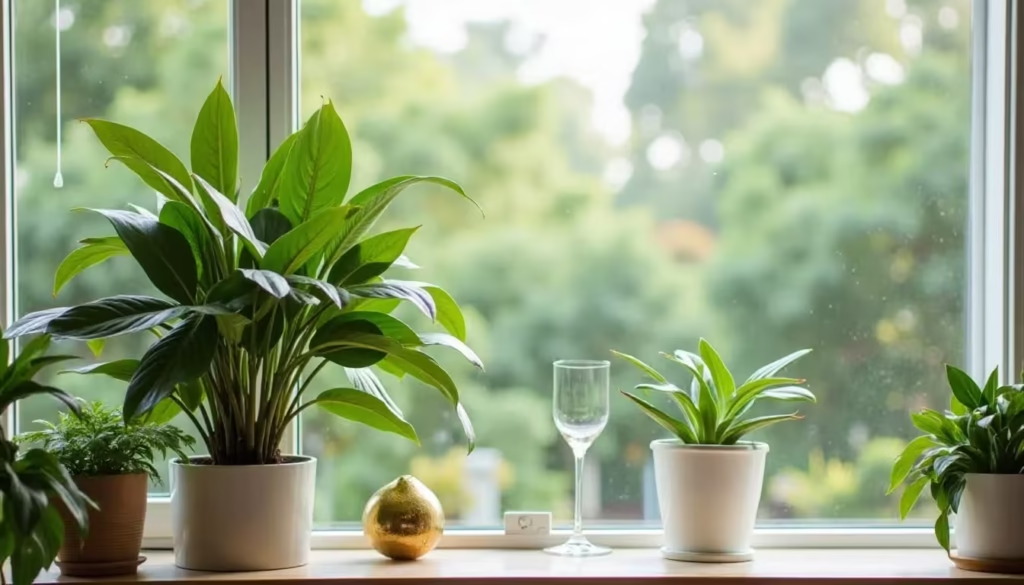
Beyond the specific needs of individual plants, some universal care practices will help all your best indoor houseplants thrive.
Watering Wisdom: The most common mistake new plant owners make is overwatering. Always check the soil moisture before watering. Stick your finger about an inch or two into the soil; if it feels dry, it’s likely time to water. Remember that drainage is key – ensure your pots have drainage holes to prevent root rot. Different plants have different water needs, but avoiding soggy soil is a universal rule.
The Right Potting Mix: Just as important as watering is the soil your plants live in. The best indoor houseplants thrive in a well-draining potting mix. Universal houseplant mixes work for many, but some plants, like succulents and cacti, prefer specialized mixes with more grit for even faster drainage. A good mix allows air to circulate around the roots, preventing compaction and rot.
Fertilizing for Growth: Indoor plants need nutrients, especially during their active growing seasons (spring and summer). A balanced liquid fertilizer, diluted to half strength, applied every 2-4 weeks, is often sufficient. Always follow the product instructions. Remember to reduce or stop fertilizing during the dormant months (fall and winter) when plant growth naturally slows down. Look for fertilizers with an N-P-K ratio, indicating Nitrogen, Phosphorus, and Potassium, as well as essential micronutrients like calcium, iron, and magnesium.
Humidity Hacks: Many best indoor houseplants originate from tropical climates and appreciate higher humidity than typical homes provide. You can boost humidity by:
- Misting: Regularly misting the leaves with a fine spray.
- Pebble Trays: Placing pots on a tray filled with pebbles and water (ensure the pot isn’t sitting directly in the water).
- Humidifiers: Using a small room humidifier, especially in dry winter months.
- Grouping Plants: Plants release moisture through their leaves, so grouping them together can create a mini-microclimate.
Pest Patrol: Even the best indoor houseplants can sometimes attract pests. Regularly inspect your plants for signs of trouble, such as sticky residue, tiny webs, or distorted leaves. Common pests include spider mites, mealybugs, and aphids. Early detection is key. Often, a gentle wipe with a damp cloth or a spray with insecticidal soap can resolve minor infestations.
Repotting and Pruning: As your best indoor houseplants grow, they may become “root-bound,” meaning their roots have filled the pot. Signs include water draining straight through, roots growing out of drainage holes, or stunted growth. Repot into a slightly larger pot (1-2 inches wider) with fresh potting mix. Pruning not only helps maintain size and shape but also encourages bushier growth and removes dead or yellowing leaves, keeping your plant looking its best.
Beyond the Basics: Enhancing Your Indoor Oasis with Best Indoor Houseplants
Once you’ve mastered the fundamentals, you can begin to truly personalize your indoor plant collection and elevate your home’s aesthetic. The best indoor houseplants offer endless possibilities for creative display and arrangement.
Choosing the Right Planters: The pot your plant lives in is just as important as the plant itself. Consider material (terracotta for breathability, ceramic for moisture retention, plastic for lightweight options), size, and style. Ensure all planters have drainage holes; if a decorative pot lacks one, use a nursery pot inside it to allow for proper drainage and prevent water accumulation.
Creative Displays: Think beyond just placing pots on shelves.
- Hanging Baskets: Ideal for trailing plants like Pothos, Heartleaf Philodendron, and Spider Plants, freeing up valuable surface space.
- Plant Stands: Elevate your plants, bringing them closer to light and adding varying heights to your arrangements.
- Terrariums and Cloches: Perfect for smaller, humidity-loving plants, creating miniature ecosystems.
- Vertical Gardens: Maximize space by growing plants vertically on walls or specialized structures.
- Grouping: Arranging several best indoor houseplants together creates a lush, jungle-like effect and can also help maintain humidity levels.
Considering Plant Combinations: When grouping plants, think about their light, water, and humidity needs. Pairing plants with similar requirements makes care easier. Also, consider combining different leaf textures, shapes, and colors for visual interest. A tall Snake Plant next to a trailing Pothos, for instance, creates a dynamic contrast.
Seasonal Adjustments for Your Best Indoor Houseplants: Even the best indoor houseplants require some seasonal consideration. In winter, with shorter days and drier air, you might need to water less frequently and boost humidity. In spring and summer, as light increases and temperatures rise, plants will be in their active growth phase, requiring more water and possibly more frequent fertilization. Observing your plants and responding to their cues is the mark of a truly green thumb.
The Health and Wellness Benefits of Best Indoor Houseplants
Beyond their beauty, the presence of the best indoor houseplants contributes significantly to our well-being, making our homes not just places to live, but spaces that nurture and heal.
Air Purification Powerhouses: As highlighted earlier, many popular indoor plants are natural air purifiers. Through photosynthesis and transpiration, they absorb carbon dioxide and release oxygen. More importantly, they can filter out common volatile organic compounds (VOCs) and other airborne toxins emitted by furniture, cleaning products, and building materials. This includes substances like formaldehyde, benzene, xylene, and trichloroethylene. This makes plants like the Peace Lily, Snake Plant, Spider Plant, and Chinese Evergreen invaluable natural air filters.
Stress Reduction and Mental Well-being: Studies have shown that interacting with plants and being in green spaces can significantly reduce stress levels, lower blood pressure, and improve mood. The simple act of caring for a plant—watering, pruning, observing new growth—can be a meditative and grounding experience. For many, cultivating the best indoor houseplants offers a tangible connection to nature, even in urban environments, fostering a sense of calm and contributing to overall mental health. The presence of greenery also reduces feelings of fatigue and boosts concentration.
Increased Productivity and Creativity: Having plants in your workspace, whether a home office or a dedicated desk, has been linked to increased productivity and creativity. The visual appeal and calming effect of plants can help reduce distractions and improve focus, making your work environment more pleasant and effective.
Improved Humidity and Respiratory Health: Through transpiration, plants release moisture into the air, naturally increasing humidity levels. This can be particularly beneficial in dry climates or during winter months when indoor heating can drastically reduce humidity. Adequate humidity can help alleviate dry skin, irritated throats, and respiratory issues, contributing to a more comfortable and healthier indoor environment.
Aesthetic Enhancement and Biophilic Design: Incorporating the best indoor houseplants is a core component of biophilic design, which aims to connect people with nature in built environments. This design philosophy recognizes our innate human need to connect with the natural world. Plants add texture, color, and life to interiors, making spaces feel more inviting, vibrant, and alive. They can transform a sterile room into a comforting sanctuary.
Troubleshooting Common Issues with Best Indoor Houseplants
Even with the best indoor houseplants and the most diligent care, sometimes problems arise. Knowing how to diagnose and address common issues can save your green companions.
Yellowing Leaves:
- Overwatering: This is the most frequent culprit. The plant’s roots are suffocating from too much water. Check soil moisture; let it dry out more.
- Underwatering: If the soil is bone dry, it could also cause yellowing.
- Nutrient Deficiency: Lack of essential nutrients (nitrogen, magnesium) can manifest as yellowing. Consider fertilizing during the growing season.
- Natural Aging: Older leaves at the bottom of the plant naturally yellow and drop.
Brown or Crispy Leaf Tips/Edges:
- Low Humidity: Common for tropical plants in dry indoor air. Increase humidity with misting, pebble trays, or humidifiers.
- Underwatering: The plant isn’t getting enough moisture to transport to the leaf tips.
- Chemical Burn: Tap water high in chlorine or fluoride can cause this. Consider filtered or distilled water.
- Too Much Direct Sun: Scorch marks from intense sunlight.
Drooping Leaves:
- Underwatering: The most common reason. Give the plant a good drink, and it should perk up within hours.
- Overwatering: If the soil is wet and leaves are drooping, it’s a sign of root rot. Act quickly by removing the plant from its pot, inspecting roots, and repotting in fresh, drier soil.
- Shock: From repotting or a sudden change in environment. Give it time to adjust.
Pests:
- Sticky Residue (Honeydew): Often a sign of aphids or mealybugs.
- Tiny Webs: Indicates spider mites.
- Small Bumps on Stems/Leaves: Could be scale insects.
- Solution: Isolate the affected plant. Wipe leaves with a damp cloth or cotton ball soaked in rubbing alcohol. For severe infestations, use an insecticidal soap or neem oil spray, ensuring to cover all surfaces of the leaves and stems.
Lack of Growth:
- Dormancy: Many plants naturally slow growth in winter.
- Insufficient Light: Move the plant to a brighter spot.
- Nutrient Deficiency: Time to fertilize.
- Root-bound: The plant might need a larger pot.
Patience and observation are your best tools when troubleshooting. Your best indoor houseplants will often give you clear signs of what they need if you learn to interpret them.
Conclusion: Cultivating Your Best Indoor Houseplants Oasis
Bringing the best indoor houseplants into your home is an investment in beauty, well-being, and a deeper connection to the natural world. From the unyielding Snake Plant to the elegant Peace Lily, the statement-making Monstera to the classic Pothos, there is a perfect green companion for every space and every level of gardening experience.
We’ve explored why these plants are consistently hailed as the best indoor houseplants, delving into their specific light and water needs, as well as broader care tips concerning soil, fertilization, humidity, and pest management. Beyond their aesthetic appeal, the profound health benefits—from air purification and stress reduction to improved mood and focus—underscore their value in modern living.
Cultivating an indoor oasis is a journey of learning and discovery. Each plant has its own personality and its own story to tell through its growth and needs. By understanding your home’s environment and matching it with the right plant, you’re not just buying decor; you’re inviting a living, breathing entity into your space that will contribute to a healthier, happier, and more vibrant home.
So, go ahead, choose your favorites from our list of best indoor houseplants, and begin transforming your living space into a thriving, verdant sanctuary. The rewards of nurturing these green companions are truly immeasurable.