Everything About Plants – Care, Tips & Green Inspiration

7 Amazing Benefits: The Banana Leaf Plant’s Incredible Power Unlocked
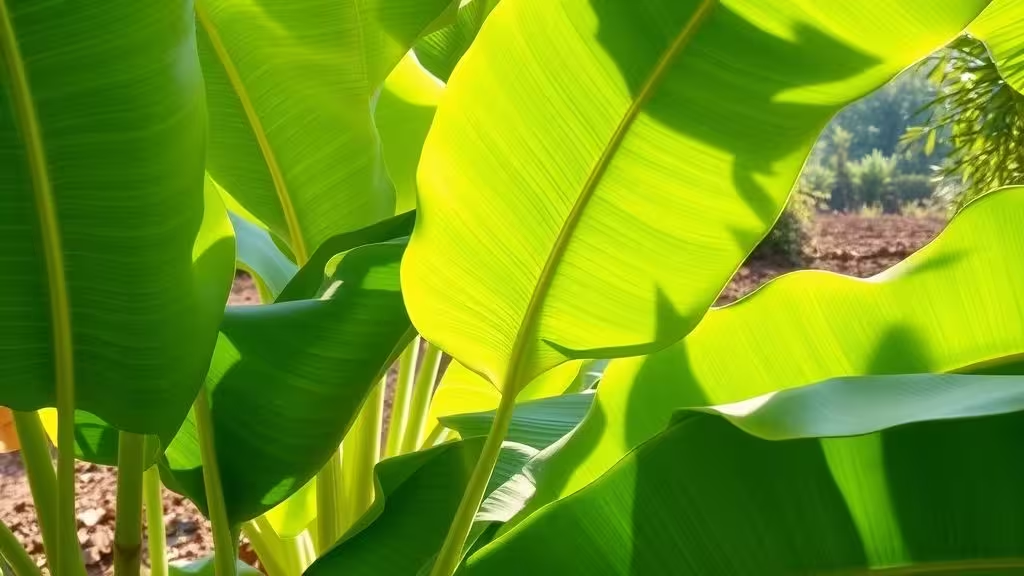
The banana leaf plant, often recognized solely for its iconic fruit, harbors a wealth of untapped potential and plays a far more significant role in various cultures
Table of Contents
The banana leaf plant, often recognized solely for its iconic fruit, harbors a wealth of untapped potential and plays a far more significant role in various cultures and industries than many realize. Beyond its sweet produce, the expansive, vibrant leaves of this remarkable plant are a cornerstone of culinary traditions, a beacon of sustainable innovation, and a symbol of deep cultural reverence across the globe.
This article delves into the fascinating world of the banana leaf plant, exploring its unique botanical characteristics, the optimal conditions for its cultivation, its incredibly diverse applications—from kitchen to cosmetics—and its profound cultural significance. Join us as we uncover the enduring legacy and promising future of this versatile botanical marvel.
I. The Botanical Blueprint of the Banana Leaf Plant
A. Unveiling the Banana Leaf Plant’s Core Identity
The banana leaf plant belongs to the Musa genus, nestled within the Musaceae family. Contrary to popular belief, it is not a tree but a gigantic herbaceous perennial, meaning it lacks a woody stem and its fruit-bearing stalk dies back after a single season, only to be replaced by new growth from its underground root system. This unique classification as a “tree-like herb” is fundamental to understanding the banana leaf plant. It explains its rapid growth, its propagation methods (primarily vegetative rather than by seed for commercial varieties), and the structural integrity of its pseudostem.
This herbaceous nature allows for continuous leaf production, making it an incredibly sustainable resource for its widespread culinary and packaging uses. Unlike a true tree, where harvesting leaves might be detrimental to its long-term viability, the banana leaf plant regenerates from an underground rhizome, ensuring a continuous supply of its valuable foliage.
This characteristic directly influences cultivation practices, which focus on managing suckers and rhizomes rather than traditional tree pruning or seed planting. The pseudostem, formed by tightly packed leaf sheaths, provides surprising strength, capable of supporting heavy fruit bunches , yet its non-woody composition also means it can be susceptible to wind damage if not properly managed. This duality in its structure is a direct consequence of its herbaceous classification, highlighting a remarkable balance between robustness and adaptability.
B. Anatomy of the Banana Leaf Plant: A Closer Look at Its Foliage
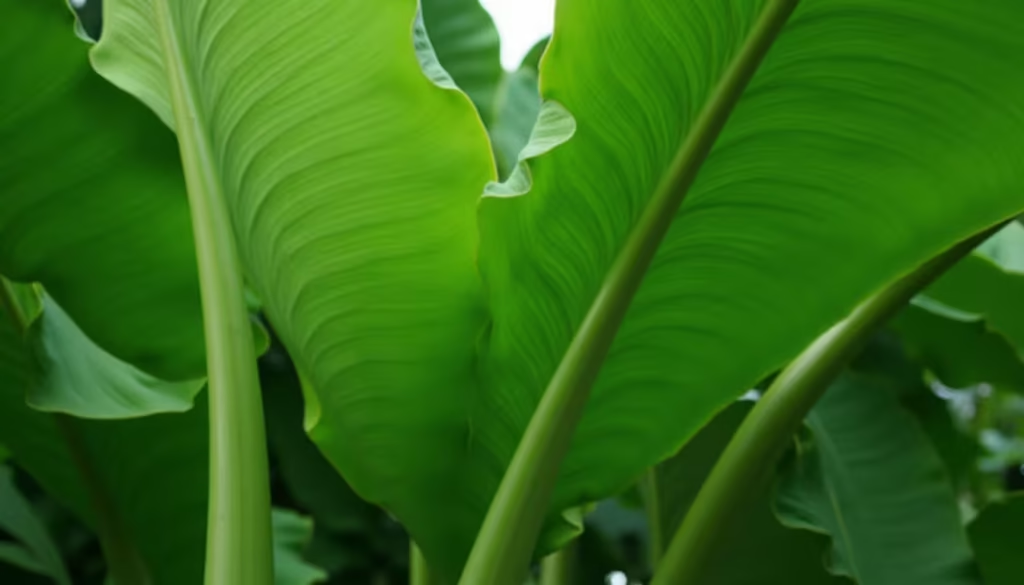
The leaves of the banana leaf plant are truly impressive. They are spirally arranged, large, oblong or elliptic in shape, extending up to 6 feet in length and 2 feet in width, with each plant typically bearing 8-12 such magnificent leaves. The upper surface boasts a dark green, smooth, waxy, and glossy appearance, while the underside is a paler, matte green. A prominent central midrib runs through the length of the leaf, from which parallel veins extend towards the margins. This unique venation contributes to the leaf’s functionality even when torn.
The unfurling of a new banana leaf plant leaf is a sight to behold. Each leaf emerges from the center of the pseudostem as a tightly coiled, white, and tender rolled cylinder, often referred to as a “cigar leaf”. Depending on climatic conditions, this unfurling process typically takes about seven days. While seemingly delicate, the leaves of the banana leaf plant are adapted to their environment. In unsheltered areas, wind and rain can easily tear the leaves between the veins, giving them a characteristic fringed or ragged appearance.
This tearing, however, is not a flaw but a brilliant evolutionary adaptation. In tropical, often windy environments, a rigid, intact large leaf would act like a sail, potentially causing the entire pseudostem to snap or topple. By tearing, the leaf reduces its surface area exposed to direct wind pressure, effectively “venting” the wind and minimizing structural stress on the plant. The parallel veins ensure that even torn sections can still photosynthesize, maintaining the plant’s energy production. This transforms a perceived fragility into a key survival strategy, directly impacting the plant’s resilience in its native habitat.
II. Cultivating the Banana Leaf Plant: A Guide to Thriving Growth
A. Optimal Conditions for Your Banana Leaf Plant
Successfully cultivating a banana leaf plant hinges on providing specific environmental conditions that mimic its tropical origins.
Climate & Temperature: As a tropical plant, the banana leaf plant demands uniformly warm to hot conditions. Optimal shoot growth occurs between 78-82°F (26-28°C), while fruit development thrives at 84-86°F (29-30°C). Growth significantly slows below 60°F (16°C) and ceases entirely at 50°F (10°C). Chilling injury (temperatures above freezing but below 60°F) can lead to “choking” (failure of the flowering stalk to emerge) and poor fruit quality. Freezing temperatures (at or below 32°F/0°C) can kill all above-ground parts, though the underground rhizome often survives to sprout anew. Conversely, extreme heat above 98°F (37°C) can cause leaf scorch.
Light: The banana leaf plant flourishes in full sun, requiring at least six hours of direct sunlight daily for best production. While it exhibits moderate shade tolerance (up to 50%), excessive shading delays growth and results in smaller, lower-quality fruit.
Water & Humidity: Consistent moisture is paramount for the thirsty banana leaf plant. It requires abundant water, especially during warm periods, though overwatering leading to soggy soil can cause root rot. Drought stress manifests as leaf folding, discoloration, and premature leaf death. The plant is highly intolerant of waterlogging or stagnant water, which can quickly kill it. High humidity is also crucial, ideally ranging between 50-60% for container plants and even higher (60-90%) for optimal indoor growth. Low humidity can lead to crisp, brown leaf edges and increased susceptibility to pests like spider mites.
Soil: The banana leaf plant thrives in deep, well-drained, fertile soils rich in organic matter. A neutral to slightly acidic pH range of 5.5-7.0 is ideal. Alluvial and volcanic soils are particularly favorable. Critically, the plant has low tolerance for saline soils and cannot withstand waterlogged conditions.
The very specific environmental requirements for the banana leaf plant directly influence its global cultivation patterns. The strong correlation between these needs and the plant’s natural distribution within 30 degrees of the equator means that successful cultivation outside these ideal tropical zones necessitates significant, often costly, interventions.
For instance, in subtropical areas, protection from chilling injury and frost is vital to prevent issues like “choking” or plant death. In regions with high water tables, planting on raised beds becomes a recommended practice to avoid detrimental waterlogging. For indoor cultivation, maintaining consistent warmth and high humidity often requires the use of humidifiers and careful, frequent watering schedules. Thus, the plant’s inherent environmental sensitivities directly dictate the complexity and feasibility of its cultivation globally, highlighting the economic and technological investments needed to grow it outside its ideal native range.
Table 1: Key Environmental Requirements for the Banana Leaf Plant
| Category | Requirement/Condition | Details/Range | Relevant Snippets |
|---|---|---|---|
| Temperature | Optimal Shoot Growth | 78-82°F (26-28°C) | |
| Optimal Fruit Growth | 84-86°F (29-30°C) | ||
| Growth Slows Below | 60°F (16°C) | ||
| Growth Stops Below | 50°F (10°C) | ||
| Freeze Damage | At/Below 32°F (0°C) | ||
| Leaf Scorch | At/Above 98°F (37°C) | ||
| Light | Requirement | Full Sun (6+ hours direct sunlight daily) | |
| Shade Tolerance | Moderate (up to 50%) | ||
| Water | Moisture Needs | Consistent, abundant (avoid waterlogging) | |
| Drought Tolerance | Moderate (some Musa balbisiana cultivars) | ||
| Flood Tolerance | None (stagnant water fatal) | ||
| Humidity | Ideal Range | 50-60% (container), 60-90% (optimal indoor) | |
| Soil | Texture | Well-drained, deep, fertile, rich in organic matter | |
| pH Range | 5.5-7.0 (neutral to slightly acidic) | ||
| Salt Tolerance | Poor |
B. Nurturing Your Banana Leaf Plant: Propagation and Care
Commercial banana leaf plant varieties are typically seedless, relying on vegetative propagation for reproduction. The most common method involves using “suckers” or “pups,” which are shoots emerging from the underground rhizome. Sword suckers, characterized by their well-developed bases and narrow leaves, are generally preferred over water suckers for establishing healthier clumps. Another increasingly popular method for propagating the banana leaf plant is tissue culture, which produces disease-free plantlets, ensuring robust initial growth and uniformity. Regardless of the method, it takes approximately 9 to 12 months from planting a rhizome or bulb to the first fruit harvest.
For optimal fruit production and plant vigor, it is recommended to allow only one primary stem from each rhizome to fruit, removing any excess shoots as they appear. This practice helps channel all of the plant’s energy into fruit production, rather than supporting multiple, less productive stalks. Given their rapid growth rate, banana leaf plants are heavy feeders, demanding significant nutrients to sustain their development. Regular fertilization is crucial; a balanced NPK fertilizer (e.g., 8:10:8) applied monthly during warm weather is typically adequate to meet their nutritional demands.
The primary reliance on vegetative propagation, such as suckers, rhizomes, and tissue culture, for commercial banana leaf plant varieties means that these plants are essentially clones. This method inherently leads to low genetic diversity across vast plantations. This lack of genetic variation makes the entire crop highly susceptible to widespread diseases and pests, as a pathogen capable of infecting one plant can easily spread to all genetically identical plants with little resistance.
This vulnerability is starkly illustrated by the threat of diseases like Sigatoka and Fusarium TR4, which have dramatically reduced banana yields globally and necessitated intensive pesticide use in conventional farming. The very efficiency and predictability of clonal propagation, which offers consistent yields and fruit characteristics, inadvertently create a significant ecological and economic risk. This inherent susceptibility underscores the critical need for ongoing research into developing disease-resistant varieties and implementing more sustainable farming practices to safeguard global banana production.
III. The Multifaceted Uses of the Banana Leaf Plant
A. Culinary Canvas: The Banana Leaf Plant in Global Gastronomy
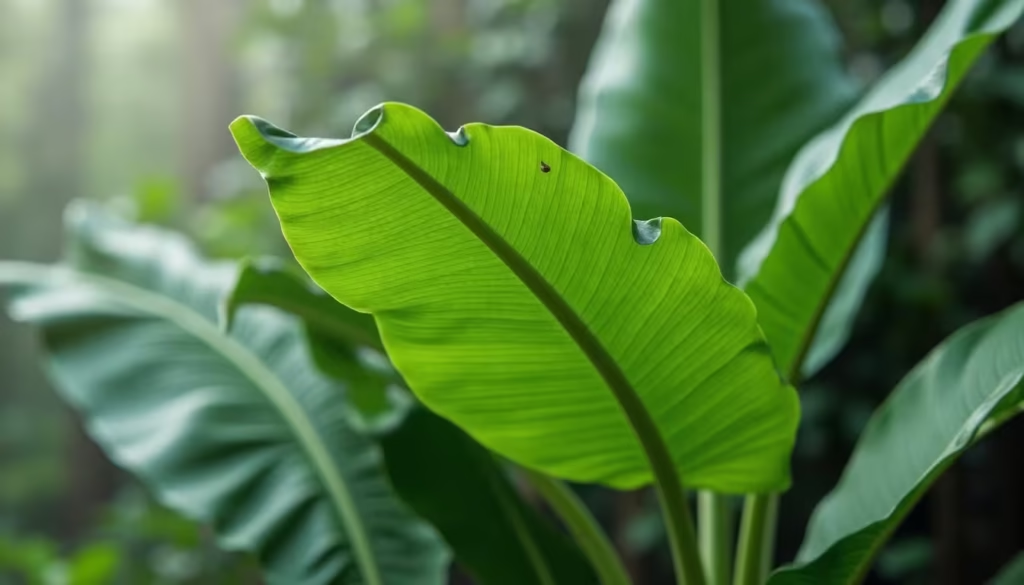
The large, pliable leaves of the banana leaf plant have long been a versatile and indispensable tool in kitchens worldwide, particularly across Asia, Latin America, and Africa. They serve as natural, biodegradable wrappers for cooking and serving, infusing dishes with a subtle, grassy, sweet, or smoky aroma. Whether steaming, grilling, or baking, the banana leaf plant acts as a protective barrier, sealing in moisture and preventing food from sticking to cooking surfaces. This method is not only practical but also imparts a unique flavor profile to the food, with antioxidants from the leaf potentially being absorbed into the dish.
From the steamed fish custards of Thai Hor Mok Pla and the traditional Mexican Tamales and Cochinita Pibil, to South Indian Idli and Southeast Asian sticky rice dishes, the culinary applications are incredibly diverse. Banana leaves are even used in fermentation processes for foods like African Kenkey and Indonesian Tempeh. Beyond cooking, they are fashioned into eco-friendly plates, serving trays, and bowls, enhancing the dining experience with their natural aesthetic. Preparing the leaves for culinary use is simple: a brief boil or heating over a flame makes them flexible and easier to work with. Once cleaned, they can be stored in the refrigerator for up to a week or frozen for about six months.
The sheer volume and geographical spread of traditional culinary uses for the banana leaf plant are striking. This widespread adoption across multiple continents—for wrapping, cooking, and serving food—is not accidental. It reflects a deep, ancient understanding of traditional ecological knowledge, where communities, without modern scientific analysis, intuitively grasped and leveraged the practical benefits of the leaf.
This highlights a historical model of sustainable food practices, where a readily available, renewable natural resource was seamlessly integrated into daily life. This approach minimized waste, enhanced food quality through natural flavor infusion, and provided a practical, disposable serving solution long before the advent of modern materials. This enduring practice is a testament to how indigenous knowledge systems often predate and align perfectly with contemporary sustainability goals.
Table 2: Diverse Culinary Applications of the Banana Leaf Plant
| Application | Description | Examples (Cuisines/Dishes) | Relevant Snippets |
|---|---|---|---|
| Steaming/Baking Wrappers | Seals in moisture, infuses subtle flavor, prevents sticking. | Thai Hor Mok Pla (fish custard), Mexican Tamales, Filipino Bibingkang (rice cake), Southeast Asian Sticky Rice, African Kenkey (corn dough) | |
| Grilling Wrappers | Prevents fragile foods from sticking to grill, adds smoky/sweet flavor. | Grilled fish, shrimp, vegetables | |
| Serving Plates/Bowls | Eco-friendly, aesthetically pleasing, chemical-free, reduces dishwashing. | South Indian Sadhya feasts, Malaysian Indian restaurants, traditional warung makan | |
| Fermentation Aid | Allows air exchange, protects food, aids natural fermentation. | Indonesian Tempeh, Vietnamese Nem Chua (fermented pork), cocoa fermentation | |
| Lining/Non-stick Layer | Prevents sticking in pots/pans, can line cake pans for baking. | Baking cakes/bread, traditional cooking |
B. Sustainable Solutions: The Banana Leaf Plant in Eco-Friendly Packaging
In an era of increasing environmental consciousness, the banana leaf plant offers a compelling solution to the pervasive problem of single-use plastic waste. Its inherent biodegradability and compostability mean that, unlike plastic, it naturally decomposes, returning valuable nutrients to the soil without leaving harmful residues. This characteristic aligns perfectly with the principles of a circular economy, where materials are designed to be reused, repurposed, or returned to the earth.
Beyond traditional uses as simple wrappers, innovative advancements like “Banana Leaf Technology” are revolutionizing the potential of the banana leaf plant for modern packaging. This patented technology transforms the cellular structure of organic banana leaves, enhancing their natural properties. The treated leaves remain green for up to a year without chemicals and can extend their shelf life to an impressive three years.
These enhanced leaves boast increased load-bearing capabilities, resistance to extreme temperatures, improved durability, elasticity, and flexibility. Crucially, they also become more pathogen-resistant, exhibiting antiviral, antifungal, and antibacterial properties, making them a healthier alternative for food contact compared to plastics. Products ranging from plates, cups, and cones to boxes and even writing paper are now being developed from this sustainable material.
This transition from localized, ephemeral use to a scalable, industrial application represents a significant paradigm shift. Traditionally, banana leaves were used directly as temporary, perishable wrappers. However, the introduction of “Banana Leaf Technology” is not merely using a natural material; it is a form of bio-engineering that transforms the leaf’s inherent properties for enhanced durability and extended shelf life.
This technological intervention addresses a global crisis, plastic pollution, by transforming an agricultural byproduct into a viable, durable, and versatile raw material for a wide range of products. This creates a new value chain, generating significant economic opportunities, including employment in rural areas where banana cultivation is prevalent, and opening up substantial export potential in the global market. This development positions the banana leaf plant at the forefront of sustainable innovation, demonstrating how ancient resources can be adapted with modern science to solve contemporary environmental and economic challenges.
C. Artistic Expressions: Decorative and Craft Uses of the Banana Leaf Plant
Beyond its practical utility, the banana leaf plant serves as a remarkable medium for artistic expression, cultural decoration, and traditional craftsmanship across many societies. Its large size, sturdy texture, and natural beauty make it ideal for creating a diverse array of items.
In traditional settings, banana leaves are fashioned into baskets, mats, and wall decorations, and even woven into hats and bags. They are integral to festive decorations and rituals, used to construct temporary shelters, canopy roofs, and elaborate offerings during celebrations and religious ceremonies. Notably, in Thailand, the banana leaf plant is central to the crafting of Krathongs (water floating lanterns) for the Loy Krathong Festival and Bai-Sri (oblation containers) used in Brahmanism to honor sacred gods.
This deep cultural integration extends to everyday utensils, with intricate food wraps and containers being crafted for both common use and royal families. In contemporary applications, the aesthetic appeal of the banana leaf plant has found its way into modern flower arrangements, fashionable ornaments, and even purses, showcasing its adaptability and enduring charm.
The decorative and ceremonial uses of the banana leaf plant highlight a significant aspect of its value that extends beyond mere utility. While its culinary and packaging applications are undeniably practical, its role in crafts, decorations, religious offerings, and festival items points to a deeper cultural and symbolic significance. These uses are often intrinsically tied to rituals, celebrations, and spiritual beliefs, such as the creation of Krathongs and Bai-Sri in Thailand, or its symbolism in Hindu mythology.
This demonstrates that the banana leaf plant is not just a source of food or material; it is an integral part of the cultural fabric, representing concepts like purity, abundance, prosperity, and divine blessings. This profound integration illustrates a holistic relationship between humans and nature, where the plant nourishes not only the body but also the spirit and communal identity, serving as a tangible link to heritage and tradition.
D. Nature’s Pharmacy: Medicinal Benefits of the Banana Leaf Plant
The banana leaf plant has been a staple in traditional medicine for centuries, with almost all its parts—from leaves to roots—utilized for their therapeutic properties. Modern research is now validating many of these historical applications, identifying key bioactive compounds responsible for their effects.
Leaves: The leaves of the banana leaf plant are particularly notable. They are traditionally used to treat common ailments like sore throat, cough, common cold, and fever. Topically, crushed leaves or poultices are applied to soothe skin conditions, inflammation, burns, wounds, and irritations due to their astringent and healing properties. Chemically, banana leaf plant leaves are rich in polyphenols (including epigallocatechin gallate, or EGCG), flavonoids, lignin, hemicellulose, and unique proteins like lectin. These compounds contribute to the leaves’ potent antioxidant, anti-inflammatory, and anti-cancer properties, helping to combat free radicals and prevent micro-inflammation.
Allantoin, another component, is recognized for boosting the immune system and accelerating healing. For internal use, banana leaf plant preparations are known to aid digestion, effectively treating conditions such as diarrhea, dysentery, flatulence, indigestion, and stomach ulcers. The presence of rutin in the leaves also contributes to their anti-diabetic properties by helping to regulate blood sugar levels. Furthermore, banana leaf extract is used for hair health, addressing issues like dandruff and maintaining hair color.
Other Plant Parts: Beyond the leaves, other parts of the banana leaf plant also offer medicinal benefits. The flowers are traditionally used for bronchitis, dysentery, and ulcers, and cooked flowers are given to individuals with diabetes. The astringent plant sap is applied for hysteria, epilepsy, leprosy, fevers, hemorrhages, acute dysentery, and diarrhea, and topically for hemorrhoids and insect bites. Young leaves are used as poultices for burns and skin afflictions.
The astringent ashes from unripe peels and leaves are ingested for dysentery and malignant ulcers. Roots are administered for digestive disorders and dysentery, while mucilage from banana seeds is used to treat diarrhea. Ripe peels and pulp contain antifungal and antibiotic principles, with the antibiotic component active against Mycobacteria, and a fungicide effective against a fungal disease affecting tomato plants. The ripe peel and pulp also contain norepinephrine, dopamine, and serotonin, which influence blood pressure and intestinal muscle stimulation.
E. Green Gold: The Banana Leaf Plant in Sustainable Gardening and Agriculture
The banana leaf plant offers significant advantages in sustainable gardening and agricultural practices, contributing to healthier ecosystems and reduced reliance on synthetic inputs. Its large leaves can be effectively used as mulch in gardens. This practice helps suppress weed growth by blocking sunlight, retains soil moisture by reducing evaporation, and gradually breaks down to enrich the soil with organic matter. This natural decomposition process adds essential nutrients back into the soil, promoting healthy plant growth and lessening the need for synthetic fertilizers, thereby supporting soil health and reducing chemical runoff.
Furthermore, the robust, waxy texture and innate compounds within banana leaf plant leaves act as a natural barrier against various pests and insects in the garden. This deters common garden pests, safeguarding plants from harm and reducing the necessity for chemical pesticides. This eco-friendly pest control approach supports biodiversity within the garden ecosystem and poses no harm to the environment. Beyond direct garden applications, banana leaves are also utilized as a sustainable feed option for livestock, such as cows and goats, providing nutritious fiber. The plant’s ability to thrive with minimal inputs and its role in improving soil structure also make it an attractive option for sustainable agriculture, particularly in regions where other crops might fail.
F. Beyond the Obvious: Other Industrial Uses of the Banana Leaf Plant
The versatility of the banana leaf plant extends into various industrial applications, leveraging its fibrous composition and other unique properties. The plant is a valuable source of fiber, which is extracted from its leaf stalks (petioles) or pseudostems. This fiber, known as abaca (from Musa textilis), is highly prized for its exceptional strength, flexibility, buoyancy, and resistance to saltwater damage. These qualities make it particularly suitable for marine cordage, such as ships’ ropes, hawsers, and fishing lines. Beyond cordage, abaca fiber is also used in carpets, table mats, and in the production of high-quality paper, including specialty papers like tea bags and banknotes.
Moreover, the biomass from the banana leaf plant, including the leaves and pseudostems, is being explored for other industrial purposes. Its high protein content makes the remaining meal after fiber extraction a vital component in animal nutrition. Additionally, banana meal can serve as a natural binding agent in various industrial applications. Its adhesive properties are useful in the production of particleboard, plywood, and other composite materials, offering a sustainable alternative to synthetic binders. These applications underscore the plant’s potential to contribute to diverse industries, moving beyond its traditional roles and supporting a broader bio-based economy.
IV. The Cultural Heartbeat of the Banana Leaf Plant
A. Symbol of Abundance: The Banana Leaf Plant in Spiritual Traditions
The banana leaf plant holds profound cultural and spiritual significance across many societies, particularly in India, where it is revered as a sacred symbol of abundance, fertility, prosperity, and divine blessings. Often mistaken for a tree, this herbaceous plant is deeply associated with deities like Lord Vishnu and Goddess Lakshmi in Hindu mythology, with planting a banana plant near one’s home believed to invite prosperity.
During pujas (worship ceremonies) and festivals, especially in South India and Maharashtra, banana leaf plants are traditionally placed on either side of entrances to homes and temples, symbolizing auspiciousness and the presence of divine blessings. Offering banana leaves and fruits to the gods is believed to grant punya (spiritual merit). At the Jagannath Temple in Puri, Odisha, banana leaves are essential for preparing and serving mahaprasad (sacred food offerings), highlighting their role in temple eco-rituals. In some regions, the plant itself is worshipped as an embodiment of Goddess Lakshmi, particularly on Thursdays.
The widespread decorative and ceremonial uses of the banana leaf plant demonstrate that it holds significant symbolic and aesthetic value, transcending its role as a mere agricultural product. It becomes a medium for cultural expression, spiritual connection, and communal identity. The plant is not just a source of food or material; it is a part of the cultural fabric, representing concepts like purity, abundance, and divine blessings. This deep integration highlights a holistic relationship between humans and nature, where the plant nourishes not only the body but also the spirit and community. This cultural reverence is a testament to the plant’s enduring importance beyond its tangible benefits, fostering a sense of connection and heritage among communities.
V. Challenges and the Future of the Banana Leaf Plant
A. Navigating Environmental Stresses and Diseases Affecting the Banana Leaf Plant
Despite its resilience and adaptability, the banana leaf plant faces several environmental stresses and disease threats that can significantly impact its growth and productivity.
Temperature Extremes: While thriving in warmth, the banana leaf plant is highly sensitive to temperature fluctuations. Growth is severely inhibited below 60°F (16°C), leading to chilling injury symptoms like “choking” (failure of the flowering stalk to emerge) and poor fruit quality. Freezing temperatures can kill above-ground parts, though the rhizome often survives. Conversely, extreme heat above 98°F (37°C) can cause leaf scorch.
Wind: Wind is a common constraint, particularly in subtropical production areas. Continuous windy conditions can cause severe leaf shredding, drying of leaves, and distortion of the plant crown. Strong winds (above 25 mph for tall cultivars, 45 mph for shorter ones) can even topple plants.
Drought and Flooding: Water availability is critical. Lack of water at any stage can reduce fruit number and size, impacting overall yield. While some cultivars show greater drought tolerance, severe drought stress leads to leaf folding, discoloration, and premature leaf death, potentially causing pseudostem collapse. Conversely, the banana leaf plant is highly intolerant of flooding; stagnant water can kill plants rapidly, necessitating well-drained soils or raised beds in flood-prone areas.
Diseases: The most significant challenge to the banana leaf plant is disease. The Cavendish variety, which dominates global exports, is particularly vulnerable. Diseases like Sigatoka have caused substantial yield reductions, and Fusarium TR4, a soil-borne fungus, poses a severe threat, with some attributing its spread to improper soil management. These diseases are exacerbated by the widespread reliance on genetically uniform cultivars, which, as discussed earlier, lack the genetic diversity to resist widespread pathogens effectively.
B. Cultivating a Sustainable Future for the Banana Leaf Plant
Addressing the challenges facing the banana leaf plant requires a concerted effort towards more sustainable cultivation practices and ongoing innovation. The emphasis on organic and fair trade farming is crucial. Sustainable agriculture aims to integrate environmental stewardship, farm profitability, and prosperous farming communities. This includes producing goods without depleting natural resources, often involving a price premium for consumers who value these practices. Organic farming, though data on its widespread adoption is limited, is gaining traction as major producers respond to consumer demand for chemical-free produce. Fair Trade practices ensure that farmers receive a price covering production costs and an additional premium for social, environmental, or quality improvements, addressing concerns about labor conditions in large-scale plantations.
Ongoing research and innovation are vital for enhancing the resilience of the banana leaf plant and expanding its applications. This includes developing new disease-resistant varieties to mitigate the impact of pathogens like Fusarium TR4, reducing the reliance on intensive pesticide use. Furthermore, advancements in technologies like Banana Leaf Technology demonstrate how agricultural byproducts can be transformed into valuable, eco-friendly materials, creating new industries and economic opportunities. By investing in these areas, the future of the banana leaf plant can be secured, ensuring its continued contribution to food security, environmental sustainability, and cultural heritage worldwide.
Conclusion: Embracing the Enduring Legacy of the Banana Leaf Plant
The banana leaf plant, far more than a mere producer of fruit, stands as a testament to nature’s profound versatility and resilience. From its unique botanical identity as a gigantic herbaceous perennial to its specific environmental demands, understanding this plant reveals a complex interplay of biological adaptations and cultivation requirements. The reliance on vegetative propagation, while efficient for commercial yields, highlights a critical vulnerability to widespread diseases, underscoring the importance of ongoing research into resilient varieties and sustainable farming.
Across the globe, the banana leaf plant serves as an indispensable culinary canvas, a natural, biodegradable wrapper that imparts subtle flavors and preserves food. This widespread traditional use speaks to an ancient, intuitive ecological knowledge, demonstrating sustainable food practices that predate modern environmental concerns. Beyond the kitchen, its leaves are transformed into artistic expressions, integral to cultural ceremonies and crafts, embodying deep symbolic value that enriches human experience.
Furthermore, the plant’s medicinal properties, rooted in traditional remedies and increasingly validated by scientific analysis, offer a natural pharmacy of beneficial compounds. In the realm of sustainability, the banana leaf plant provides eco-friendly packaging solutions, with innovations like Banana Leaf Technology transforming a natural byproduct into a durable, pathogen-resistant material, creating new economic avenues and reducing plastic waste. Its utility extends to sustainable gardening, where it acts as a natural mulch and pest deterrent, and to various industries, providing valuable fibers for textiles and binding agents.
The journey through the world of the banana leaf plant reveals a remarkable organism whose contributions extend far beyond its well-known fruit. Its enduring legacy is woven into the fabric of human culture, economy, and environmental well-being. As we navigate a future demanding greater sustainability and respect for natural resources, the banana leaf plant stands as a powerful example of how ancient wisdom, combined with modern innovation, can unlock remarkable potential for a more sustainable and culturally rich world.