Discover the best indoor plants for your home!

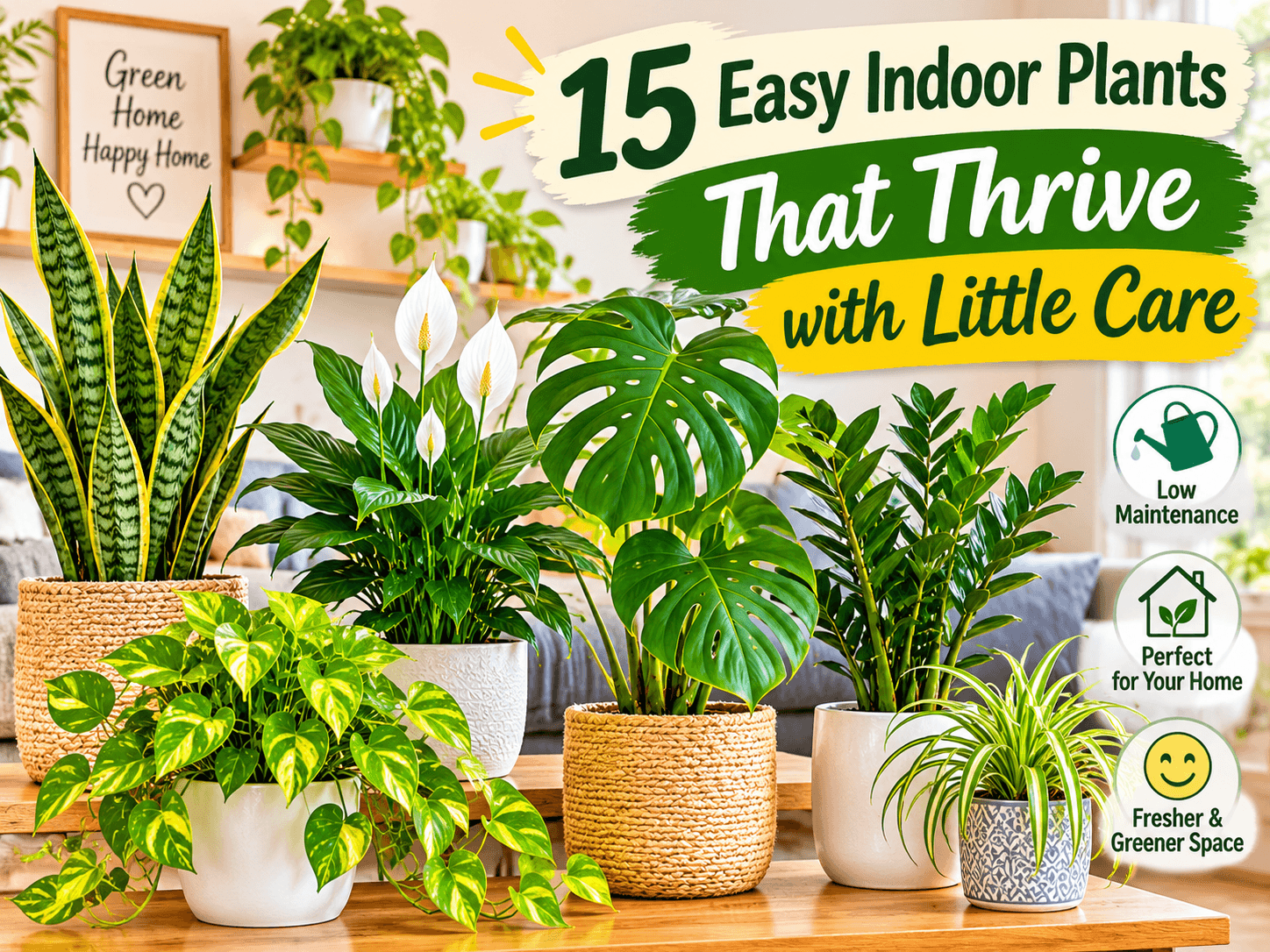
15 Easy Indoor Plants That Thrive with Little Care
Table of Contents
15 Best Indoor Plants for Beginners That Are Easy to Grow and Maintain
Bringing greenery into your home is one of the simplest ways to create a more welcoming and relaxing atmosphere. Whether you live in a small apartment, have a spacious living room, or simply want to add a little natural beauty to your surroundings, indoor plants can make a wonderful difference.
However, if you’re new to houseplants, choosing the right ones can feel overwhelming. Some plants need regular attention, while others are surprisingly forgiving and can adapt to different indoor environments.
The good news is that you don’t need years of gardening experience to enjoy a beautiful indoor garden. Many houseplants are easy to grow, require minimal maintenance, and can thrive with just a little attention.
In this guide, we’ll explore 15 of the best indoor plants for beginners, along with practical care tips to help you choose the right greenery for your home.
Why Choose Easy-to-Maintain Indoor Plants?
Starting with low-maintenance houseplants makes the experience much more enjoyable. Instead of worrying about complicated care routines, you can learn the basics at your own pace.
Here are a few reasons why beginner-friendly plants are a great choice:
- Simple care routines: Many varieties don’t require daily watering or constant attention.
- Adaptable growth: Some plants tolerate different lighting conditions and occasional changes in their environment.
- Beautiful home decoration: Green leaves and interesting shapes add character to almost any room.
- Great learning experience: Caring for easy plants helps you understand watering, sunlight, soil, and plant growth.
The key is to choose plants that match your home’s lighting conditions and your daily routine.
15 Best Indoor Plants for Beginners
1. Snake Plant (Sansevieria)
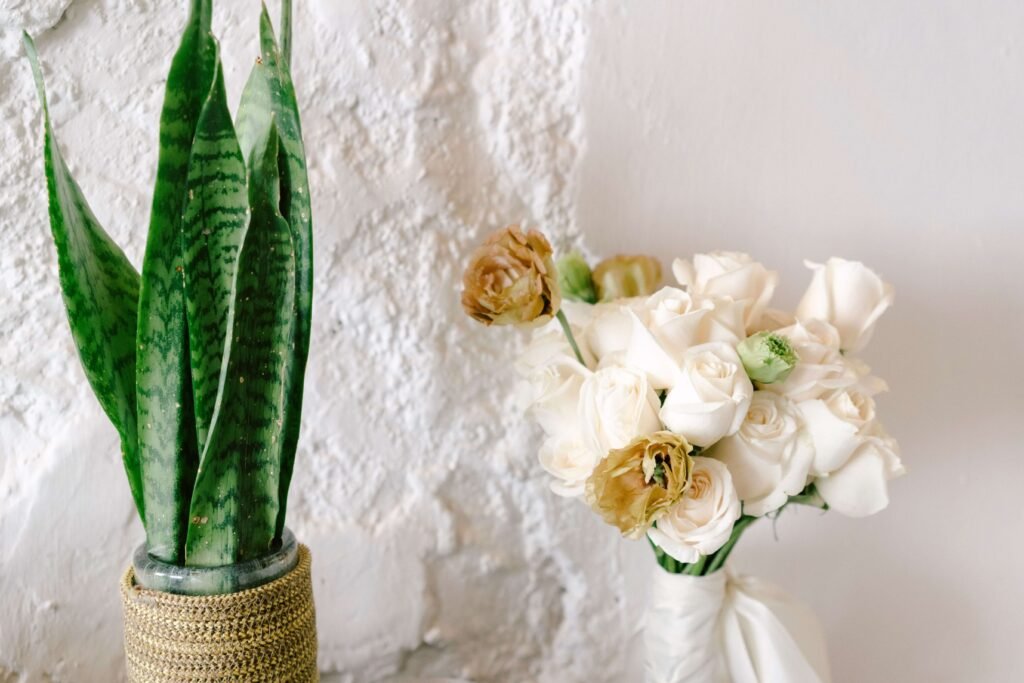
The snake plant is one of the most popular choices for beginners, and it’s easy to understand why. Its tall, upright leaves create an elegant appearance that works beautifully in modern interiors.
One of its biggest advantages is its ability to tolerate lower-light conditions. It also stores water in its thick leaves, meaning it doesn’t need frequent watering.
Care tips:
- Light: Low to bright indirect light.
- Watering: Allow the soil to dry completely between waterings.
- Soil: Well-draining potting mix.
- Best location: Bedrooms, living rooms, and corners.
Important: Snake plants are toxic to cats and dogs if eaten.
2. Pothos (Epipremnum aureum)
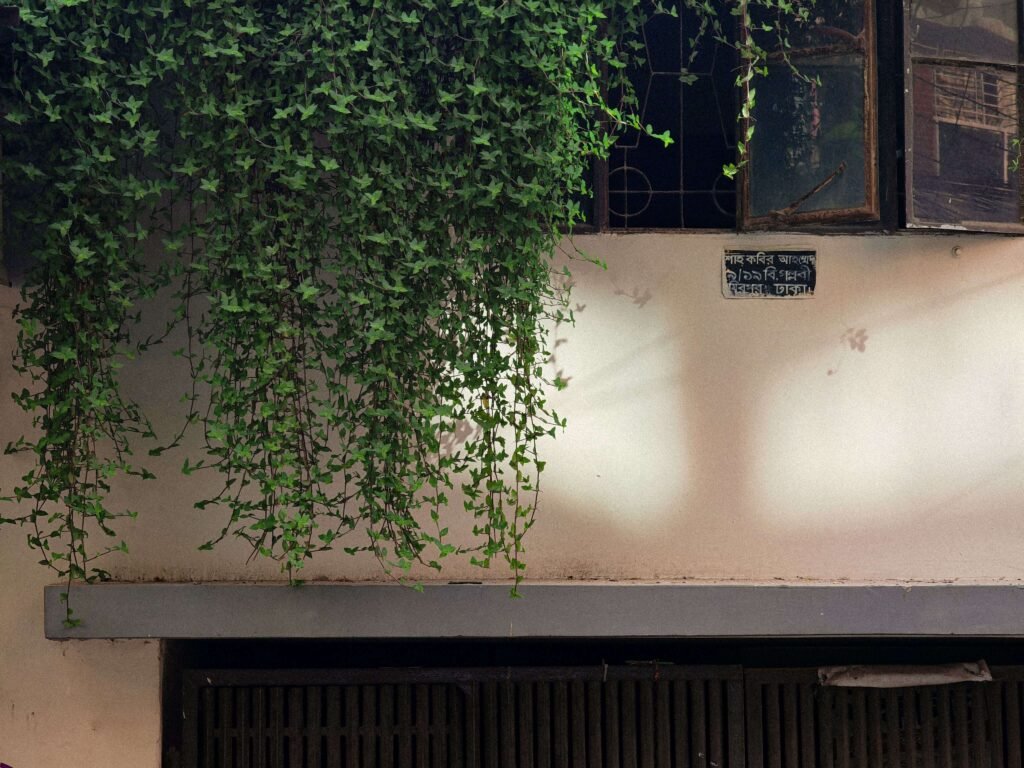
Pothos is a fantastic houseplant for anyone who loves cascading greenery. Its heart-shaped leaves grow along long trailing vines, making it perfect for shelves, hanging baskets, and plant stands.
It is also relatively forgiving when it comes to watering. If you’re looking for a plant that can add greenery without demanding too much attention, pothos is an excellent option.
Care tips:
- Light: Bright indirect light, although it tolerates lower light.
- Watering: Water when the top layer of soil feels dry.
- Soil: Well-draining indoor potting mix.
- Best location: Shelves, bookcases, and hanging planters.
Important: Pothos is toxic to cats and dogs.
3. Spider Plant (Chlorophytum comosum)
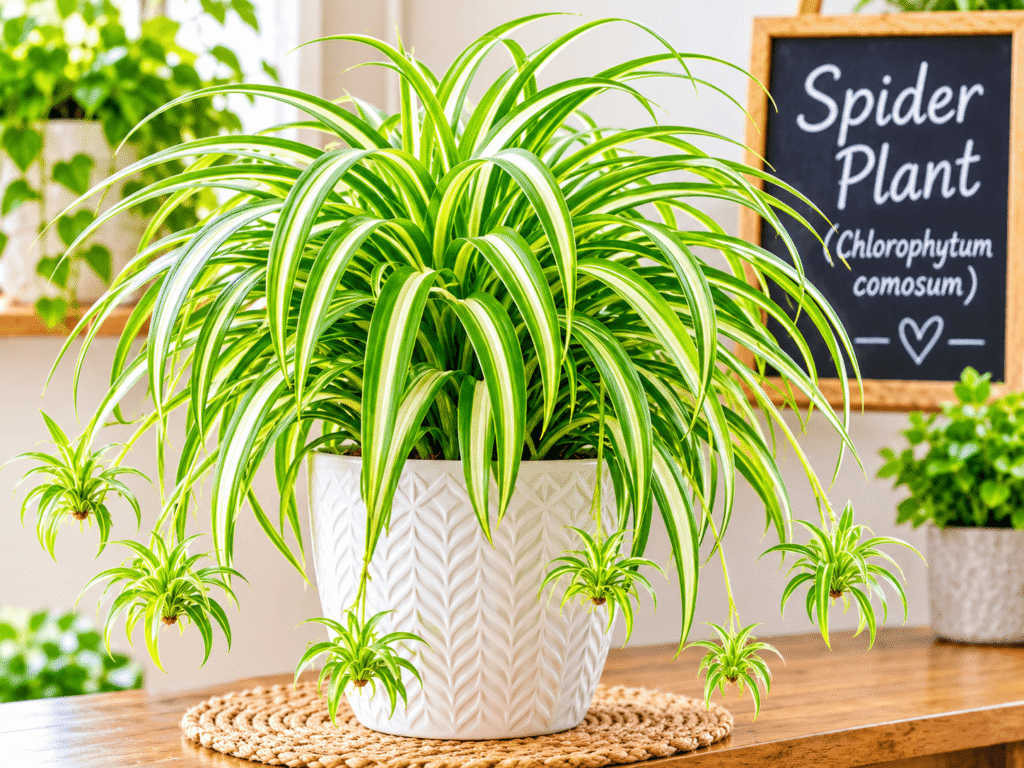
Spider plants are known for their attractive arching leaves and small baby plants that grow from long stems. Their fresh green-and-white appearance makes them a lovely addition to kitchens, bedrooms, and living spaces.
They’re also easy to propagate, allowing you to grow new plants from the small offshoots.
Care tips:
- Light: Bright indirect light.
- Watering: Water when the top inch of soil becomes dry.
- Soil: Well-draining potting mix.
- Best location: Hanging baskets and shelves.
Spider plants are generally considered non-toxic to cats and dogs.
4. ZZ Plant (Zamioculcas zamiifolia)
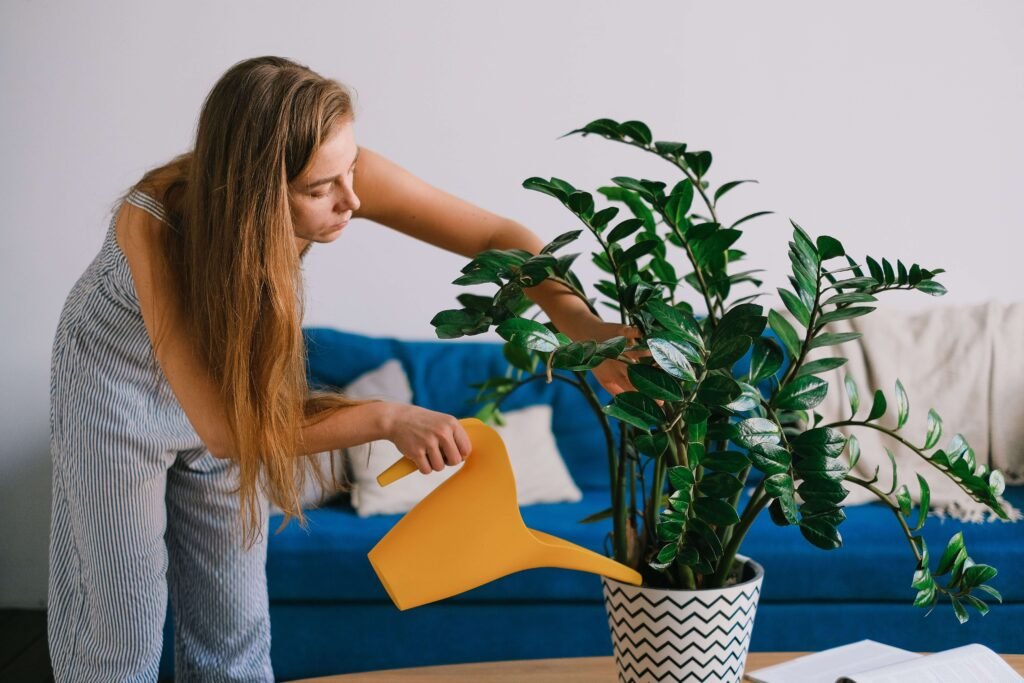
If you sometimes forget to water your plants, the ZZ plant may be a good match. It has thick stems and glossy leaves that give it a sophisticated appearance.
Its underground rhizomes store water, helping the plant tolerate periods of dryness.
Care tips:
- Light: Low to bright indirect light.
- Watering: Allow the soil to dry between waterings.
- Soil: Well-draining potting mix.
- Best location: Home offices, living rooms, and shaded corners.
Important: ZZ plants are toxic if ingested and should be kept away from children and pets.
5. Peace Lily (Spathiphyllum)
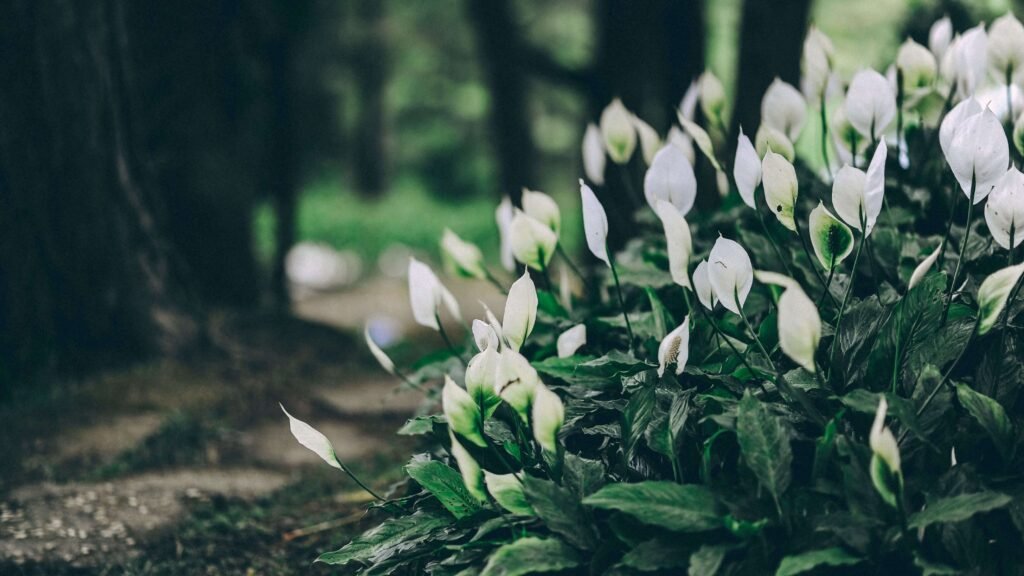
Peace lilies are admired for their deep green leaves and elegant white flowers. They bring a fresh, graceful look to indoor spaces and can be a beautiful addition to a living room or bedroom.
Unlike some other beginner plants, peace lilies appreciate consistently slightly moist soil, so checking their moisture regularly is important.
Care tips:
- Light: Medium to bright indirect light.
- Watering: Water when the surface of the soil begins to dry.
- Soil: Moisture-retaining but well-draining mix.
- Best location: Living rooms and bright bedrooms.
Important: Peace lilies are toxic to cats and dogs.
6. Monstera Deliciosa
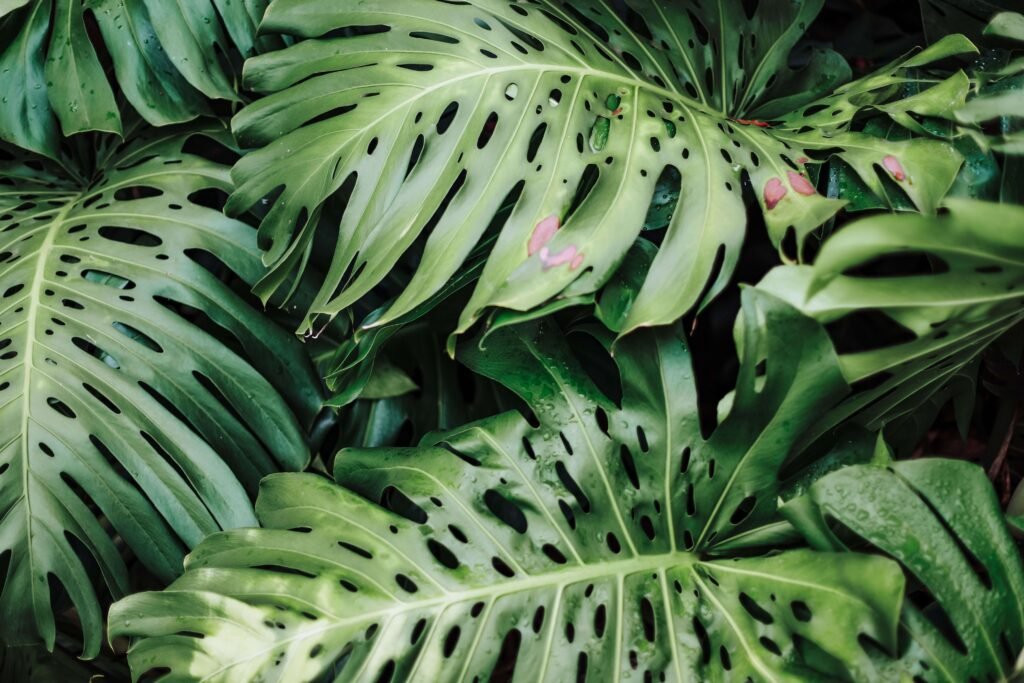
Monstera deliciosa is a favorite among indoor plant enthusiasts because of its large, distinctive leaves. As the plant matures, its foliage develops natural splits and holes that create a striking tropical appearance.
It grows well indoors when provided with enough indirect light and room to spread.
Care tips:
- Light: Bright indirect light.
- Watering: Water when the top layer of soil dries.
- Soil: Airy, well-draining potting mix.
- Best location: Spacious living rooms and bright corners.
Important: Monstera is toxic to cats and dogs.
7. Aloe Vera
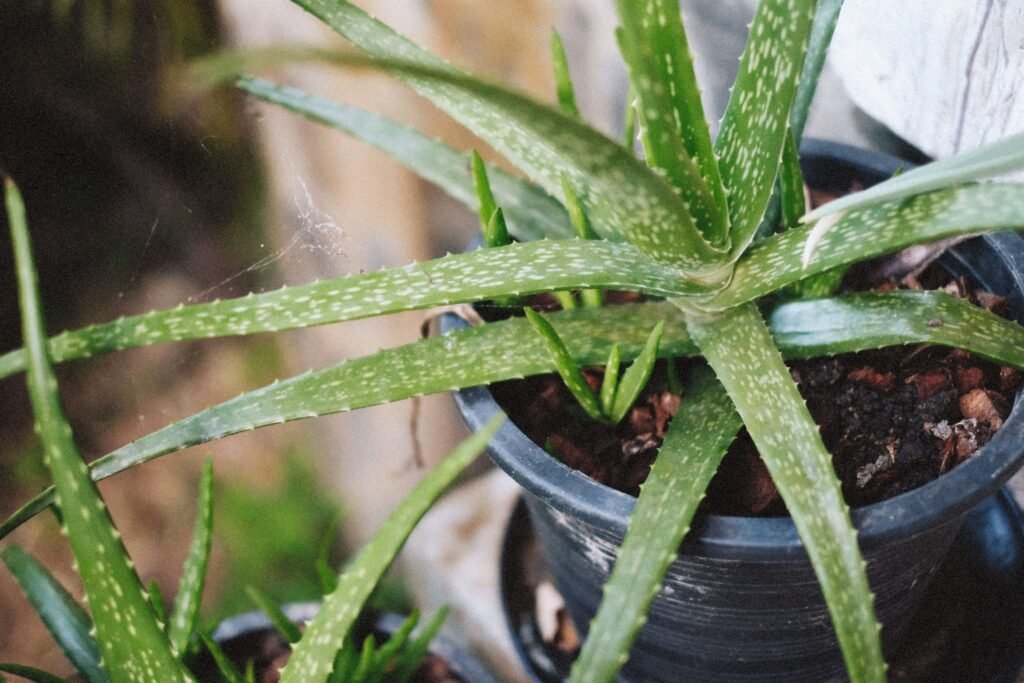
Aloe vera is a popular succulent with thick, fleshy leaves. Its distinctive shape makes it an attractive choice for windowsills, kitchen counters, and small decorative spaces.
Like many succulents, aloe vera prefers plenty of light and soil that dries between waterings.
Care tips:
- Light: Bright light with some direct sunlight.
- Watering: Let the soil dry completely before watering again.
- Soil: Cactus or succulent potting mix.
- Best location: Bright windowsills.
8. Jade Plant (Crassula ovata)
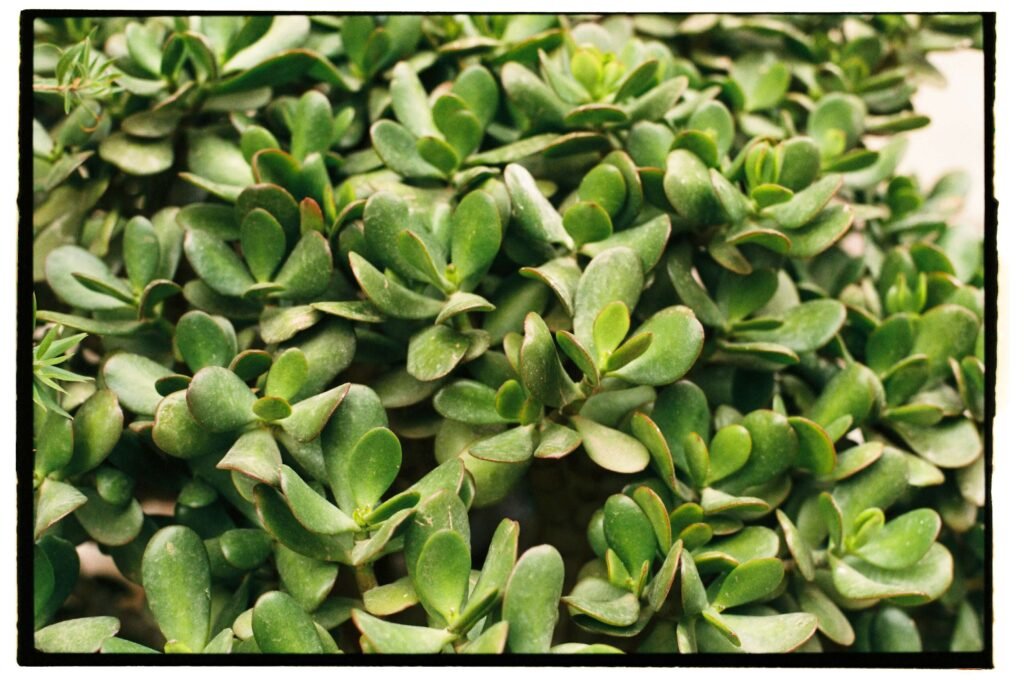
The jade plant is a charming succulent with thick branches and rounded green leaves. With proper care, it can develop into a small tree-like plant that looks beautiful on desks and shelves.
It grows slowly, making it a good option for people who prefer plants that don’t need frequent repotting.
Care tips:
- Light: Bright light, including some direct sunlight.
- Watering: Allow the soil to dry between waterings.
- Soil: Well-draining succulent mix.
- Best location: Sunny windowsills and desks.
Important: Jade plants are toxic to cats and dogs.
9. Rubber Plant (Ficus elastica)
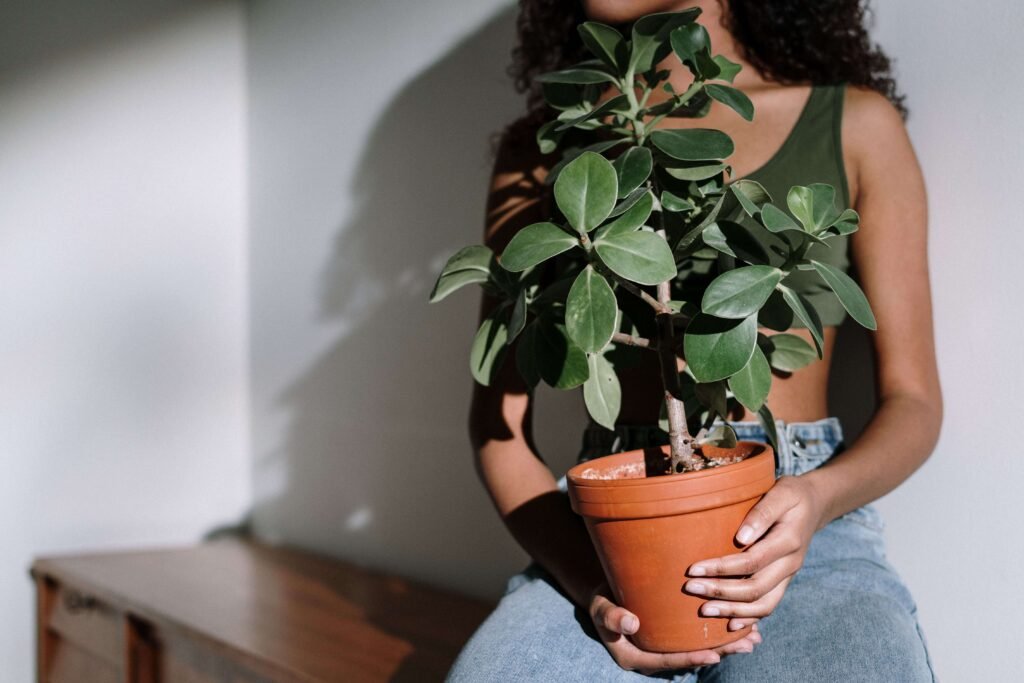
If you want a plant with bold foliage, the rubber plant is worth considering. Its large, glossy leaves can make a beautiful statement without requiring complicated maintenance.
It generally prefers a stable indoor environment with good indirect light.
Care tips:
- Light: Bright indirect light.
- Watering: Water when the upper soil becomes dry.
- Soil: Well-draining indoor potting mix.
- Best location: Living rooms and bright spaces.
Important: Rubber plants are toxic to cats and dogs.
10. Cast Iron Plant (Aspidistra elatior)
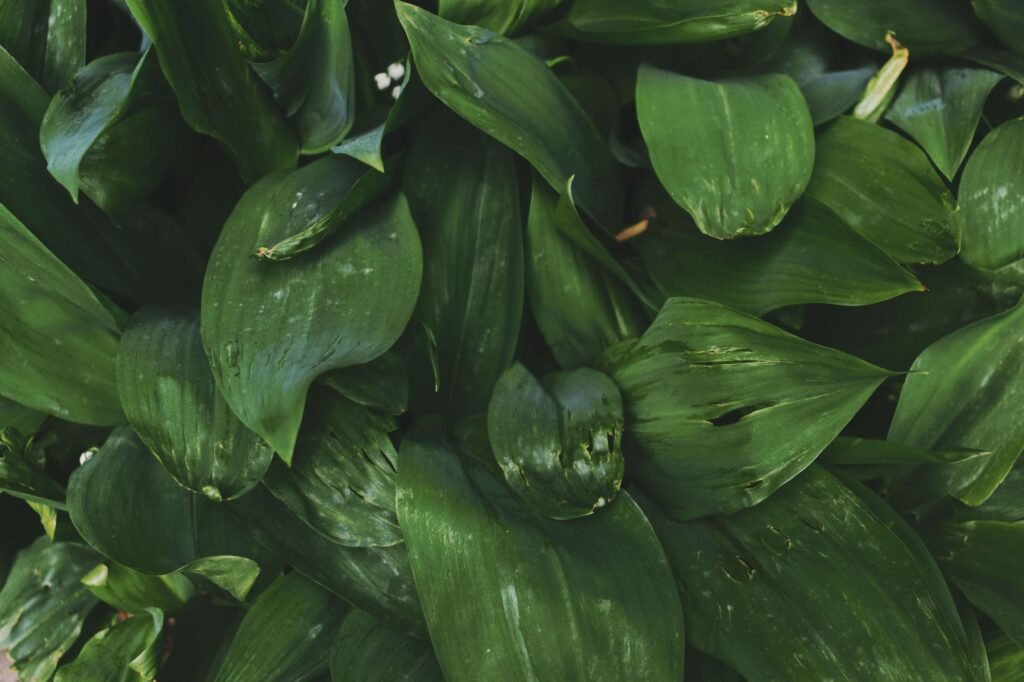
True to its name, the cast iron plant is known for its resilience. It tolerates lower-light conditions and is generally less demanding than many decorative houseplants.
Its long, dark green leaves provide a simple, timeless look.
Care tips:
- Light: Low to medium indirect light.
- Watering: Allow the top layer of soil to dry.
- Soil: Well-draining potting mix.
- Best location: Hallways and shaded rooms.
11. Chinese Evergreen (Aglaonema)
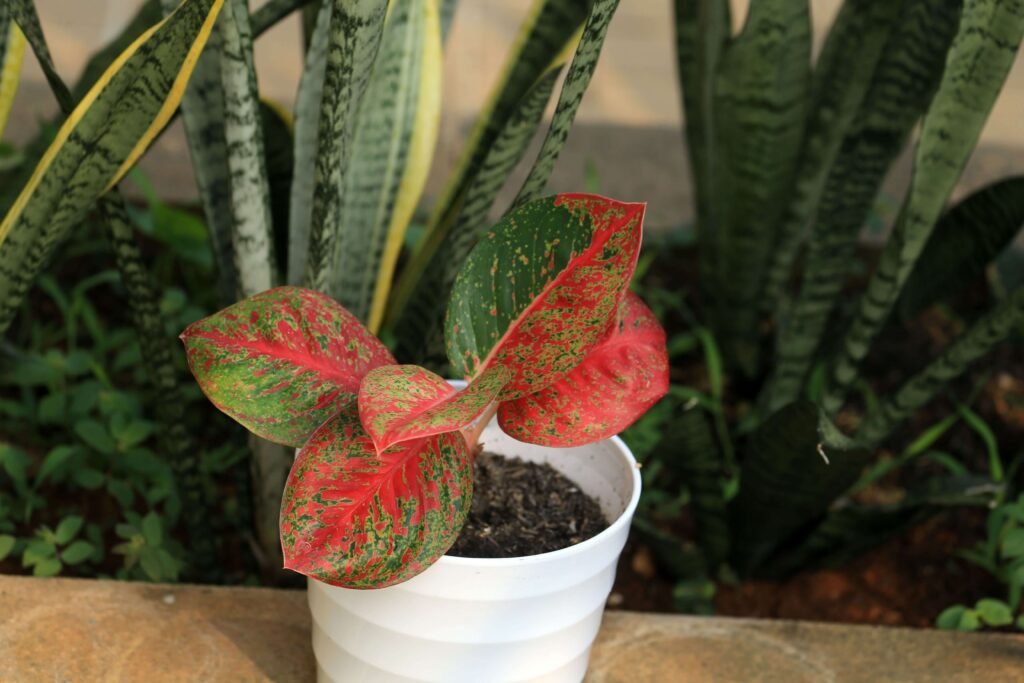
Chinese evergreen plants are loved for their attractive foliage, which can feature shades of green, silver, pink, or red depending on the variety.
They adapt to many indoor environments and are particularly attractive when you want something more colorful than traditional green foliage.
Care tips:
- Light: Medium to bright indirect light, depending on variety.
- Watering: Water when the upper soil begins to dry.
- Soil: Well-draining potting mix.
- Best location: Living rooms and home offices.
Important: Chinese evergreen is toxic to pets.
12. Heartleaf Philodendron
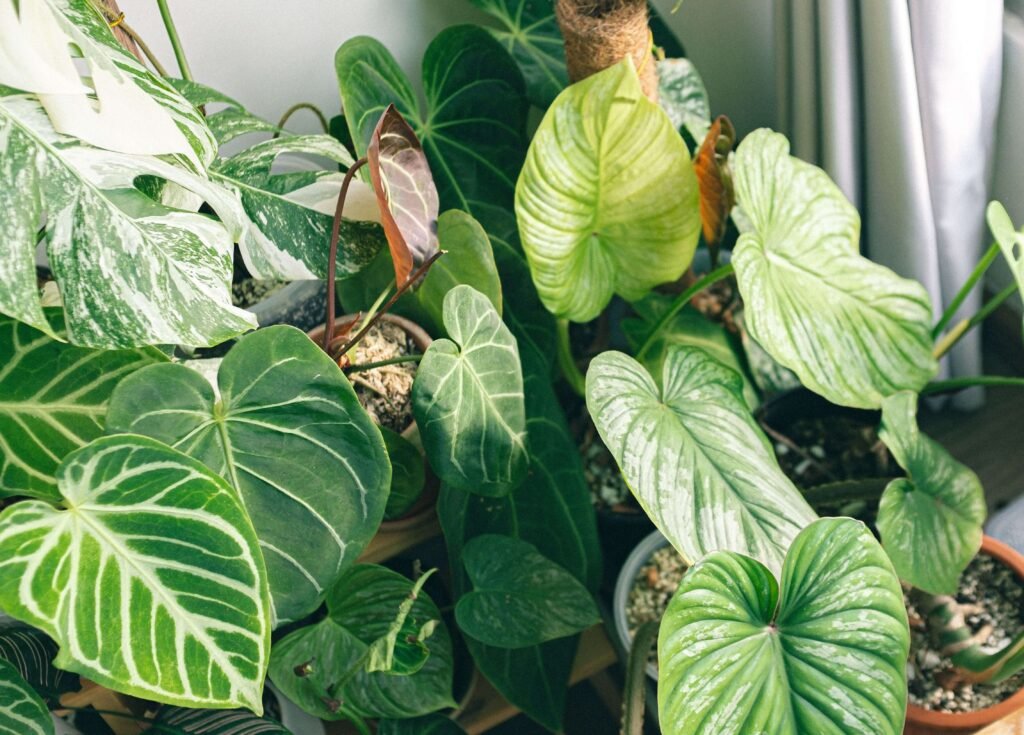
The heartleaf philodendron is an excellent option for anyone who enjoys trailing plants. Its delicate heart-shaped leaves grow along flexible vines, creating a soft and natural decorative effect.
It is relatively easy to maintain and can be propagated from stem cuttings.
Care tips:
- Light: Medium to bright indirect light.
- Watering: Water when the top layer of soil dries.
- Soil: Light, well-draining potting mix.
- Best location: Hanging baskets and shelves.
Important: Philodendrons are toxic to cats and dogs.
13. Parlor Palm (Chamaedorea elegans)
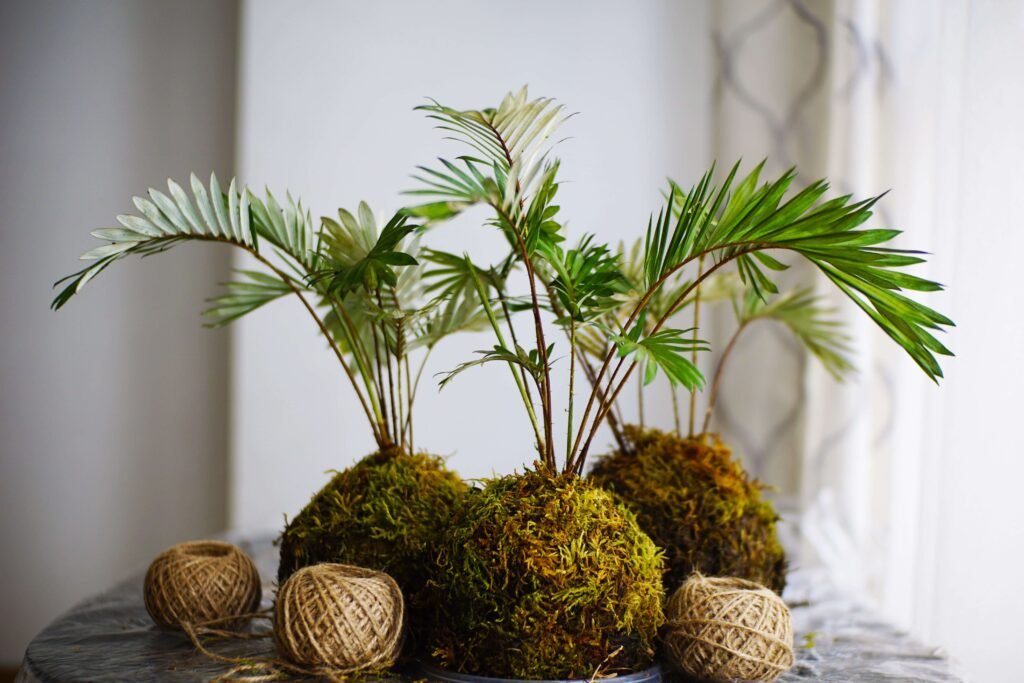
The parlor palm is a classic indoor plant with delicate, feather-like leaves. Its compact growth makes it suitable for apartments, bedrooms, and smaller living areas.
It can tolerate lower light than many other palms, although it generally grows better with bright indirect light.
Care tips:
- Light: Low to bright indirect light.
- Watering: Keep the soil lightly moist but not soggy.
- Soil: Well-draining potting mix.
- Best location: Bedrooms and living rooms.
Parlor palms are generally considered pet-friendly.
14. Bird of Paradise (Strelitzia)
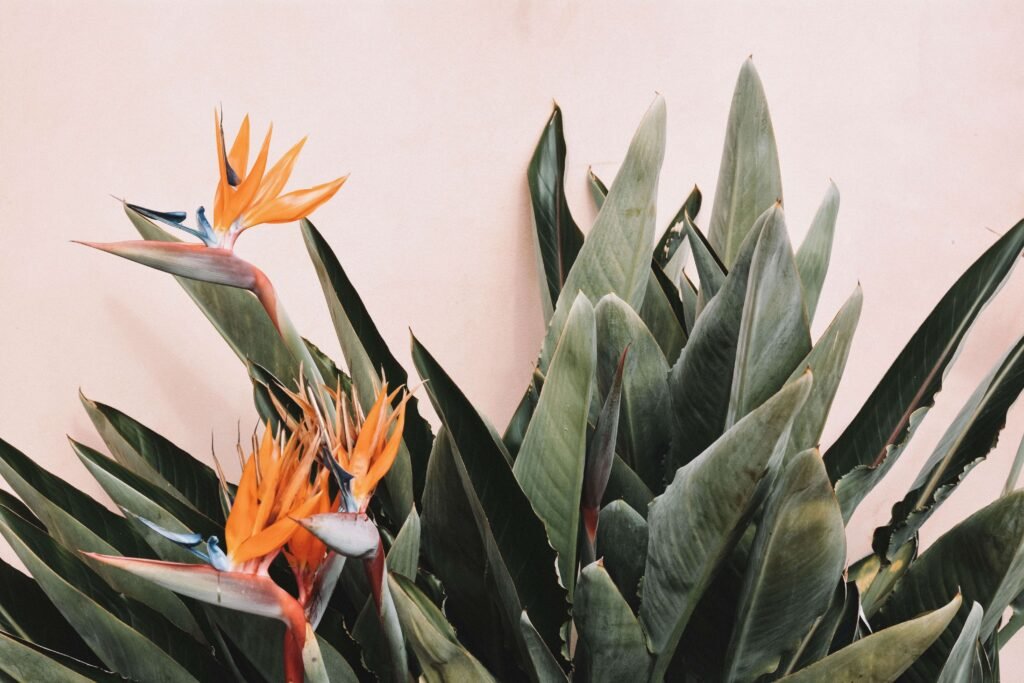
Bird of Paradise is an impressive indoor plant with large, tropical leaves. It is especially suitable for people who want to create a bold, botanical atmosphere.
Although it needs more light and space than many beginner plants, its care routine is manageable when its growing conditions are suitable.
Care tips:
- Light: Very bright indirect light and some direct sun.
- Watering: Water when the upper soil becomes dry.
- Soil: Rich, well-draining potting mix.
- Best location: Large, bright living spaces.
15. Haworthia
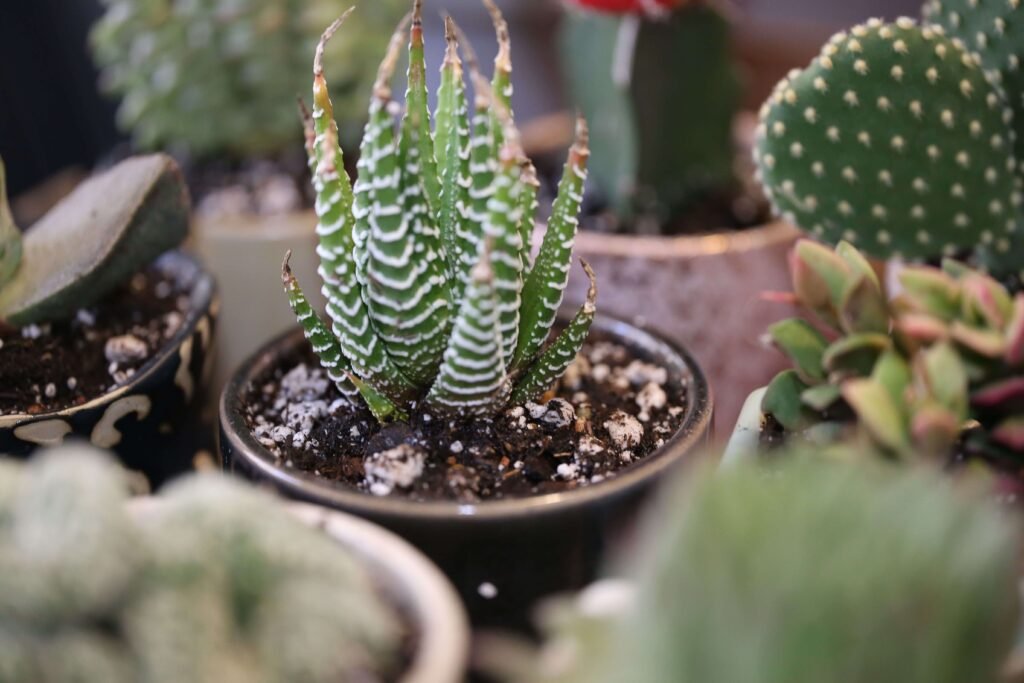
Haworthia is a small succulent that works beautifully on desks, shelves, and windowsills. Its compact size and interesting leaf patterns make it a great option for people with limited space.
It doesn’t need frequent watering and is relatively easy to care for.
Care tips:
- Light: Bright indirect light.
- Watering: Allow the soil to dry completely between waterings.
- Soil: Cactus or succulent mix.
- Best location: Desks, shelves, and windowsills.
Haworthia is generally considered non-toxic to cats and dogs.
How to Choose the Right Indoor Plant for Your Home
Not every plant will thrive in every room. Before buying a new houseplant, consider the conditions in your home.
1. Consider the Available Light
Lighting is one of the most important factors in plant growth.
- Bright indirect light: Ideal for plants such as Monstera, pothos, and rubber plants.
- Low-light areas: Consider cast iron plants and ZZ plants.
- Sunny windowsills: Aloe vera and jade plants generally appreciate brighter conditions.
Remember that low-light tolerant doesn’t mean no-light tolerant. Every plant needs some light to grow.
2. Think About Your Watering Routine
If you have a busy schedule, choose plants that tolerate occasional dry soil, such as snake plants, ZZ plants, and succulents.
If you enjoy checking your plants regularly, peace lilies and parlor palms may be more suitable.
Avoid watering according to a fixed calendar. Check the soil first because indoor conditions can change how quickly it dries.
3. Choose Plants That Fit Your Space
Small plants such as Haworthia and aloe vera are ideal for desks and windowsills. Trailing varieties like pothos work beautifully on shelves, while Monstera and Bird of Paradise are better suited to larger rooms.
4. Check Pet Safety
If you share your home with cats or dogs, always check whether a plant is toxic before bringing it inside.
Spider plants, parlor palms, and Haworthia are generally considered safer options, while pothos, snake plants, and Monstera should be kept away from pets.
5 Essential Indoor Plant Care Tips for Beginners
Even easy-care plants need a few basic things to stay healthy. Follow these simple habits to help your indoor garden thrive.
1. Don’t overwater your plants.
Overwatering is a common problem for beginners. Too much moisture can damage roots and encourage root rot. Always check the soil before watering.
2. Use pots with drainage holes.
Good drainage helps excess water escape and prevents the roots from sitting in soggy soil.
3. Clean dusty leaves regularly.
Dust can accumulate on leaves over time. Gently wipe larger leaves with a soft, damp cloth to keep them clean.
4. Rotate your plants occasionally.
Plants often grow toward their light source. Turning the pot occasionally can encourage more balanced growth.
5. Watch for changes in your plants.
Yellow leaves, drooping foliage, and unusual spots can indicate that something needs attention. Check the light, watering routine, soil, and pests before making changes.
Frequently Asked Questions About Indoor Plants
What is the easiest indoor plant for beginners?
Snake plants and ZZ plants are among the easiest indoor plants for beginners because they tolerate periods of dry soil and a range of indoor lighting conditions.
Which indoor plants need the least sunlight?
ZZ plants, cast iron plants, and parlor palms can tolerate lower-light indoor environments. However, they still need some natural or suitable artificial light.
How often should I water indoor plants?
There is no universal watering schedule. It depends on the plant variety, pot size, soil, temperature, and light conditions. Check the soil before watering.
What are the best indoor plants for small apartments?
Spider plants, pothos, Haworthia, aloe vera, and parlor palms are excellent choices for smaller spaces because they can fit comfortably on shelves, desks, and windowsills.
Are indoor plants safe for pets?
Some are, but others can be toxic to cats and dogs. Spider plants, parlor palms, and Haworthia are generally considered pet-friendly. Always check the exact plant species before purchasing.
Can indoor plants grow without direct sunlight?
Yes. Many houseplants grow well in bright indirect light and don’t need direct sunlight. However, no plant can grow indefinitely without an adequate light source.
Final Thoughts
Starting an indoor garden doesn’t have to be complicated. With the right plants and a few simple care habits, anyone can enjoy the beauty of greenery at home.
From the easygoing snake plant to the elegant Monstera and the trailing pothos, there are plenty of beginner-friendly options to explore.
Start with one or two plants, learn what they need, and gradually expand your collection. Before long, you’ll have a greener, more welcoming space that reflects your personal style.