Everything About Plants – Care, Tips & Green Inspiration

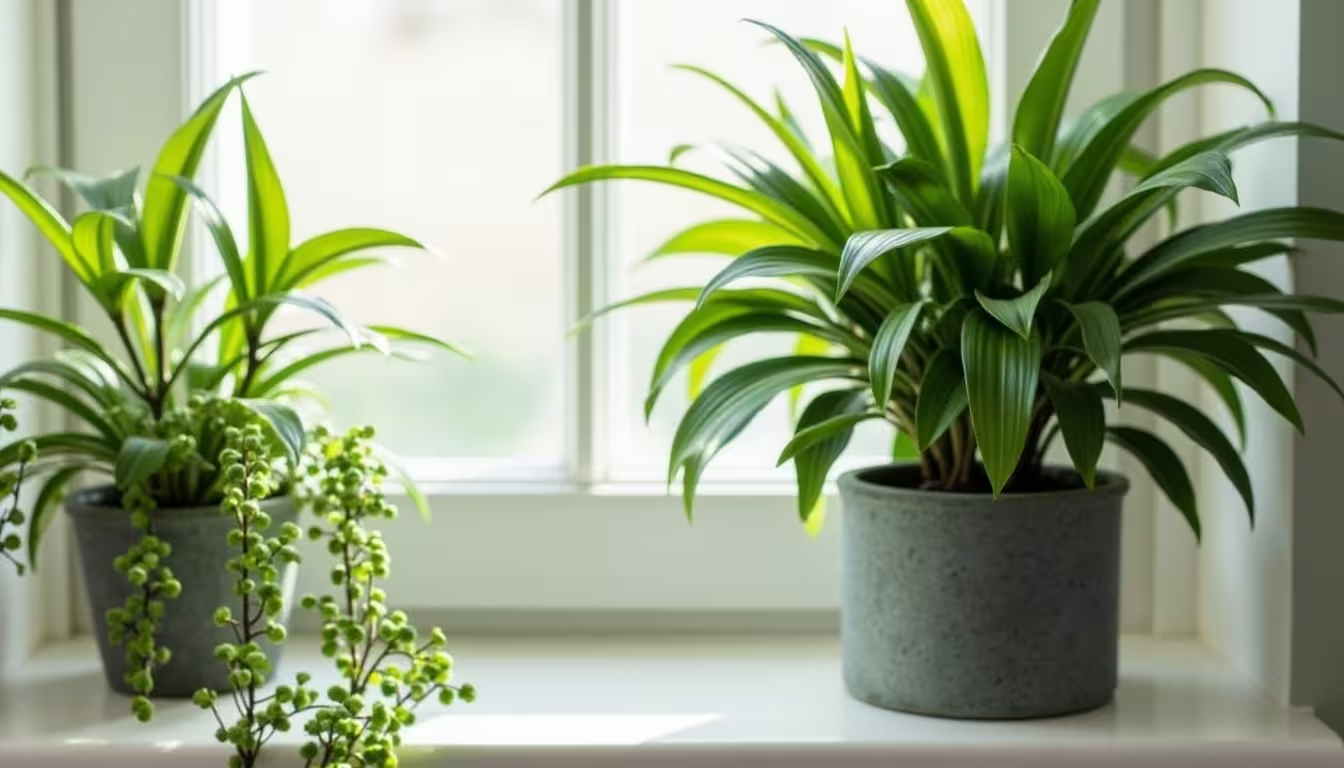
7 Amazing Dracena Plant Care Secrets for Thriving Indoor Greenery
This guide will explore the essential components of successful dracena plant care
Table of Contents
I. Introduction: Unlocking the Secrets to Thriving Dracena Plant Care
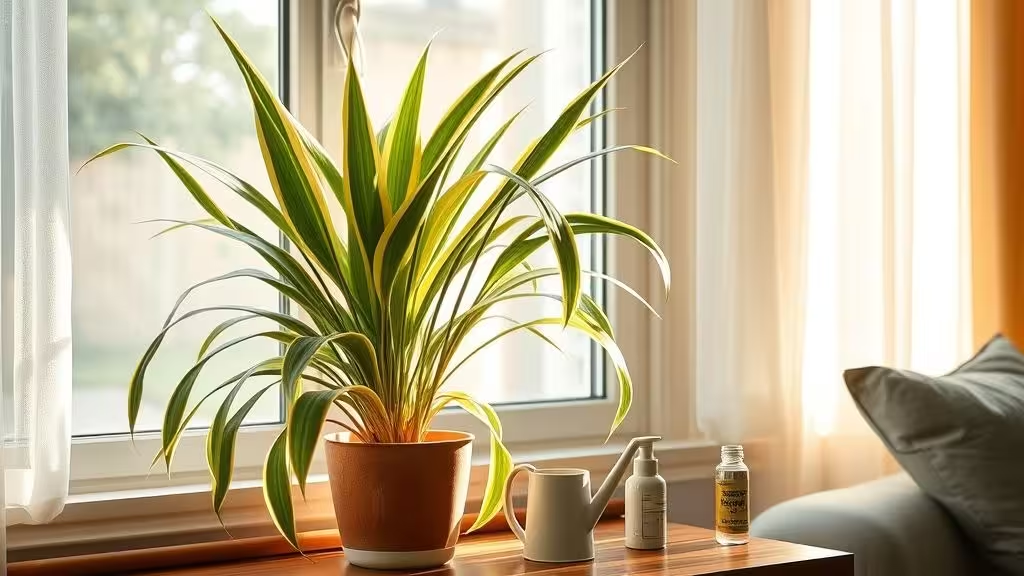
Dracaena plants, with their diverse foliage and striking silhouettes, have long been cherished additions to indoor spaces. Their widespread appeal stems from a remarkable combination of resilience and adaptability, making them an excellent choice for both seasoned plant enthusiasts and those just beginning their green thumb journey. These plants are known for their ability to thrive across a spectrum of light conditions, from dimly lit corners to bright, indirect spots, offering versatility for nearly any home or office environment.
Beyond their aesthetic appeal, many Dracaena varieties actively contribute to healthier living spaces by purifying indoor air, removing common pollutants and enhancing overall air quality. This natural air-cleansing ability, combined with their generally low-maintenance nature, positions them as a highly rewarding choice for individuals seeking lush, tropical greenery without the constant demands of more finicky plants. The inherent hardiness of Dracaenas means they can forgive occasional lapses in attention, such as a forgotten watering session, making them particularly well-suited for busy households. This forgiving characteristic is a significant advantage, as it reduces the pressure on new plant parents and builds confidence in their caretaking abilities.
To truly cultivate a thriving Dracaena, understanding its fundamental requirements is paramount. This guide will explore the essential components of successful dracena plant care: providing consistent, indirect light; mastering appropriate watering techniques to prevent soggy soil; maintaining suitable humidity levels; selecting the right soil and knowing when to repot; and understanding the nuances of fertilization, pruning, and propagation. By delving into each of these areas, a comprehensive understanding of how to nurture these beautiful plants will emerge.
II. Discovering Your Dracaena: Common Species and Their Unique Needs
The Dracaena genus encompasses an astonishing array of species, each offering distinct visual characteristics and subtle variations in their care preferences. This diversity ensures that there’s a Dracaena perfectly suited for almost any indoor aesthetic or care routine.
Among the most popular varieties is the Corn Plant (Dracaena fragrans ‘Massangeana’), easily recognized by its broad, glossy green leaves adorned with a prominent central yellow stripe. This variety is particularly favored for its ability to flourish even in lower light conditions, making it a staple in homes and offices. The Dragon Tree (Dracaena marginata) stands out with its slender, arching leaves often edged in vibrant red, presenting a more architectural form. Its durability and minimal watering needs make it an excellent choice for beginners. Cultivars like ‘Colorama’ and ‘Tricolor’ further enhance its appeal with striking pink and cream variegation.
For those seeking a symbol of good fortune, Lucky Bamboo (Dracaena sanderiana) is a resilient and easy-to-care-for plant, often styled in intricate arrangements and grown in water, though it adapts well to soil too. The Song of India (Dracaena reflexa ‘Variegata’) captivates with its bright green leaves featuring creamy-yellow edges, requiring bright, indirect light to maintain its vibrant coloration.
Other notable varieties include ‘Lemon Lime’ (Dracaena fragrans ‘Lemon Lime’) which brightens interiors with its bold, striped foliage , and ‘Hawaiian Sunshine’ (Dracaena deremensis), a variety that can tolerate higher light levels than most Dracaenas. Lastly, the ubiquitous Snake Plant (Dracaena trifasciata, formerly Sansevieria trifasciata), is celebrated for its upright, sword-like leaves and exceptional air-purifying capabilities, thriving even in very low light.
While Dracaenas are broadly known for their low-maintenance qualities, a closer look at these individual species reveals a spectrum of specific needs. For instance, the Snake Plant can endure very low light and requires infrequent watering, especially during winter , whereas the ‘Hawaiian Sunshine’ can handle more light but benefits from more consistent moisture. This means that while the general principles of dracena plant care apply across the genus, optimizing a plant’s health and visual appeal often depends on recognizing and responding to the particular preferences of its species. Understanding these subtle distinctions allows a plant enthusiast to select a Dracaena that aligns perfectly with their home environment and their level of commitment, ensuring the plant can truly flourish.
To provide a quick reference for these varied needs, the table below summarizes the care preferences for some of the most common Dracaena species.
| Dracaena Species (Common Name / Botanical Name) | Light Preference | Watering Frequency/Soil Moisture | Humidity Preference | Typical Indoor Height | Key Distinguishing Feature/Note |
|---|---|---|---|---|---|
| Corn Plant (Dracaena fragrans ‘Massangeana’) | Bright, indirect; tolerates low light | Evenly moist; allow top inch dry | Moderate | Up to 6 feet | Bold central yellow stripe; good for offices |
| Dragon Tree (Dracaena marginata) | Bright, indirect; tolerates lower light | Allow top inch dry; drought-tolerant | Average household | 5-7 feet | Narrow, arching leaves with red edges; durable |
| Lucky Bamboo (Dracaena sanderiana) | Bright, indirect; tolerates low light | In water: change weekly; In soil: top layer dry | Moderate | 1-3 feet | Famed for resilience and ease of care; symbol of good fortune |
| Song of India (Dracaena reflexa ‘Variegata’) | Bright, indirect (for vibrant color) | Regular watering, keep lightly moist | High | 3-6 feet | Striking green with creamy-yellow edges |
| Janet Craig / Lemon Lime (Dracaena fragrans ‘Lemon Lime’) | Bright, indirect; tolerates low light | Water when top inch dry; good drainage | Average household | 3-6 feet | Vibrant stripes of lemon, lime, and green |
| Hawaiian Sunshine (Dracaena deremensis) | Well-lit (direct/indirect); shield from direct sun | Keep soil moist, avoid soggy | Prefers humid, adaptable to lower | Varies, up to 18 inches | Tolerates higher light; vulnerable to root rot |
| Snake Plant (Dracaena trifasciata) | Partial shade (2-6 hrs direct); tolerates very low light | Allow soil to dry completely; very infrequent in winter | Tolerates low humidity | Varies, up to 18 inches | Air purifier; very durable |
III. The Core of Dracena Plant Care: Light, Water, and Humidity
Mastering the environmental conditions of light, water, and humidity forms the bedrock of successful dracena plant care. These three factors are deeply interconnected, and a careful balance among them is key to preventing common issues and promoting robust growth.
Illuminating Your Dracaena: Light Requirements
Dracaenas generally flourish when placed in bright, indirect sunlight. This ideal setting mimics their natural habitat on the forest floor, where they receive filtered light through a canopy of trees. Placing a Dracaena near an east or north-facing window, or a few feet back from a south or west-facing window with a sheer curtain to diffuse the sun’s intensity, provides the perfect illumination. Direct, harsh sunlight, particularly the intense afternoon sun, can be detrimental, leading to scorched leaves, manifesting as unsightly brown spots or bleached-out, faded foliage.
One of the most appealing attributes of Dracaenas is their remarkable tolerance for lower light conditions. While growth may slow considerably and the vibrant variegation on certain species might diminish in dimmer spots, many varieties, including the popular Corn Plant and Dragon Tree, can still survive and even thrive in less-than-ideal light. The Snake Plant (Dracaena trifasciata) stands out in this regard, demonstrating exceptional adaptability to very low light levels.
When a Dracaena exhibits signs of distress related to light, a careful assessment of its placement is necessary. Pale, bleached leaves or distinct brown spots on the foliage often indicate that the plant is receiving too much direct light. In such cases, relocating the plant to a more shaded or indirectly lit area will typically resolve the issue. Conversely, if a Dracaena shows signs of stunted growth, produces unusually small new leaves, or if its vibrant variegation begins to fade, it may be signaling a lack of sufficient light. Moving the plant closer to a window that provides brighter, indirect light can help revitalize it.
The Art of Watering: Hydrating Your Dracena Plant Care
Watering is perhaps the most critical aspect of dracena plant care, and it’s where many common problems originate. The fundamental rule is to allow the top 1-2 inches of soil to dry out completely before watering again. This practice is essential because Dracaenas are highly susceptible to “wet feet,” a condition where roots sit in standing water, leading to rot. When watering, it is important to do so thoroughly, allowing water to drain freely from the pot’s drainage holes. Any excess water collected in the saucer should be emptied within 30 minutes to prevent the plant from reabsorbing it and sitting in stagnant moisture.
Overwatering is, in fact, the most frequent cause of demise for Dracaena plants. The signs of overwatering are often distinct: yellowing leaves, particularly the older, lower ones, soft brown leaves, a mushy trunk, or a tell-tale rotting smell emanating from the soil. If root rot is suspected, immediate action is necessary: carefully remove the plant from its pot, inspect the roots for dark, mushy sections, trim away any affected parts with sterilized shears, and repot the plant in fresh, well-draining soil.
It is also important to remember that Dracaena growth naturally slows during the cooler fall and winter months, and their water requirements decrease significantly during this dormant period. Adjusting the watering frequency to allow the soil to dry out more thoroughly between sessions is crucial to prevent overwatering during these times.
Conversely, underwatering also presents its own set of problems. Brown leaf tips and edges are often the earliest indicators that a Dracaena is not receiving enough moisture or is in an excessively dry environment. Drooping or wilting leaves can also signal thirst, as the plant struggles to maintain turgor. If the soil feels bone dry to the touch, a deep watering should be provided, and the plant typically perks up within a few hours.
Beyond quantity and frequency, the quality of water used for dracena plant care plays a critical role. These plants are notably sensitive to fluoride, chlorine, and various salts commonly found in municipal tap water. Exposure to these chemicals can manifest as brown leaf tips, burnt edges, or general yellowing of the foliage. To mitigate this, consider using distilled water, collected rainwater, or allowing tap water to sit out uncovered for at least 24 hours. This allows chlorine and some fluoride to evaporate, making the water safer for your Dracaena.
The interconnectedness of light, water, and humidity means that a symptom like brown leaf tips, for example, could be caused by underwatering, low humidity, or fluoride toxicity. Similarly, yellow leaves can be a sign of overwatering, underwatering, or insufficient light. This overlap in symptoms underscores the importance of a holistic assessment when a Dracaena shows signs of distress. Instead of immediately assuming one cause, it is more effective to systematically review all environmental factors to accurately diagnose and address the problem.
Creating the Ideal Environment: Humidity and Temperature for Dracena Plant Care
Dracaenas are tropical plants, and as such, they thrive in warm, stable environments. Most species prefer average room temperatures, ideally ranging between 60-85°F (15-29°C). They are quite sensitive to cold drafts and abrupt temperature fluctuations, which can stress the plant and lead to yellowing or dropping leaves. It is advisable to keep them away from drafty windows, air conditioning units, and heating vents, which can create undesirable temperature swings. While most Dracaenas prefer these warmer conditions, some varieties like Dracaena draco and the Snake Plant (Dracaena trifasciata) exhibit a greater tolerance for cooler temperatures, down to around 50°F.
Regarding humidity, Dracaenas generally prefer moderate levels, ideally between 40-50%. While they can adapt to average household humidity, providing a little extra moisture can significantly boost their vitality and leaf vibrancy. Low humidity is a common culprit behind brown leaf tips and edges.
Several practical methods can help increase indoor humidity for your Dracaena. Regular misting of the leaves, especially during dry winter months, is a simple and effective way to provide immediate moisture. Another popular technique involves placing the plant’s pot on a pebble tray filled with water, ensuring the water level remains below the bottom of the pot. As the water evaporates, it creates a localized humid microclimate around the plant. Grouping several plants together can also naturally increase humidity through transpiration, creating a beneficial microclimate. For more consistent humidity, especially in very dry homes, a room humidifier can be an excellent investment.
IV. Nurturing Growth: Soil, Potting, and Fertilization for Dracena Plant Care
Providing the right foundation for your Dracaena’s roots is just as crucial as its light and water regimen. The choice of soil, appropriate potting practices, and a balanced fertilization schedule all contribute significantly to robust and healthy growth.
Building a Strong Foundation: Choosing the Right Soil Mix
The absolute cornerstone of successful dracena plant care when it comes to soil is excellent drainage. Without it, water can accumulate around the roots, depriving them of oxygen and quickly leading to root rot, the most common cause of Dracaena demise. An ideal potting mix typically includes components such as peat moss, perlite, vermiculite, or aged bark. These ingredients work in synergy to enhance drainage and aeration, while still retaining enough moisture to keep the roots lightly hydrated. Many commercial indoor potting mixes are suitable, especially those formulated to be less prone to fungus gnats.
Dracaenas also prefer a slightly acidic soil pH, ideally ranging between 6.0 and 6.5. Soil rich in organic matter is also beneficial, providing essential nutrients for sustained growth. For outdoor Dracaena cultivation, heavy clay soils should be amended with sand or compost to improve drainage, though they are adaptable to a range of soil pH levels. Regardless of the specific mix, ensuring that the chosen pot has ample drainage holes is non-negotiable.
Giving Room to Grow: Repotting Your Dracaena
Dracaenas are not particularly fast growers, so they typically require repotting only every 2-3 years. However, certain signs will indicate that your plant has outgrown its current home and needs more space. These include roots visibly growing out of the drainage holes, the soil drying out much more quickly than usual, a noticeable slowdown in growth, or the plant becoming top-heavy and unstable.
When it’s time to repot, selecting the correct pot size is crucial. Choose a new container that is only 1-2 inches larger in diameter than the current one. A common mistake in dracena plant care is using a pot that is too large, as this can lead to the soil retaining excessive moisture, thereby increasing the risk of root rot. To ease the repotting process and minimize stress on the plant, it’s a good practice to water your Dracaena thoroughly the day before.
The repotting process itself is straightforward: gently remove the plant from its old pot, taking care not to disturb the root ball more than necessary. If the roots are tightly circling, gently loosen them, and trim away any damaged or mushy roots. Add a layer of fresh, well-draining potting mix to the bottom of the new pot.
Position the plant so that the top of the root ball is about an inch below the rim of the new container, allowing space for watering without overflow. Fill in around the roots with more potting mix, gently tapping the pot to settle the soil and remove any air pockets. After repotting, water the plant thoroughly and place it in a shaded area for a few days to help it recover from the transplant shock.
Fueling the Foliage: Fertilization for Optimal Dracena Plant Care
Dracaenas are generally considered light feeders, meaning they don’t require heavy fertilization. However, providing a regular supply of nutrients, especially during their active growing season, can significantly enhance their vitality and lushness. They benefit from essential macronutrients: nitrogen (N) for vibrant foliage, phosphorus (P) for strong root development and energy transport, and potassium (K) for overall plant health and nutrient movement. A balanced, all-purpose liquid fertilizer, such as one with an NPK ratio of 10-10-10 or 2-2-2, is typically recommended.
The recommended fertilization schedule involves feeding your Dracaena monthly or every 4-8 weeks during its active growing season, which spans spring and summer. It is crucial to dilute liquid fertilizers to half the recommended strength to prevent root burn, a common issue from over-fertilization. As fall approaches and the plant’s growth naturally slows, fertilization should be reduced or stopped entirely during the dormant winter months. Always ensure the soil is damp before applying any fertilizer to prevent root damage. Popular choices include Miracle-Gro Indoor Plant Food or organic alternatives like FoxFarm Grow Big or Espoma Organic Indoor.
Observing your Dracaena for signs of nutrient imbalance is part of attentive dracena plant care. Under-fertilization can manifest as pale leaves, stunted growth, or leaf loss. Specific deficiencies might show as yellowing between leaf veins (iron deficiency), yellowing of older leaves (magnesium deficiency), or overall yellowing and stunted growth (nitrogen deficiency). Conversely, over-fertilization can cause brown leaf tips, general leaf burn, or a white crust forming on the soil surface due to salt buildup.
If over-fertilization is suspected, flushing the soil thoroughly with plenty of water can help wash away excess salts. The overarching principle here is that Dracaenas thrive on a “less is more” approach when it comes to nutrients, watering, and even pot sizing. Their drought-tolerant nature means they prefer to be on the drier side, and over-nurturing with too much water or fertilizer can quickly lead to problems like root rot or leaf burn. This conservative approach aligns with their low-maintenance reputation and is key to their long-term health.
V. Shaping and Expanding: Pruning and Propagation Techniques
Beyond basic sustenance, the ability to prune and propagate Dracaenas offers plant enthusiasts opportunities to shape their plants for aesthetic appeal and even multiply their greenery. These techniques are integral to comprehensive dracena plant care.
Maintaining Beauty: Pruning Your Dracaena
Pruning a Dracaena serves both health and aesthetic purposes. Regularly removing any brown, yellow, or damaged leaves is essential to keep the plant looking tidy and to reduce the risk of disease spread. Brown tips, often a sign of environmental stress, can be carefully snipped off, ensuring that only the discolored portion is removed, leaving the healthy green tissue intact. For those aiming for a polished, symmetrical appearance, leaves can be cut at an angle, following the natural shape of the existing foliage.
Strategic stem pruning is a powerful tool for managing the plant’s size and encouraging a bushier, fuller shape. If a Dracaena becomes too tall or develops a leggy appearance, cutting back the main stem can control its height and stimulate new growth. To achieve this, cut the top of the stem at a 45-degree angle to the desired height. Within a few months, new sprouts will typically emerge, often branching out just below the cut, resulting in a denser, more attractive plant. It is important to exercise caution and never remove more than one-third of the plant at any single pruning session to avoid causing excessive stress.
The optimal time for pruning Dracaenas is during their active growing season, typically in spring and summer. Pruning during this period allows the plant to recover quickly and channel its energy into producing vigorous new growth. Conversely, it is advisable to avoid significant pruning in fall and winter, when the plant’s growth naturally slows down.
Pruning is not merely a maintenance task; it actively stimulates the plant to produce new, fuller growth, transforming a leggy specimen into a more compact and aesthetically pleasing form. Furthermore, the sections removed during pruning are not waste. They represent a valuable opportunity for propagation, allowing the creation of new plants from existing material. This creates a rewarding cycle for plant enthusiasts: by maintaining the shape and health of their Dracaena, they are simultaneously generating new opportunities to expand their plant collection.
Multiplying Your Greenery: Dracaena Propagation Methods
Dracaenas are remarkably easy to propagate, making them a favorite for those looking to expand their indoor jungle or share their green passion. The most common and accessible method is through stem cuttings, which can be rooted in either water or soil.
For stem cuttings, begin by selecting a healthy stem section, ideally 4-8 inches long, ensuring it includes at least one or two leaf nodes, as these are the points from which new roots will emerge. Make a clean cut, either angled or straight, just below a node. Remove the lower leaves, leaving only 2-3 at the top to minimize moisture loss and direct energy towards root development. While optional, dipping the cut end in rooting hormone can accelerate root growth.
For water rooting, place the prepared cutting in a clear glass of clean, room-temperature water. It is important to change the water every few days or weekly to keep it fresh and prevent bacterial growth. Roots typically begin to form within 2-8 weeks. Once the roots are at least an inch long, the cutting can be transplanted into soil. A consideration with water rooting is that the longer cuttings remain in water, the more challenging their transition to soil can become, as they develop “water roots” that are less efficient at absorbing nutrients from soil.
For soil rooting, plant the cutting 1-2 inches deep into a small pot filled with a moist, well-draining potting mix. The soil should be kept lightly moist, but never waterlogged, to encourage root development without promoting rot. Place the potted cutting in a warm spot that receives bright, indirect light. Covering the cutting with a clear plastic bag can help maintain high humidity, creating a mini-greenhouse effect, but periodic ventilation is necessary to prevent mold growth.
For larger, leggy Dracaenas, air layering offers a more advanced but highly effective propagation method. This technique coaxes the parent plant to develop new roots on a section of its stem while it is still attached, ensuring the new plant has an established root system before being separated. To air layer, choose a healthy stem section where new roots are desired. Make an upward-slanting cut into the stem (about 1/3 to 2/3 of the way through) or, for woody stems, remove a ring of bark.
A small toothpick can be inserted into the cut to keep it open. Optionally, apply rooting hormone to the wounded area. Wrap the wounded section with moist sphagnum moss, then cover it tightly with clear plastic wrap, securing both ends to retain moisture. Monitor the moss regularly and mist it if it begins to dry out. Once roots are clearly visible and a few inches long (which can take anywhere from 2 weeks to 3 months), the stem can be cut below the new roots, and the newly rooted plant can be potted.
VI. Troubleshooting Common Dracena Plant Care Problems
Even with diligent dracena plant care, issues can arise. Understanding the signals your Dracaena sends and knowing how to interpret them is akin to becoming a plant detective, systematically investigating potential causes to find the right solution. Many Dracaena problems share overlapping symptoms, which emphasizes the need for a holistic assessment of environmental factors rather than jumping to a single conclusion.
Decoding Your Dracaena’s Distress Signals
- Yellowing Leaves: This is a common symptom with multiple potential causes. Most frequently, yellowing leaves, especially on older, lower foliage, indicate overwatering. However, underwatering, insufficient light, low humidity, or even nutrient deficiencies (such as iron, magnesium, or nitrogen) can also lead to yellowing. It is also important to note that the natural shedding of older, lower leaves as the plant grows is a normal part of its life cycle and not a cause for concern.
- Solutions: Adjusting watering frequency (allowing the top inch of soil to dry out between sessions) and ensuring good drainage are primary steps for overwatering. For underwatering, increasing the frequency of watering is necessary. If light is the issue, move the plant to a brighter, indirect light location. Increasing humidity and addressing specific nutrient deficiencies with a balanced fertilizer can also help.
- Brown Tips and Edges: This symptom is frequently observed and points to several environmental factors. Common causes include low humidity, underwatering, or the accumulation of fluoride, chlorine, and salts from municipal tap water. Over-fertilization can also lead to brown leaf tips.
- Solutions: To address low humidity, mist the leaves regularly, use a pebble tray, or employ a room humidifier. For water quality issues, switch to distilled or rainwater, or let tap water sit out overnight. Adjusting watering to ensure the top inch of soil dries out and reducing fertilizer application can also resolve browning tips.
- Drooping or Wilting Leaves: This symptom can be particularly concerning as it often signals a serious watering imbalance. It can be caused by either underwatering or overwatering, as both conditions stress the plant’s root system and ability to absorb water. Sudden environmental changes, such as drastic temperature fluctuations or the stress of relocation, can also lead to drooping.
- Solutions: Adjusting the watering schedule to ensure the soil partially dries out between waterings is crucial. If environmental shock is the cause, gradually acclimate the plant to its new surroundings and ensure stable temperatures, keeping it away from drafts.
- Stunted Growth and Fading Leaf Color: When a Dracaena seems to halt its growth or its vibrant leaf colors appear dull and faded, it often points to insufficient light, nutrient deficiency (under-fertilization), or the plant being root-bound. Pale or bleached leaves, specifically, can indicate too much direct light.
- Solutions: Relocate the plant to a brighter, indirect light location. If under-fertilization is suspected, fertilize monthly during the growing season with a balanced, diluted fertilizer. If the plant is root-bound, repotting into a slightly larger container with fresh soil will provide the necessary space for root expansion and renewed growth.
- Sudden Leaf Loss: While some natural shedding of older leaves is normal, a drastic or sudden loss of leaves indicates significant stress. This can be triggered by overwatering, underwatering, low humidity, insufficient light, pest infestations, diseases, or sudden environmental shocks like relocation or temperature fluctuations.
- Solutions: The key is to assess the overall environment. Check soil moisture and adjust watering accordingly. Increase humidity if the air is too dry, and ensure the plant is receiving appropriate light. Inspect for pests or diseases and treat as necessary. If a recent environmental change occurred, allow the plant time to adjust, maintaining consistent conditions.
Becoming adept at diagnosing Dracaena problems requires careful observation and a systematic approach. Since many symptoms can have multiple underlying causes, it is important to consider all environmental factors—light, water, humidity, temperature, soil, and nutrient levels—when troubleshooting. This “plant detective” approach enables accurate identification of the root cause, leading to more effective solutions and a healthier plant. The following table provides a quick reference for common problems and their potential fixes.
| Symptom | Most Common Causes | Quick Fixes |
|---|---|---|
| Yellowing Leaves | Overwatering, Underwatering, Low Light, Low Humidity, Nutrient Deficiency | Adjust watering; Increase humidity; Move to brighter indirect light; Fertilize (if deficient) |
| Brown Tips/Edges | Low Humidity, Underwatering, Fluoride/Chemicals in water, Over-fertilization | Increase humidity; Use filtered/distilled water; Adjust watering; Reduce fertilizer |
| Drooping/Wilting Leaves | Underwatering, Overwatering, Temperature Shock, Relocation Stress, Root Rot | Adjust watering; Ensure stable temperatures; Allow plant to acclimate; Check for root rot |
| Stunted Growth/Fading Color | Too Little Light, Nutrient Deficiency, Root-bound | Move to brighter indirect light; Fertilize; Repot |
| Sudden Leaf Loss | Overwatering, Underwatering, Low Humidity, Low Light, Pests/Diseases, Temperature Shock, Relocation Stress | Adjust watering; Increase humidity; Move to appropriate light; Inspect for pests/diseases; Allow time to adjust |
| Mushy Stem/Rotting Smell | Overwatering, Poor Drainage, Root Rot | Remove affected roots; Repot in fresh, well-draining soil; Drastically reduce watering |
Export to Sheets
VII. Protecting Your Investment: Pests and Diseases in Dracena Plant Care
While Dracaenas are generally robust and relatively pest-free, they are not entirely immune to common houseplant pests and diseases. Proactive measures and early detection are crucial in maintaining their health, reinforcing the importance of consistent dracena plant care.
Unwanted Guests: Identifying and Treating Common Pests
- Spider Mites: These tiny arachnids are identifiable by fine webbing on the plant, often accompanied by yellowing or speckled leaves. They thrive in dry conditions, especially in summer.
- Treatment: Increasing humidity around the plant is a primary deterrent. For active infestations, washing the plant with a strong spray of water can dislodge them. Insecticidal soap or neem oil are effective organic treatments. Predatory mites can also be introduced for biological control.
- Mealybugs: These appear as distinct white, cottony masses, typically clustered in leaf axils, on stems, or on the undersides of leaves. They suck sap, weakening the plant.
- Treatment: Manual removal with a cotton swab dipped in rubbing alcohol is effective for small infestations. For larger issues, insecticidal soap or neem oil can be applied. Systemic insecticides may be necessary for severe or persistent infestations.
- Aphids: Small, soft-bodied insects (green, black, brown, or pink) that typically feed in groups on the undersides of leaves and new growth. High-nitrogen fertilizers can encourage the tender growth that attracts them.
- Treatment: A gentle spray of water can dislodge them. Neem oil or insecticidal soap are also effective. Avoiding high-nitrogen fertilizers can help prevent future infestations.
- Scale Insects: These pests appear as small, hard, dome-shaped bumps attached firmly to stems and leaves, feeding on plant sap.
- Treatment: For tough infestations, gently scrape them off with an old toothbrush dipped in soapy water. Horticultural oil or insecticidal spray can also be applied. Ladybugs and parasitic wasps are natural predators that can help control outdoor populations.
- Thrips: These are extremely small, winged insects that feed on plant leaves, flowers, and buds, causing discoloration and distortion.
- Treatment: Washing the plant with a stream of water can help. Badly infested leaves should be cut off. Yellow sticky traps can capture adult thrips. Neem oil, insecticidal soap, or systemic insecticides are also options for control.
- Fungus Gnats: These small, dark flying insects are often a sign of overly moist soil, as their larvae develop in damp conditions.
- Treatment: The most effective treatment is to allow the soil to dry out more thoroughly between waterings, disrupting their breeding cycle. Yellow sticky traps can catch adult gnats. Diatomaceous earth sprinkled on the soil surface or Bacillus thuringiensis var. israelensis (Bti) can target larvae. Using potting mixes formulated to be less prone to gnats, without excessive compost or bark, can also prevent infestations.
Battling the Blight: Understanding Dracaena Diseases
Dracaenas are generally resilient to major diseases, but fungal issues can arise, particularly when environmental conditions are not optimal, such as with improper watering and poor air circulation.
- Root Rot: This is the most prevalent and often fatal disease for Dracaenas, almost exclusively caused by overwatering and inadequate drainage. Soggy soil deprives roots of oxygen, causing them to decay.
- Prevention: The most effective prevention is to water only when the top 1-2 inches of soil are dry, ensure pots have excellent drainage holes, and use a well-draining potting mix.
- Treatment: If caught early, the plant can often be saved by removing it from the pot, trimming away all affected (dark, mushy) roots, and repotting in fresh, sterile, well-draining soil. Fungicides containing beneficial bacteria like Bacillus subtilis can also be applied. However, severely rotted plants, especially those with a mushy trunk, may be beyond salvage and should be discarded to prevent spread.
- Leaf Spot Diseases: These are typically fungal or bacterial infections that cause spots on leaves. Common types include Fusarium Leaf Spot (reddish-brown spots with a yellow halo) and Phyllosticta Leaf Spot (small, round, black spots with a yellow margin). They thrive in high humidity, poor air circulation, and when foliage remains wet.
- Identification: Look for brown or black spots on leaves, which may have a yellow border. In severe cases, leaves can become distorted or drop prematurely.
- Treatment: Immediately remove and dispose of any affected leaves to prevent the disease from spreading. Improve air circulation around the plant by ensuring adequate spacing. Avoid overhead watering to keep foliage dry. If necessary, apply a fungicidal spray specifically designed for houseplants, following product instructions. Isolate infected plants to prevent the disease from spreading to healthy ones.
Proactive Measures: Integrated Pest and Disease Management
The most effective approach to dracena plant care concerning pests and diseases is prevention. Healthy plants are inherently more resistant to infestations and illnesses. Regular, thorough inspection of your Dracaena for early signs of pests or disease is paramount. Consistent and proper watering practices, ensuring the soil dries out between sessions and providing excellent drainage, will prevent root rot and deter fungus gnats.
Ensuring good air circulation by avoiding overcrowding plants is also a key preventative measure against fungal issues. Regularly wiping the leaves with a damp cloth not only keeps them dust-free and improves photosynthesis but also helps remove any nascent pest eggs. For indoor plants, always use a sterile potting mix rather than garden soil, which can introduce pests and diseases. Incorporating organic pest control methods, such as preventative sprays of neem oil, can also add a layer of protection.
The emphasis on prevention over reactive treatments is a consistent theme in successful Dracaena cultivation. By establishing consistent good care habits, particularly in watering and humidity management, plant owners can significantly reduce the likelihood of severe pest infestations or illnesses. This proactive approach empowers individuals to maintain healthy plants through daily routines, minimizing the need for more intensive interventions down the line.
VIII. Safety First: Dracaena Toxicity to Pets and Humans
A comprehensive guide to dracena plant care would be incomplete without addressing their toxicity, particularly concerning pets. While these plants are beautiful and easy to grow, it is crucial for owners to be aware of the potential risks they pose.
Understanding Saponins: The Toxic Compound
Dracaena plants contain chemical compounds known as saponins, which are toxic to animals if ingested. These saponins serve as a natural defense mechanism for the plant against pests in their native environments. However, pets lack the specific cholesterol levels necessary to safely break down these compounds, leading to adverse reactions upon ingestion.
Symptoms of Ingestion in Pets (Cats & Dogs)
The ingestion of Dracaena plant material by pets, particularly cats and dogs, can lead to a range of symptoms. Common signs include drooling, vomiting (which may sometimes contain blood), diarrhea, loss of appetite, depression, weakness, and incoordination. Cats may also exhibit dilated pupils. These symptoms typically manifest within a few hours after ingestion and can persist for up to 24 hours. While ingestion is generally not fatal, it can cause significant discomfort and, in severe cases, may lead to more serious symptoms such as difficulty breathing, seizures, or discolored gums.
Important Precautions for Households with Pets and Children
Given the toxicity of Dracaena plants, the most important precaution for any household is to keep them entirely out of reach of curious pets and young children. This might involve placing plants on high shelves, in hanging baskets, or in rooms that are inaccessible to animals and small children. Promptly removing any fallen leaves or berries from the plant or surrounding area is also essential to eliminate potential hazards that might attract pets.
If there is any suspicion that a pet has ingested part of a Dracaena plant, immediate contact with a veterinarian is crucial for guidance and potential treatment. While some Dracaena varieties, such as Dracaena deremensis and Dracaena fragrans, have been listed by some sources as “non-toxic” to children, it is important to note that these same varieties are still considered toxic to pets. Therefore, exercising caution is always the safest approach.
Considering Pet-Safe Alternatives
For households with particularly curious or mischievous pets, considering truly non-toxic houseplants might be the best option to ensure safety. Alternatives such as the Parlour Palm or the Cast Iron Plant are excellent choices that provide lush greenery without the inherent risk of toxicity. The widespread popularity of Dracaenas as “easy care” houseplants can sometimes lead owners to overlook their inherent toxicity to pets. This critical safety information is vital for responsible plant ownership. Clearly highlighting this toxicity, explaining the toxic compounds and symptoms, and emphasizing preventative measures, along with the importance of immediate veterinary consultation, transforms a simple care guide into a crucial public safety resource.
IX. Conclusion: Mastering Dracena Plant Care for a Lush Home
Dracaena plants are undeniably rewarding additions to any indoor space, offering vibrant foliage, diverse forms, and even air-purifying benefits. With the right dracena plant care, these resilient plants can truly flourish, bringing a touch of the tropics and a sense of calm to any home.
The journey to mastering Dracaena care involves understanding their core needs: providing consistent, bright, indirect light while protecting them from harsh direct sun; practicing precise watering techniques that allow the soil to dry between sessions to prevent the common pitfall of root rot; and maintaining moderate humidity levels to keep their leaves vibrant. Establishing a strong foundation with well-draining, slightly acidic soil, and knowing when and how to repot to give roots adequate space, are also vital steps. Furthermore, a balanced fertilization schedule during the growing season, applied sparingly, fuels their growth without risking nutrient burn.
Effective dracena plant care also extends to proactive measures. Strategic pruning not only maintains the plant’s aesthetic appeal but actively stimulates bushier growth and provides valuable material for propagation, allowing enthusiasts to easily multiply their collection. Becoming a “plant detective” when issues arise, systematically assessing all environmental factors rather than jumping to conclusions, is crucial for accurate troubleshooting. This holistic view of care allows for precise adjustments that address the root cause of any distress. Finally, understanding the toxicity of Dracaenas to pets, particularly the saponin compounds they contain, is paramount for responsible ownership. Keeping these plants out of reach and knowing the symptoms of ingestion ensures the safety of all household members.
By embracing these principles—from attentive watering and light management to proactive pest control and safety awareness—anyone can cultivate a thriving Dracaena. These plants, with their forgiving nature and enduring beauty, are a testament to the simple joys of nurturing indoor greenery, transforming living spaces into vibrant, healthy havens.