Everything About Plants – Care, Tips & Green Inspiration

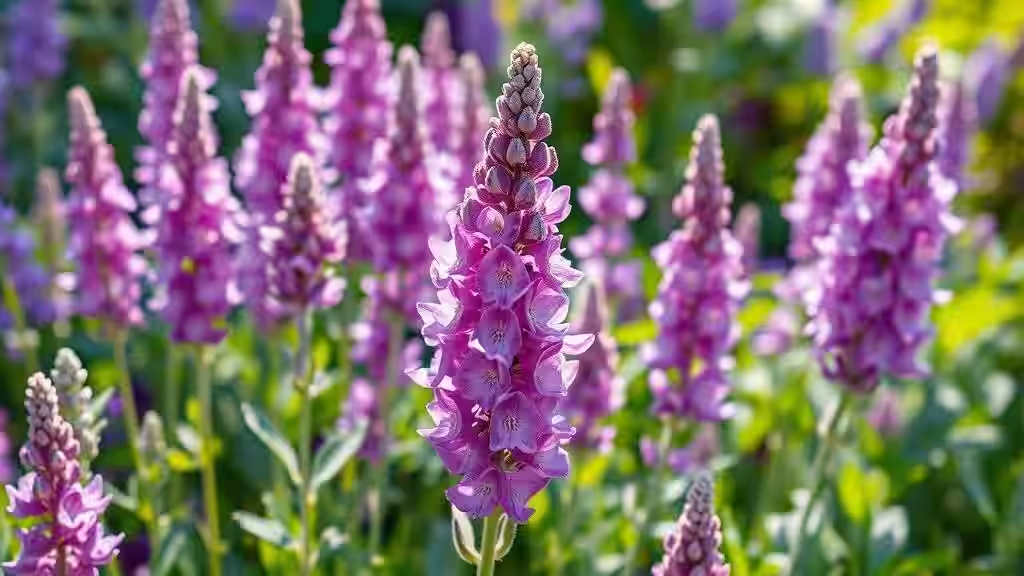
60+ Incredible Purple Plants: Your Ultimate Guide to Violet Vibes!
The world of purple plants is vast and captivating, offering a multitude of options to enhance your surroundings with their unique beauty. Whether you're drawn to the delicate blooms of lavender
Table of Contents
60+ Incredible Purple Plants: Your Ultimate Guide to Violet Vibes!
Purple plants bring a touch of magic, elegance, and vibrant color to any landscape or indoor space. From the softest lavender to the deepest violet, the spectrum of purple offers a captivating array of hues that can evoke feelings of tranquility, creativity, and even royalty. This ultimate guide will delve into the incredible diversity of purple plants, showcasing over 60 stunning options for your garden and home. Get ready to discover the power of purple plants and how to incorporate their beauty into your life!
The Allure of Purple Plants
The color purple has long been associated with luxury, mystery, and sophistication. In the plant world, purple plants offer a unique visual appeal that can transform ordinary spaces into extraordinary ones. Whether you’re looking to create a calming oasis, add a bold statement, or attract pollinators, purple plants provide a wealth of options to suit every taste and growing condition. Let’s explore the fascinating world of purple plants and the many ways they can enhance your surroundings.
Over 60 Stunning Purple Plants for Your Garden and Home
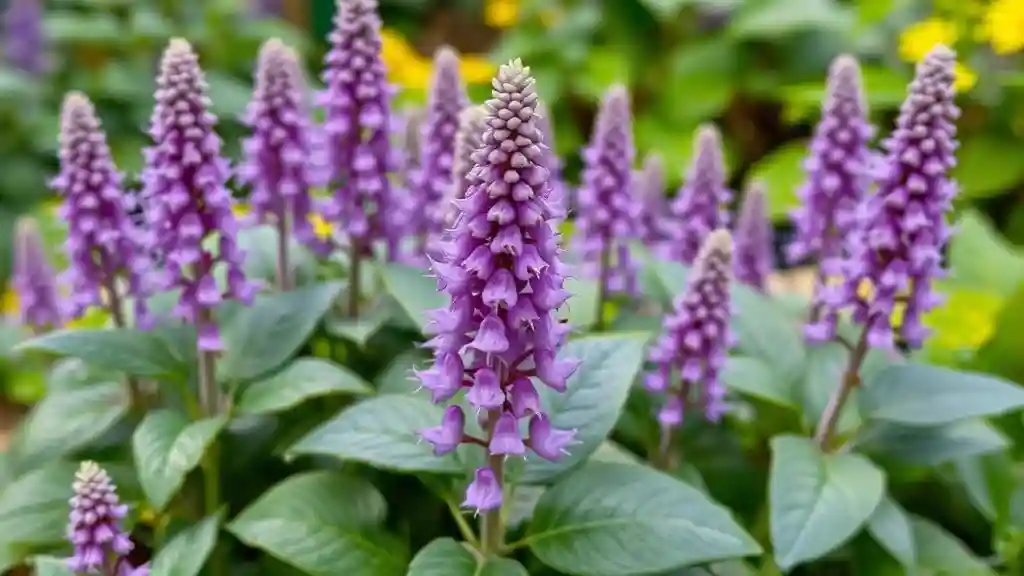
The sheer variety of purple plants available can be both exciting and overwhelming. To help you navigate this colorful world, we’ve compiled a list of over 60 stunning purple plants, categorized for easier browsing.
Purple Flowering Perennials: Year-After-Year Beauty
These purple plants return season after season, providing enduring beauty to your garden.
- Lavender (Lavandula): Known for its fragrant purple flowers and silvery foliage, perfect for attracting bees and creating a calming atmosphere.
- Salvia (Salvia): Many varieties boast vibrant purple spikes, attracting hummingbirds and adding vertical interest. Examples include ‘May Night’ and ‘Caradonna’.
- Purple Coneflower (Echinacea purpurea): A native favorite with daisy-like purple blooms, attracting pollinators and offering medicinal properties.
- Bellflower (Campanula): Delicate bell-shaped purple flowers that come in various sizes and forms.
- Clematis: Climbing vines with stunning purple flowers, ideal for trellises and walls.
- Allium (Ornamental Onion): Unique spherical purple flower heads on tall stems, adding architectural interest.
- Heliotrope: Clusters of fragrant purple flowers with a sweet vanilla-like scent.
- Iris: Elegant purple flowers with intricate patterns, available in various bloom times.
- Phlox: Many varieties offer clusters of vibrant purple flowers in summer.
- Russian Sage (Perovskia atriplicifolia): Silvery foliage with airy spikes of lavender-blue flowers.
- Catmint (Nepeta): Soft, fuzzy gray-green leaves with spikes of lavender-purple flowers, loved by cats and bees.
- Veronica (Spike Speedwell): Upright spikes of small purple flowers, providing vertical accents.
- Liatris (Blazing Star): Feathery spikes of purple flowers that bloom from top to bottom.
- Aster: Many varieties bloom in late summer and fall with starry purple flowers.
- ** পেনস্টেমোন (Penstemon)**: Tubular purple flowers that attract hummingbirds.
- Columbine (Aquilegia): Delicate, spurred purple flowers in spring.
- Bleeding Heart (Dicentra spectabilis): Heart-shaped purple and pink flowers that dangle from arching stems.
- ** অজवाइन (Ajuga reptans) (Bugleweed)**: Low-growing groundcover with spikes of purple flowers.
- Stokes’ Aster (Stokesia laevis): Large, daisy-like purple flowers in summer.
- Sea Holly (Eryngium): Unique, thistle-like purple flower heads with silvery bracts.
Captivating Purple Flowering Annuals: Season-Long Color
These purple plants provide a burst of color throughout the growing season.
- Petunia: A wide range of purple shades and patterns, perfect for containers and hanging baskets.
- Verbena: Clusters of small, vibrant purple flowers that attract butterflies.
- Pansy & Viola: Cool-season favorites with a multitude of purple hues and faces.
- Sweet Alyssum (Lobularia maritima): Delicate clusters of fragrant purple flowers, often used as edging.
- Lobelia: Trailing or upright plants with vibrant blue-purple flowers.
- ** Browallia (Amethyst Flower)**: Star-shaped deep purple flowers.
- Torenia (Wishbone Flower): Unique bi-colored purple and yellow flowers.
- Salpiglossis (Painted Tongue): Velvety purple flowers with intricate veining.
- ** Lisianthus (Eustoma)**: Elegant, rose-like purple flowers, popular in bouquets.
- ** Nemesia**: Small, snapdragon-like flowers in various purple shades.
Striking Purple Flowering Shrubs & Trees: Adding Structure and Color
These purple plants provide a more permanent presence in the landscape.
- Lilac (Syringa vulgaris): Fragrant clusters of purple flowers in spring.
- Butterfly Bush (Buddleja davidii): Long panicles of purple flowers that attract butterflies.
- Hydrangea: Some varieties offer beautiful purple blooms depending on soil pH.
- Rhododendron & Azalea: Many cultivars boast stunning purple flowers in spring.
- ** উইস্টেরিয়া (Wisteria)**: Cascading racemes of fragrant purple flowers.
- ** Crape Myrtle (Lagerstroemia)**: Some varieties offer purple flowers in summer.
- ** Beautyberry (Callicarpa)**: Known for its clusters of vibrant purple berries in fall, though some have subtle purple flowers.
Unique Purple Foliage Plants: Beauty Beyond Blooms
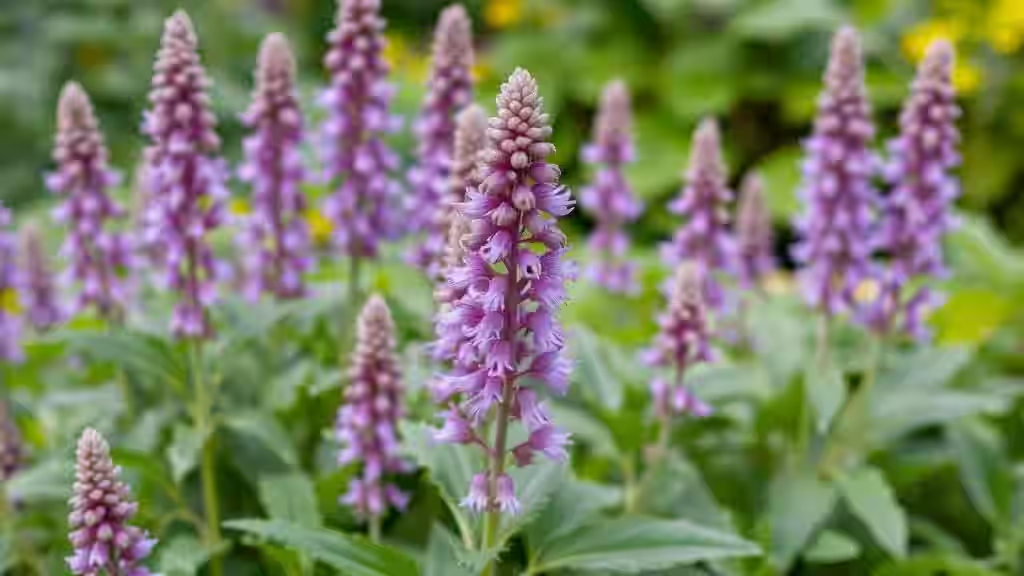
These purple plants are prized for their striking purple leaves.
- Purple Heart Plant (Tradescantia pallida): Vibrant purple leaves and stems, easy to grow indoors or out.
- Oxalis (False Shamrock): Often with deep purple, clover-like leaves.
- Persian Shield (Strobilanthes dyerianus): Iridescent purple and silver foliage.
- Purple Basil (Ocimum basilicum): Edible basil with beautiful deep purple leaves.
- Heuchera (Coral Bells): Many varieties offer stunning purple foliage in various shades and patterns.
- Iresine (Bloodleaf): Vivid purple or reddish-purple leaves.
- Alternanthera (Joseph’s Coat): Colorful foliage in shades of purple, red, and gold.
- Setcreasea pallida ‘Purple Heart’ (Wandering Jew): Similar to Tradescantia pallida with vibrant purple foliage.
- Caladium: Some varieties have striking purple veins and patterns on their leaves.
- Ti Plant (Cordyline fruticosa): Some cultivars display deep purple or burgundy leaves.
Enchanting Purple Houseplants: Indoor Elegance
Bring the beauty of purple plants indoors with these captivating houseplants.
- African Violet (Saintpaulia): Classic houseplants with a wide range of purple flower colors and forms.
- Orchid: Many orchid species and hybrids boast stunning purple blooms.
- Prayer Plant (Maranta leuconeura): Some varieties have intricate patterns including shades of purple on their leaves.
- ** Rex Begonia**: Known for their dramatically patterned leaves, some with prominent purple hues.
- ** Purple Passion Plant (Gynura aurantiaca)**: Velvety purple leaves and stems.
- Tradescantia zebrina (Wandering Jew): Silver-striped purple leaves.
- ** стрептокарпус (Streptocarpus) (Cape Primrose)**: Trumpet-shaped flowers in various purple shades.
- ** Gloxinia (Sinningia speciosa)**: Large, bell-shaped velvety purple flowers.
- ** Air Plant (Tillandsia)**: Some air plants develop a beautiful purple blush before or during flowering.
Unique & Unusual Purple Plants: Adding the Unexpected
- Purple Pitcher Plant (Sarracenia purpurea): A carnivorous plant with unique purple pitchers.
- Purple Beautyberry (Callicarpa dichotoma): Known for its profusion of vibrant purple berries.
- Purple Asparagus (Asparagus officinalis): Edible asparagus with purple-tinged spears.
- Purple Tree Collards (Brassica oleracea var. ramosa): A perennial kale with purplish leaves.
- Purple Fountain Grass (Pennisetum setaceum ‘Rubrum’): Ornamental grass with feathery purple plumes.
- Purple Coral Bells (Heuchera): Revisited for its intense purple foliage variations.
This list is just a starting point, and there are many more incredible purple plants to discover!
Caring for Your Purple Plants
The specific care requirements for purple plants will vary depending on the species and variety. However, some general guidelines apply:
- Light: Most purple plants thrive in bright, indirect sunlight. Some may tolerate more sun, while others prefer partial shade. Research the specific needs of your chosen plant.
- Water: Water needs vary, but consistent moisture is often key, especially during the growing season. Avoid overwatering, which can lead to root rot.
- Soil: Use well-draining soil that is appropriate for the specific type of plant.
- Temperature: Most purple plants prefer moderate temperatures. Protect them from extreme heat and cold.
- Humidity: Some purple plants, especially tropical varieties, benefit from higher humidity levels.
- Fertilizing: Feed your purple plants regularly during the growing season with a balanced fertilizer.
Designing with Purple Plants
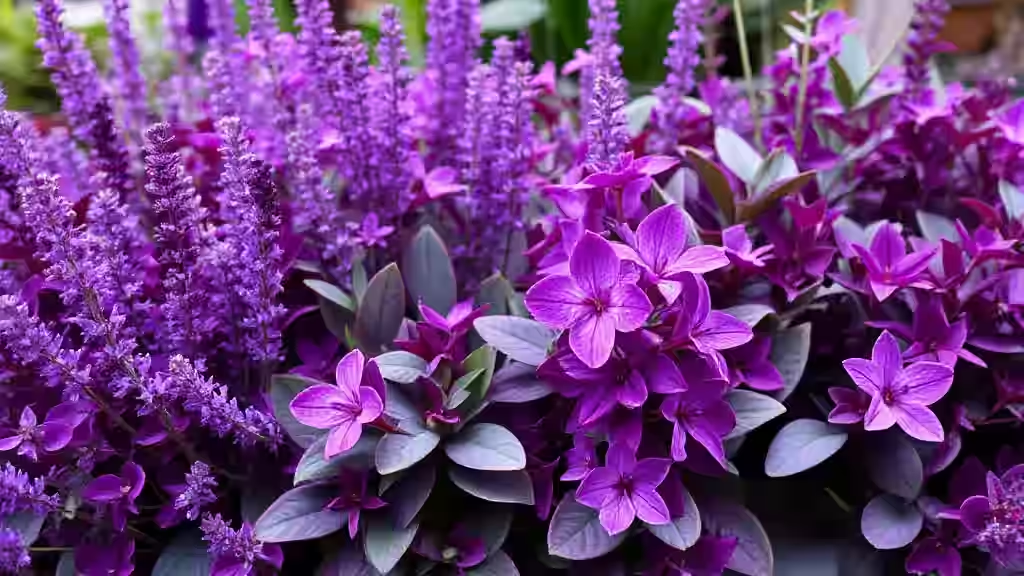
Purple plants offer endless possibilities for garden and interior design:
- Creating Contrast: Pair purple with complementary colors like yellow or orange for a vibrant look.
- Adding Depth: Use different shades of purple to create a sense of depth and dimension.
- Calming Spaces: Soft lavender and lilac hues can create a tranquil and relaxing atmosphere.
- Attracting Pollinators: Many purple plants are magnets for bees, butterflies, and other beneficial insects.
- Focal Points: Use bold purple plants as striking focal points in your garden or room.
- Themed Gardens: Create a “purple garden” showcasing the diverse shades and textures of purple plants.
Conclusion: Embrace the Majesty of Purple Plants
The world of purple plants is vast and captivating, offering a multitude of options to enhance your surroundings with their unique beauty. Whether you’re drawn to the delicate blooms of lavender, the striking foliage of Purple Heart, or the regal elegance of an orchid, purple plants have the power to transform any space. Explore the incredible diversity of purple plants, understand their care needs, and unleash your creativity in designing with this majestic color. Embrace the power of purple plants and enjoy the stunning beauty they bring!
People also ask questions:
How to Care for a Purple Passion Plant?
1. Light Requirements:
- Bright, indirect light (east or north-facing windows).
- Avoid direct sun, which can scorch its velvety purple leaves.
2. Watering:
- Water when the top 1–2 inches of soil are dry.
- Avoid soggy soil—overwatering causes root rot.
3. Humidity:
- Thrives in 50–60% humidity. Mist leaves or use a pebble tray.
4. Temperature:
- Keep between 65–75°F (18–24°C). Avoid drafts.
5. Pruning:
- Pinch back leggy stems to encourage bushiness.
- Remove small, yellow flowers (they have a foul odor).
6. Fertilizing:
- Feed monthly in spring/summer with balanced liquid fertilizer (10-10-10).
7. Common Issues:
- Yellow leaves: Overwatering or poor drainage.
- Faded color: Too much direct sunlight.
When & How to Plant Purple Coneflower Seeds?
1. When to Plant:
- Outdoors: Sow seeds in fall (for natural winter stratification) or early spring.
- Indoors: Start seeds 8–10 weeks before the last frost.
2. How to Plant:
- Soil: Well-draining, pH 6.0–7.0.
- Depth: Scatter seeds on the soil surface; lightly cover with ¼ inch of soil.
- Spacing: 12–18 inches apart.
- Sun: Full sun (6+ hours daily).
3. Germination:
- Seeds sprout in 10–20 days at 70°F (21°C).
4. Care Tips:
- Water seedlings until established; mature plants are drought-tolerant.
- Deadhead spent blooms to encourage more flowers.
Common Purple Coneflower Mistakes to Avoid
- Overcrowding: Thin seedlings to prevent competition.
- Poor drainage: causes root rot.
- Ignoring pests: Watch for aphids and treat with insecticidal soap.