Everything About Plants – Care, Tips & Green Inspiration

5 Essential Moonshine Snake Plant Care Tips
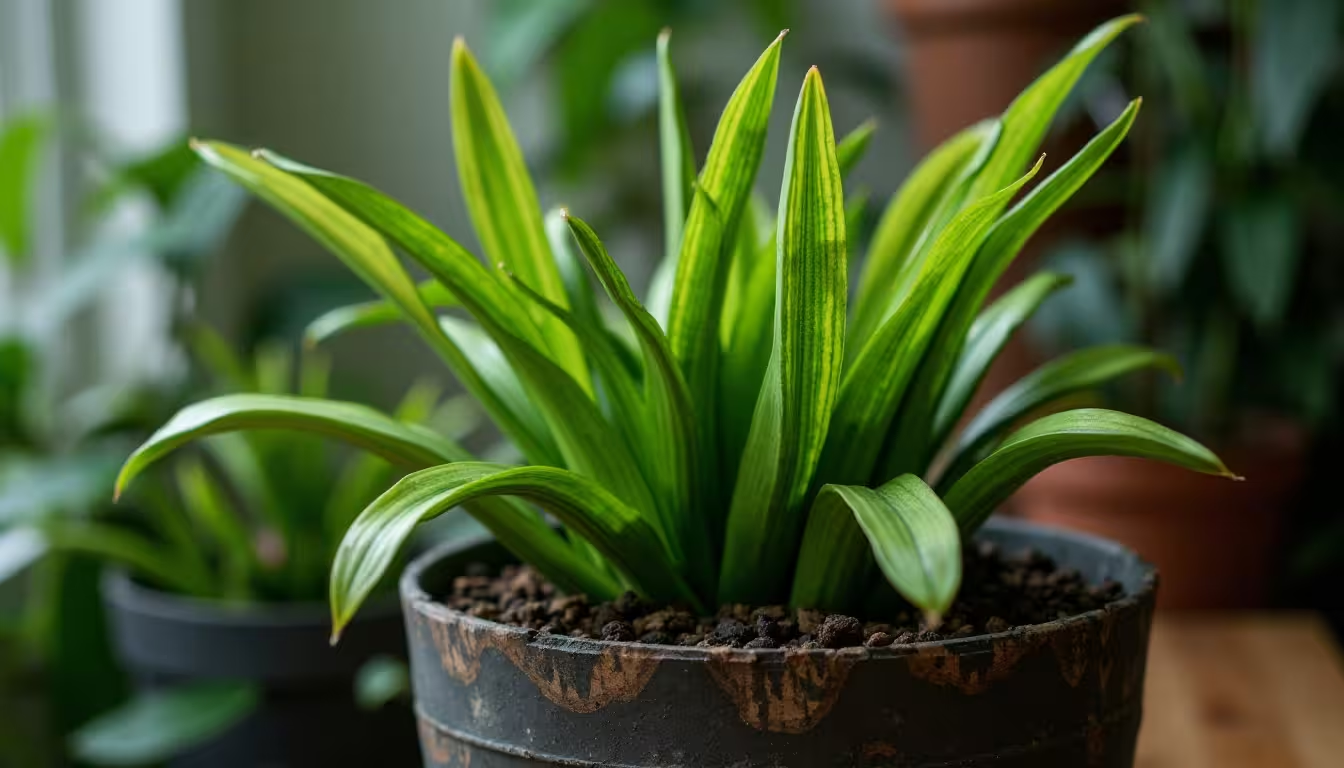
Moonshine snake plant (Dracaena trifasciata ‘Moonshine’), with its ethereal glow and striking silvery-green foliage
Table of Contents
Moonshine snake plant (Dracaena trifasciata ‘Moonshine’), with its ethereal glow and striking silvery-green foliage, has rapidly become a beloved fixture in homes around the world. This exceptional cultivar of the widely popular snake plant family stands out with its unique color, offering a refreshingly modern twist on a classic houseplant. Its elegant, upright leaves catch the light beautifully, creating a mesmerizing effect that can transform any indoor space into a tranquil, stylish oasis.
Beyond its captivating aesthetics, the moonshine snake plant is celebrated for its incredible resilience and remarkable ease of care. Often hailed as one of the most forgiving houseplants, it’s a perfect choice for both novice plant enthusiasts taking their first steps into indoor gardening and seasoned collectors seeking a low-maintenance yet high-impact addition to their green sanctuaries. Its ability to tolerate a wide range of growing conditions and its impressive drought tolerance make it an ideal companion for busy individuals or those who simply desire a beautiful plant without demanding constant attention. In fact, many consider it a “die-hard” plant due to its ability to thrive where others might falter.
This comprehensive guide will unpack everything you need to know to ensure your moonshine snake plant not only survives but truly flourishes. We’ll delve into its unique identity, explore its dazzling appearance, provide a detailed breakdown of its optimal growing conditions, and equip you with essential care practices. We’ll also address common questions, including its perceived rarity and important safety considerations, helping you cultivate a thriving and luminous moonshine snake plant that will be the envy of all your plant-loving friends.
Unveiling the Moonshine Snake Plant: Identity and Allure
To truly appreciate the moonshine snake plant, it’s helpful to understand its place within the botanical world and what makes it such a special cultivar. This section will explore its scientific classification and delve deeper into the captivating features that define its unique beauty.
What Exactly is a Moonshine Snake Plant?
The moonshine snake plant is a specific variety of the broader snake plant species, which has recently undergone a scientific reclassification.
- Scientific Name: While most widely recognized by its former name, Sansevieria trifasciata ‘Moonshine’, its updated scientific classification is Dracaena trifasciata ‘Moonshine’. You might also occasionally see it referred to as Dracaena ‘Moonglow’, which hints at its luminous appearance. This taxonomic shift doesn’t change the plant’s care requirements or its stunning looks, but it’s a detail worth noting for plant enthusiasts.
- Common Names: The plant goes by several charming common names, including Sansevieria Moonshine, Moonlight Snake Plant, and Silver Moonshine, all of which aptly describe its pale, glowing foliage. It also inherits the broader common names for the species, such as “Mother-in-Law’s Tongue,” “St. George’s Sword,” and “Viper’s Bowstring Hemp,” though these are less frequently used specifically for the ‘Moonshine’ cultivar.
- Family and Origin: Belonging to the Asparagaceae family, the moonshine snake plant traces its roots back to the tropical regions of West Africa. This origin explains its preference for warmer temperatures and its remarkable ability to withstand periods of drought, a testament to its adaptation in naturally drier environments.
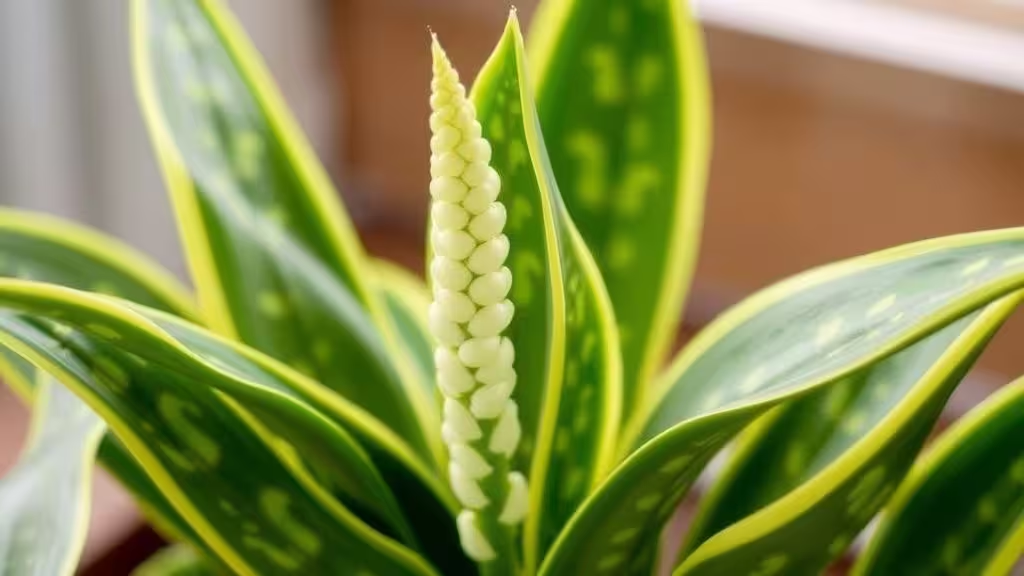
- Nature: As an evergreen perennial cultivar, the moonshine snake plant maintains its foliage year-round, providing consistent beauty. Like all snake plants, it’s categorized as a succulent, which means it has specialized tissues for water storage, making it exceptionally resilient and forgiving if you occasionally forget to water. While primarily known for its foliage, it is technically a “flowering succulent,” capable of producing modest blooms, though these are typically inconspicuous compared to its leaves.
- Ease of Cultivation: The moonshine snake plant is renowned for its low-maintenance nature. It’s a “hardy resilient plant” that demands “very little care to survive for years,” making it a stellar choice for beginners. Its “adaptable” nature means it can tolerate a variety of indoor conditions, making it an excellent choice for a wide range of home environments.
The Striking Appearance of the Moonshine Snake Plant
The defining characteristic of the moonshine snake plant is undeniably its captivating foliage, which sets it apart from many other snake plant varieties.
- Leaf Morphology: This plant features broad, upright, and fleshy leaves that typically grow in a distinctive rosette pattern. Each leaf is spear-shaped, often tapering to “pointy tips and sharp edges,” giving the plant a refined and architectural silhouette. The leaves have a smooth texture and can appear subtly glossy, enhancing their reflective quality.
- Signature Coloration: The most striking feature is its unique color palette. The leaves display a vibrant “silvery-green” or “pale, light minty green” hue. When new, they can appear almost white, gradually maturing to a softer silvery-gray with subtle green undertones. This unique coloration is what gives the moonshine snake plant its “moonlight glow” or “haunting beauty,” and an “almost ethereal look.” The pale center of the leaves is beautifully contrasted by a “very thin dark green margin” or border along their edges, adding depth and definition to each blade.
- Size and Form: Compared to some of its larger snake plant relatives, the moonshine snake plant is generally on the shorter side. It typically grows to a height of six to twelve inches (approximately 15-30 centimeters), though some can reach up to 2-3 feet (0.6-0.9 meters) under ideal conditions. Its more compact and often “stouter” growth habit makes it an excellent choice for smaller spaces, desktops, or for “tucking in an empty spot” where a touch of elegance is desired without overwhelming the area. Its distinct rosette pattern not only contributes to its visual appeal but also to its overall neat and contained form.
The exquisite blend of its unique coloration, architectural leaf shape, and manageable size makes the moonshine snake plant a “stunning” and “eye-catching” addition, instantly elevating the aesthetic of any room.
Optimal Conditions for Your Moonshine Snake Plant
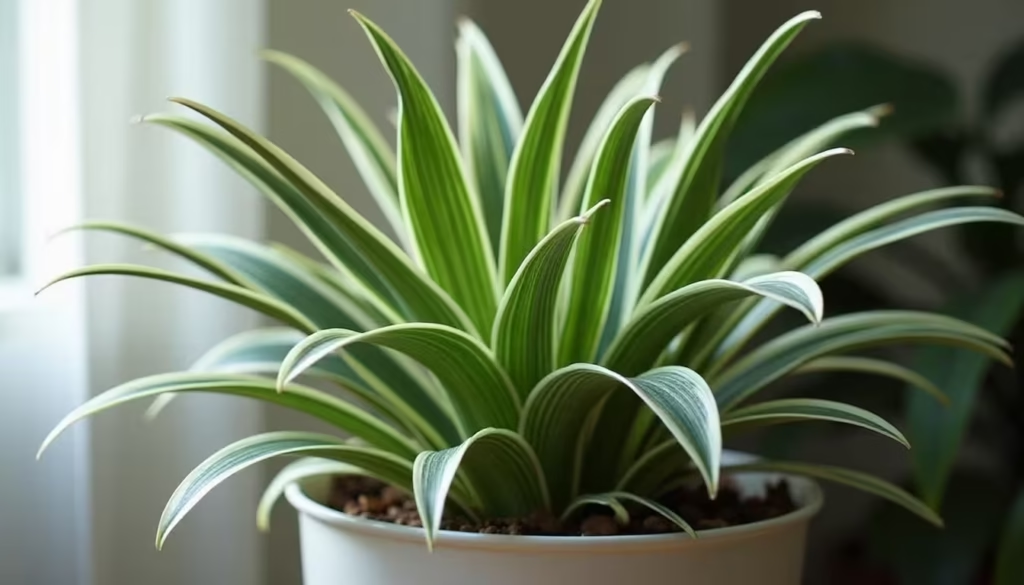
While remarkably forgiving, providing your moonshine snake plant with its preferred environmental conditions will unlock its full potential, ensuring vibrant color and robust growth. Understanding these needs is key to its long-term health and beauty.
Light Requirements for the Moonshine Snake Plant
Light plays a crucial role in maintaining the signature silvery hue of your moonshine snake plant.
- Bright, Indirect Light is Ideal: This is where the moonshine snake plant truly thrives. A location that receives ample ambient light, but is shielded from direct, harsh sunbeams, will help maintain the intensity of its silvery-green coloration. Think of a spot near a north-facing window, or a few feet away from an east or west-facing window, where the light is bright but diffused. The “moonlight glow” is most pronounced under these conditions.
- Tolerance for Lower Light: One of the reasons the moonshine snake plant is so popular is its adaptability. It can indeed tolerate lower light conditions, making it suitable for less-than-ideal spots in your home or office. However, it’s important to note that prolonged periods in very dim light might cause its distinctive silver color to fade, becoming more green. While it “can grow in almost any light conditions,” maximizing that stunning pale hue “is dependent on light.”
- Avoiding Direct Sun: Despite its hardiness, direct, intense sunlight, especially hot afternoon sun, can be detrimental. It can scorch the delicate silvery leaves, leading to unsightly brown spots or a washed-out appearance. Therefore, protecting your moonshine snake plant from direct sun is crucial.
Watering Your Moonshine Snake Plant: The Golden Rule
When it comes to watering the moonshine snake plant, less is almost always more. This is arguably the most critical aspect of its care, and the primary cause of problems for most growers.
- Drought Tolerance is Key: As a succulent originating from arid regions, the moonshine snake plant is exceptionally drought-tolerant. Its fleshy leaves are designed to store water, allowing it to go for extended periods without irrigation. This characteristic makes it highly forgiving if you occasionally forget to water.
- The Overwatering Danger: The biggest threat to a moonshine snake plant is overwatering. Constantly wet soil will lead to root rot, a fungal disease that rapidly damages the plant’s root system, often resulting in mushy leaves, a foul odor, and ultimately, plant demise. This is why “avoid overwatering” is the golden rule.
- “Water When Soil is Dry” Method: The best approach is to allow the soil to dry out completely between waterings. Before watering, stick your finger about two inches deep into the soil. If it feels dry, it’s time to water. If it still feels moist, wait. This might mean watering every week or two during warmer, brighter months, and even less frequently (perhaps once a month or longer) during the cooler, darker winter months when the plant’s growth slows down. Always err on the side of underwatering rather than overwatering.
- Proper Watering Technique: When you do water, do so thoroughly until water drains from the bottom of the pot. This ensures that the entire root ball receives moisture. Always discard any excess water collected in the saucer to prevent the pot from sitting in standing water.
Ideal Soil for a Moonshine Snake Plant
The right soil mix is essential for ensuring good drainage, which, as we’ve discussed, is paramount for the health of your moonshine snake plant.
- Well-Draining is Non-Negotiable: The soil must be loose, breathable, and capable of drying out quickly. This prevents water from lingering around the roots and causing rot.
- Composition: You can purchase a specialized soil mix intended for succulents or cacti, which naturally have the right drainage properties. Alternatively, you can create your own by mixing a standard potting soil with inorganic amendments that improve drainage. Incorporating plenty of perlite, coarse sand, or pumice into a regular potting mix will significantly enhance its aeration and drainage capabilities. Aim for a mix that feels light and gritty rather than dense and heavy.
- pH Level: The moonshine snake plant prefers a neutral acidity level, with a pH ranging from approximately 6.0 to 7.0. Most commercial succulent or general-purpose potting mixes will fall within this range, making it straightforward to provide the right environment.
Temperature and Humidity for Moonshine Snake Plant Success
Given its West African origins, the moonshine snake plant thrives in warm conditions and is surprisingly tolerant of varying humidity levels.
- Temperature Sweet Spot: The ideal temperature range for the moonshine snake plant is between 55-85 degrees F (13-29°C). These are typical indoor temperatures, making it well-suited for most homes. It’s important to protect it from extreme cold, especially temperatures below 45°F (approximately 7°C), as frost can be detrimental to its succulent leaves and root system. Avoid placing it near cold drafts from windows or air conditioning vents during winter.
- Outdoor Suitability: In warmer climates (USDA hardiness zones 9-12), the moonshine snake plant can be successfully grown outdoors, provided temperatures consistently stay above 45°F. This allows it to enjoy the natural light and fresh air, often leading to more vigorous growth.
- Humidity Tolerance: Unlike many tropical houseplants that demand high humidity, the moonshine snake plant is remarkably unfussy about it. It can tolerate average household humidity levels without issue. You won’t need to mist it regularly or invest in a humidifier unless your home is exceptionally dry. This makes it an even easier plant to care for, as humidity fluctuations are rarely a concern.
By meeting these light, watering, soil, temperature, and humidity needs, you’ll be well on your way to cultivating a happy and healthy moonshine snake plant that will shine brightly in your living space.
Mastering the Care of Your Moonshine Snake Plant
Beyond the fundamental environmental conditions, a few specific care practices will ensure your moonshine snake plant continues to thrive and maintain its spectacular appearance year after year.
Fertilizing Your Moonshine Snake Plant
While moonshine snake plants are not heavy feeders, providing them with a little nourishment during their active growing season can promote healthier, more vibrant foliage.
- Less is More: As with watering, over-fertilizing can be detrimental to your moonshine snake plant. These succulents are adapted to nutrient-poor soils, so a strong dose of fertilizer can actually burn their roots.
- When to Fertilize: The best time to fertilize is during the active growing season, which typically spans from spring through summer. During fall and winter, when growth naturally slows, refrain from fertilizing.
- Type and Application: Use a balanced liquid fertilizer, diluted to half or even quarter strength. Apply it once a month or once every other month during the growing season. Alternatively, you can use a slow-release granular fertilizer at the beginning of spring. If you’ve recently repotted your moonshine snake plant into fresh potting mix, it may not need fertilizer for several months, as new soil typically contains sufficient nutrients.
Repotting Your Moonshine Snake Plant
The moonshine snake plant is famously tolerant of being rootbound, meaning it actually prefers its roots to be somewhat snug in its pot. This means you won’t be repotting it very often!
- Signs It’s Time to Repot: You’ll typically only need to repot your moonshine snake plant every 2-5 years, or when you notice clear signs that it has truly outgrown its container. These signs include:
- Roots emerging from the drainage holes at the bottom of the pot.
- The plant becoming top-heavy and unstable.
- The plastic pot bulging or cracking due to root pressure.
- Water draining through the soil too quickly, indicating that the soil has become compacted or there are more roots than soil.
- Choosing a New Pot: When repotting, select a pot that is only one or two inches larger in diameter than the current one. A pot that is too large will hold too much moisture, increasing the risk of root rot. Ensure the new container has adequate drainage holes. Both terra cotta and plastic pots work well, though terra cotta can help wick away excess moisture faster, which is beneficial for a moonshine snake plant.
- Repotting Process: Repotting is a straightforward process. Gently remove the plant from its old pot, loosen any circling roots, place it in the new pot with fresh, well-draining soil, and water thoroughly. There are many guides available on “How to Repot a Moonshine Snake Plant in 5 Easy Steps” if you need a visual aid.
Propagating Your Moonshine Snake Plant
Propagating your moonshine snake plant is a rewarding way to create new plants from your existing one, whether to expand your collection or share with friends. While simple, it requires a dose of patience.
- Method 1: Division of Pups: The easiest and most common method is dividing the “pups” or offsets that emerge from the base of the mature plant. These are essentially miniature versions of the parent plant that grow from the rhizomes (underground stems).
- When repotting, or when a pup is a few inches tall, gently separate it from the mother plant, ensuring it has some roots attached.
- Plant the pup in its own small pot with well-draining soil.
- Method 2: Leaf Cuttings: You can also propagate moonshine snake plants from leaf cuttings, though this method takes longer and the new plant may not retain the exact silver coloration of the parent, often reverting to a more standard green.
- Cut a healthy leaf into 2-4 inch (5-10 cm) sections.
- Make sure to note which end is “down” (closest to the plant’s base) as this is crucial for rooting.
- Allow the cuttings to callus (dry out and form a protective layer) for a few days to a week. This prevents rot.
- Insert the callused end about an inch deep into well-draining soil.
- Place the pot in bright, indirect light and water sparingly until roots and new growth emerge, which can take several months.
- Patience is a Virtue: Regardless of the method, propagating a moonshine snake plant “is a true test of patience,” with the entire process “normally tak[ing] several months.” Don’t be discouraged if you don’t see immediate results!
Addressing Common Moonshine Snake Plant Concerns
Even the most adaptable plants can encounter issues. Here, we address some common questions and potential challenges you might face with your moonshine snake plant.
Pests and Diseases of the Moonshine Snake Plant
The moonshine snake plant is remarkably resilient against pests and diseases, which is another reason for its widespread popularity.
- Hardy and Resilient: It is described as a “hardy resilient plant” and “not particularly prone to any pests or diseases.” This means you’ll likely have minimal trouble in this department if proper care is maintained.
- Primary Threat: Overwatering: The most significant “disease” threat comes from overwatering, which leads to fungal root rot. Symptoms include mushy stems, yellowing leaves, and a foul odor from the soil. Prevention through proper watering techniques is the best cure.
- Common Houseplant Pests: While rare, like all plants, the moonshine snake plant “can get attacked by pests.” Keep an eye out for common houseplant pests such as:
- Mealybugs: Small, white, cottony insects found in leaf crevices.
- Spider Mites: Tiny arachnids that cause fine webbing and leaf discoloration.
- Scale: Small, immobile bumps on stems and leaves.
- Aphids: Small, soft-bodied insects that cluster on new growth.
- If you spot any of these, gently wipe them off with a damp cloth or a cotton swab dipped in rubbing alcohol. For more severe infestations, horticultural oil or insecticidal soap can be used. Stress from “long-term overwatering” or “poor light” can weaken the plant and make it more susceptible to pest attacks.
Is the Moonshine Snake Plant Rare?
This is a frequently asked question, and the answer comes with a bit of nuance.
- Conflicting Information: Some very recent sources, such as Evergreen Seeds (published May 2025), explicitly classify Sansevieria Moonshine as a “rare snake plant variety” and “a beauty among the group.” This suggests it might be considered a specialty or unique cultivar within the broader snake plant family.
- Widespread Availability: However, the overall sentiment from numerous other articles and its wide commercial availability from various online retailers and nurseries (Lively Root, The Spruce, Bloomscape, Planet Desert, etc.) indicates that it is a “popular choice for indoor plant enthusiasts” and relatively easy to find. It is “one of the most sought after types of snake plants,” which might contribute to the perception of it being special, rather than truly rare in terms of scarcity.
- Conclusion: While perhaps not as ubiquitous as the most common green snake plant varieties, the moonshine snake plant is certainly not difficult to acquire. Its “rare” designation likely refers to its unique coloration making it a highly desirable and distinctive plant rather than being genuinely scarce. It remains a very accessible option for most plant lovers.
Toxicity of the Moonshine Snake Plant
It’s crucial to be aware that like other members of the Dracaena trifasciata family, the moonshine snake plant contains compounds that are mildly toxic if ingested.
- Calcium Oxalates: The plant contains saponins and calcium oxalate crystals. These compounds can cause irritation if consumed.
- Symptoms: If ingested by humans or pets, symptoms typically include mild to moderate gastrointestinal upset, such as nausea, vomiting, diarrhea, and irritation or swelling of the mouth and throat. While generally not life-threatening, it can be uncomfortable.
- Safety Precautions:
- Keep out of reach: Ensure your moonshine snake plant is placed where curious children and pets cannot easily access it.
- Wash hands: Always wash your hands thoroughly after handling the plant, especially if you’ve been pruning or propagating it.
- Seek advice: If you suspect ingestion by a child or pet, contact poison control or a veterinarian immediately.
Being informed about its mild toxicity allows you to enjoy your moonshine snake plant responsibly and safely in your home.
Benefits of Welcoming a Moonshine Snake Plant into Your Home
Beyond its undeniable aesthetic appeal and easy-going nature, the moonshine snake plant offers several tangible benefits that make it an even more desirable addition to any living space.
- Exceptional Air Purification: One of the most celebrated qualities of the moonshine snake plant is its remarkable ability to purify indoor air. It’s renowned for removing common household toxins, including:
- Formaldehyde: Found in many building materials, furniture, and cleaning products.
- Benzene: A common component of plastics, synthetic fibers, and some lubricants.
- Xylene: Present in paints, varnishes, and rust preventers.
- By actively filtering these harmful airborne chemicals, the moonshine snake plant contributes to a healthier indoor environment, making the air you breathe cleaner and fresher. It is considered “very effective” at air purification, often alongside spider plants and peace lilies.
- Oxygen Production at Night: Unlike most plants that primarily produce oxygen during the day, the moonshine snake plant (and other snake plant varieties) performs photosynthesis using Crassulacean Acid Metabolism (CAM). This unique process allows them to absorb carbon dioxide and release oxygen at night, making them an excellent choice for bedrooms to potentially improve nighttime air quality.
- Low Maintenance for a High-Impact Look: As highlighted throughout this guide, the moonshine snake plant is incredibly low-maintenance. Its drought tolerance, adaptability to various light conditions, and general pest resistance make it a perfect plant for busy individuals, frequent travelers, or those new to plant care. Despite its minimal demands, it delivers maximum visual impact, creating a stylish and serene atmosphere without requiring constant attention.
- Aesthetic Versatility: Its sleek, upright form and unique silvery color make the moonshine snake plant incredibly versatile in terms of decor. It complements modern, minimalist, and even eclectic interior designs. Whether placed on a desk, a shelf, or as a floor plant in a larger pot, its sculptural presence adds elegance and a contemporary touch to any room. It’s perfect for “perfecting your space.”
- Durability and Longevity: This is a plant built to last. Its hardiness and ability to withstand neglect mean that with just basic care, your moonshine snake plant can thrive for many years, becoming a long-term, beautiful fixture in your home.
Moonshine Snake Plant: Quick Care Guide
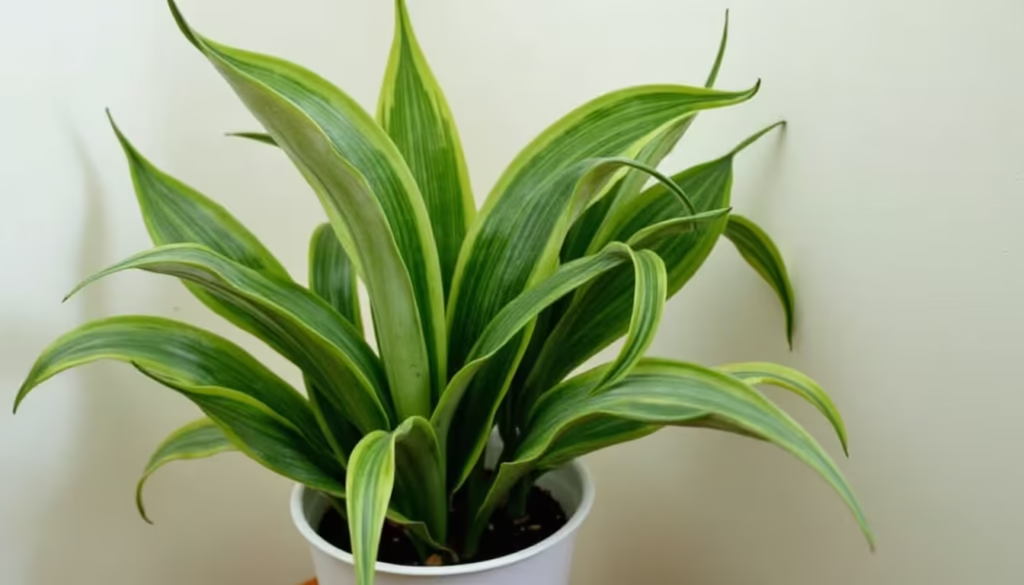
For a concise overview of how to keep your moonshine snake plant happy and healthy, refer to this quick guide.
| Care Aspect | Recommendation |
|---|---|
| Light | Bright, indirect light is ideal for maintaining silvery color. Tolerates low light, but color may fade. Avoid direct, harsh sunlight to prevent scorching. |
| Watering | Allow soil to dry out completely between waterings. Highly drought-tolerant. Overwatering is the biggest threat (causes root rot). Water less frequently in winter. |
| Soil | Well-draining, loose, breathable soil (e.g., succulent/cactus mix). pH 6.0-7.0 (neutral). Amend standard potting soil with perlite or sand for better drainage. |
| Temperature | Ideal range: 55-85°F (13-29°C). Keep above 45°F (7°C). Protect from cold drafts. Suitable for outdoor in USDA Zones 9-12 (above 45°F). |
| Humidity | Tolerates average household humidity levels. No special humidity requirements (e.g., misting) needed. |
| Fertilization | Minimal. Fertilize 1-2 times during active growing season (spring-summer) with diluted balanced liquid fertilizer (half or quarter strength). No fertilizer in fall/winter. |
| Repotting | Infrequent (every 2-5 years). Repot when rootbound (roots from drainage holes) or plant is unstable. Use a pot only 1-2 inches larger with drainage holes. |
| Propagation | By division of pups (offsets) or leaf cuttings. Requires patience (several months). New plants from leaf cuttings may not retain silver color. |
| Pests/Diseases | Highly resilient. Main issue is root rot from overwatering. Watch for mealybugs, spider mites, scale, aphids (rare). |
| Toxicity | Mildly toxic if ingested (due to calcium oxalates). Keep out of reach of children and pets. Causes gastrointestinal upset. |
| Benefits | Air purifier (removes formaldehyde, benzene, xylene). Oxygen producer at night. Low maintenance, aesthetically pleasing, and long-lived. |
| Growth Size | Generally 6-12 inches (15-30 cm) tall, but can reach 2-3 feet (0.6-0.9 m). Grows in a stout, upright rosette pattern. |
Conclusion: The Enduring Charm of the Moonshine Snake Plant
The moonshine snake plant truly is a testament to the idea that beauty and ease can coexist in the botanical world. Its striking silvery-green leaves, which evoke the soft glow of moonlight, make it a uniquely captivating addition to any interior design. Whether you’re a seasoned green thumb or just beginning your plant journey, this forgiving succulent offers an incredibly rewarding experience.
From its adaptability to various light conditions and its remarkable drought tolerance to its air-purifying qualities and low-maintenance demands, the moonshine snake plant embodies everything one could wish for in a houseplant. While there might be some debate about its exact rarity, its popularity and widespread availability confirm its status as a sought-after variety that is accessible to most enthusiasts.
By providing the simple care outlined in this guide—primarily avoiding overwatering and ensuring bright, indirect light—you will foster a thriving, luminous moonshine snake plant that enhances your home’s aesthetic and contributes to a healthier living environment. Welcome this magnificent plant into your life, and prepare to be enchanted by its enduring beauty and effortless charm.