Everything About Plants – Care, Tips & Green Inspiration

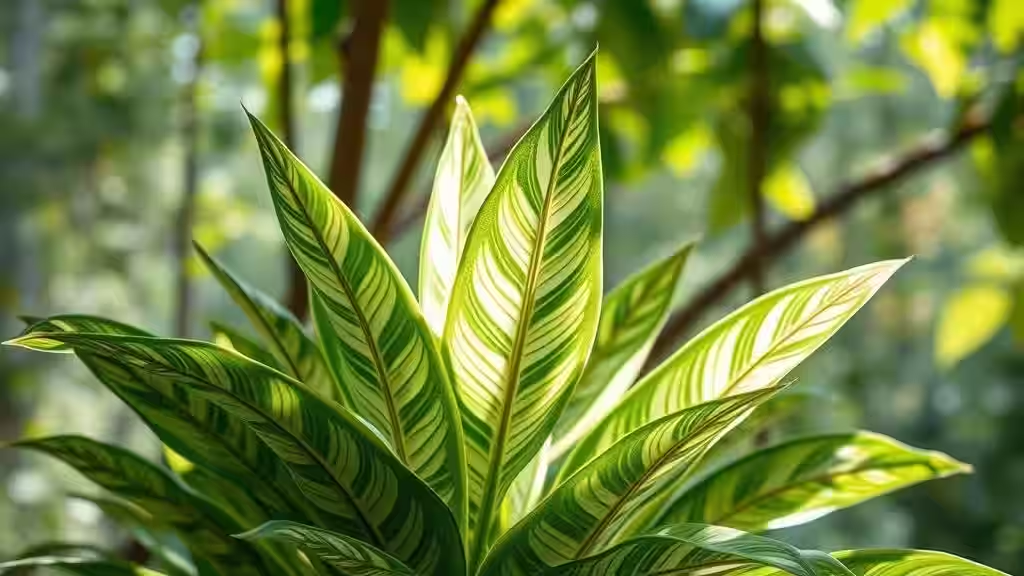
5 Powerful Zebra Plant Care Tips: Your Ultimate Guide!
Zebra plant care is essential for keeping this striking houseplant healthy and vibrant. Known for its bold, zebra-like stripes on its glossy green leaves
Table of Contents
5 Powerful Zebra Plant Care Tips: Your Ultimate Guide!
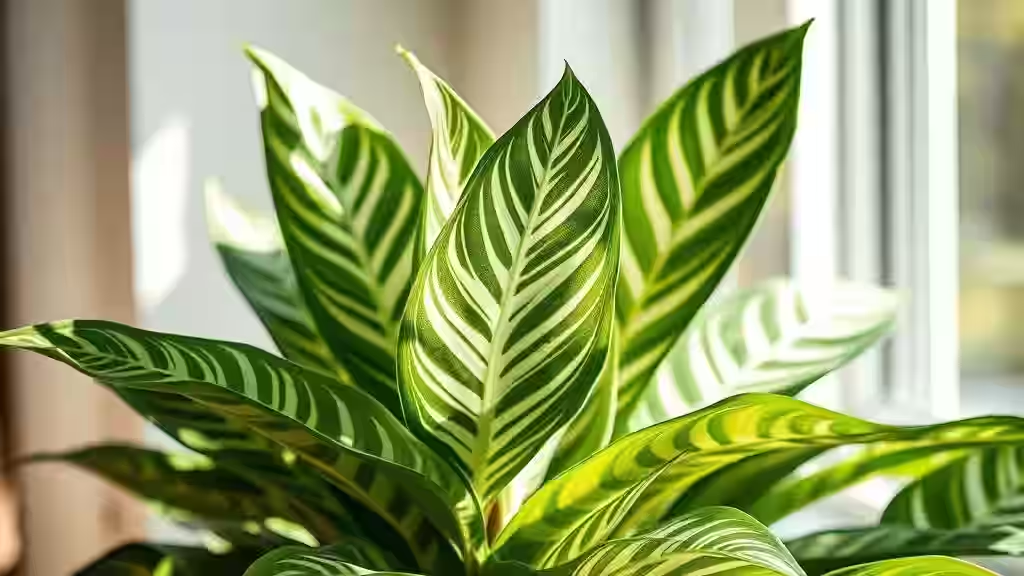
Zebra plant care is essential for keeping this striking houseplant healthy and vibrant. Known for its bold, zebra-like stripes on its glossy green leaves, the Aphelandra squarrosa (the most common plant referred to as Zebra Plant) can be a rewarding addition to your indoor jungle. However, understanding the nuances of zebra plant care is crucial for its success.
This ultimate guide will empower you with 5 powerful tips to ensure your zebra plant care routine is effective and leads to a thriving specimen. Before we dive into the specifics of zebra plant care, it’s important to note that the term “Zebra Plant” can sometimes refer to other plants like Haworthia fasciata (a succulent) or Calathea zebrina (another tropical plant with striped leaves), which have different care requirements. This guide focuses primarily on the care of Aphelandra squarrosa.
1. Mastering the Light for Optimal Zebra Plant Care
Proper lighting is a cornerstone of successful zebra plant care. The Aphelandra squarrosa thrives in bright, indirect sunlight. Think of the light conditions beneath a forest canopy – bright enough to read a book, but without the harsh, direct rays of the midday sun.
Direct sunlight can scorch the delicate leaves of your zebra plant, leading to unsightly brown spots and potentially hindering its growth. Therefore, when considering zebra plant care, positioning is key. An east-facing window that receives gentle morning sun can be ideal. A north-facing window provides consistent, softer light that the zebra plant often appreciates.
If you have a south or west-facing window, it’s crucial to filter the strong sunlight. You can achieve this by placing your zebra plant a few feet away from the window or using sheer curtains to diffuse the intensity. Observe your plant closely. If the leaves appear pale or washed out, it might be receiving too much light. Conversely, if the growth is leggy (long stems with sparse leaves) and the stripes are less defined, it’s likely not getting enough light. Adjusting the light exposure is a fundamental aspect of attentive zebra plant care.
2. The Art of Watering Your Zebra Plant with Precision
Watering correctly is another critical element of effective zebra plant care. The Aphelandra squarrosa prefers consistently moist soil, but it absolutely dislikes being waterlogged. Finding this balance is crucial for healthy root development and overall plant vigor.
During the active growing season (spring and summer), you should water your zebra plant regularly, typically when the top inch of the soil feels slightly dry to the touch. Use lukewarm water and water thoroughly until excess water drains out of the pot’s drainage holes. This ensures that the entire root ball is adequately hydrated. Always discard any excess water that accumulates in the saucer beneath the pot to prevent the roots from sitting in water, which can lead to root rot – a common problem in zebra plant care.
In the dormant season (fall and winter), the plant’s growth slows down, and its water needs decrease. Allow the top two inches of the soil to dry out before watering. Be cautious not to overwater during this period.
The quality of your water can also impact your zebra plant care. Avoid using hard or heavily chlorinated water, as these can lead to leaf tip burn and other issues. If your tap water is problematic, consider using filtered water or rainwater. Observing the leaves can provide clues about your watering habits. Drooping leaves can indicate either underwatering or overwatering. Check the soil moisture to determine the cause and adjust your zebra plant care accordingly.
3. Maintaining Warmth and High Humidity for Thriving Growth
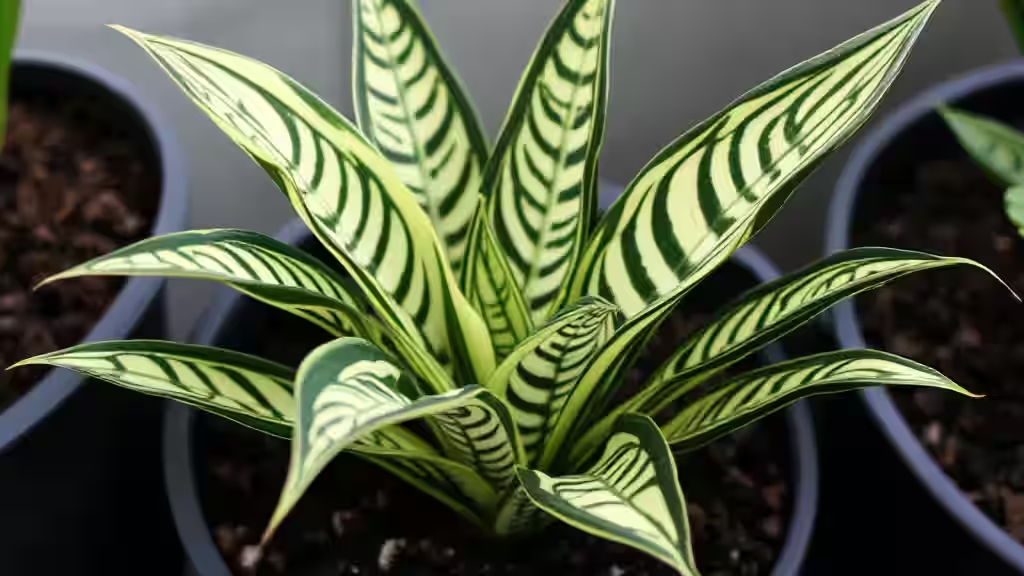
Native to the tropical rainforests of Brazil, the Aphelandra squarrosa thrives in warm and humid environments. Replicating these conditions is vital for successful zebra plant care, especially indoors where the air can often be dry, particularly during winter when heating systems are in use.
Zebra plants prefer temperatures between 65°F and 75°F (18°C and 24°C). Avoid exposing your plant to sudden temperature fluctuations or drafts from open windows or air conditioning vents, as these can stress the plant. Consistent warmth contributes significantly to healthy zebra plant care.
Humidity is another key factor. The ideal humidity level for a zebra plant is above 60%. Low humidity can lead to crispy leaf edges, stunted growth, and increased susceptibility to pests. To increase humidity for your zebra plant, you can:
- Misting: Mist your plant regularly with lukewarm water, especially during dry periods.
- Pebble Tray: Place the pot on a tray filled with pebbles and water. As the water evaporates, it increases the humidity around the plant. Ensure the bottom of the pot is not sitting directly in the water.
- Humidifier: Use a room humidifier to maintain a consistently high humidity level.
- Grouping Plants: Grouping your zebra plant with other humidity-loving plants can create a microclimate with higher humidity.
Monitoring the humidity levels around your zebra plant is an important aspect of proactive zebra plant care. A hygrometer can help you keep track of the humidity and make necessary adjustments.
4. Strategic Fertilizing During the Growing Season
Providing the right nutrients is essential for vigorous growth and vibrant foliage, making fertilization a key component of comprehensive zebra plant care. The Aphelandra squarrosa benefits from light feeding during its active growing season (spring and summer).
Use a balanced liquid houseplant fertilizer diluted to half the recommended strength. Fertilize every two to four weeks during the spring and summer months. This provides the necessary nutrients to support healthy leaf development and potential flowering.
During the dormant season (fall and winter), the plant’s growth slows significantly, and it doesn’t require as many nutrients. Therefore, it’s best to withhold fertilization during this period. Over-fertilizing can lead to a buildup of salts in the soil, which can damage the roots and cause leaf burn. This is a common mistake in zebra plant care that should be avoided.
Observe your plant for signs of nutrient deficiencies, such as yellowing leaves or stunted growth. However, be cautious not to immediately assume a deficiency, as these symptoms can also be caused by other issues like improper watering or lighting. A balanced approach to fertilization is crucial for effective zebra plant care.
5. Regular Observation and Addressing Potential Issues
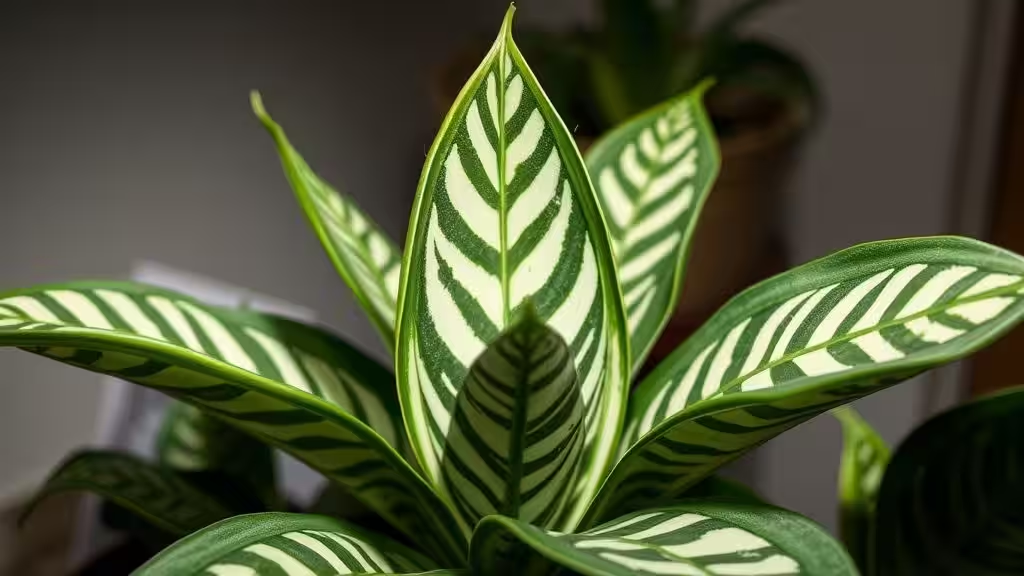
Consistent monitoring is a vital, often overlooked, aspect of excellent zebra plant care. Regularly inspecting your zebra plant for any signs of pests or diseases can help you catch problems early before they become severe.
Common pests that can affect zebra plants include spider mites, mealybugs, aphids, and scale. Check the undersides of the leaves and the stems for any small insects or webbing. If you notice any pests, isolate the affected plant to prevent them from spreading to your other houseplants. You can often remove mild infestations by wiping the leaves with a damp cloth or using a solution of mild soapy water. For more severe infestations, consider using insecticidal soap or neem oil, following the product instructions carefully. Proactive zebra plant care includes regular cleaning of the leaves to remove dust, which can also help deter pests.
While generally resilient, zebra plants can also be susceptible to fungal diseases, often caused by overwatering or poor air circulation. Look for signs like dark spots on the leaves or a fuzzy mold. Ensure your plant has good air circulation and avoid overwatering to prevent these issues. If you suspect a fungal infection, you may need to use a fungicide.
Repotting is another aspect of long-term zebra plant care. Zebra plants typically need to be repotted every 1-2 years, or when they outgrow their current container. Choose a pot that is only slightly larger than the previous one and use a well-draining potting mix. Repotting provides fresh nutrients and allows the roots more space to grow.
By paying close attention to your zebra plant and addressing any issues promptly, you can ensure its continued health and beauty. This proactive approach is the hallmark of truly effective zebra plant care.
Conclusion: Empowering Your Zebra Plant Care Journey
Mastering zebra plant care involves understanding and consistently meeting its specific needs for light, water, warmth, humidity, and nutrients. By following these 5 powerful tips and maintaining a watchful eye on your plant, you can cultivate a thriving and visually stunning Aphelandra squarrosa in your home. Remember that while the term “Zebra Plant” can be ambiguous, focusing on the needs of Aphelandra squarrosa will address the most common understanding of this popular houseplant. Embrace the rewarding journey of zebra plant care and enjoy the unique beauty it brings to your indoor space!