Everything About Plants – Care, Tips & Green Inspiration

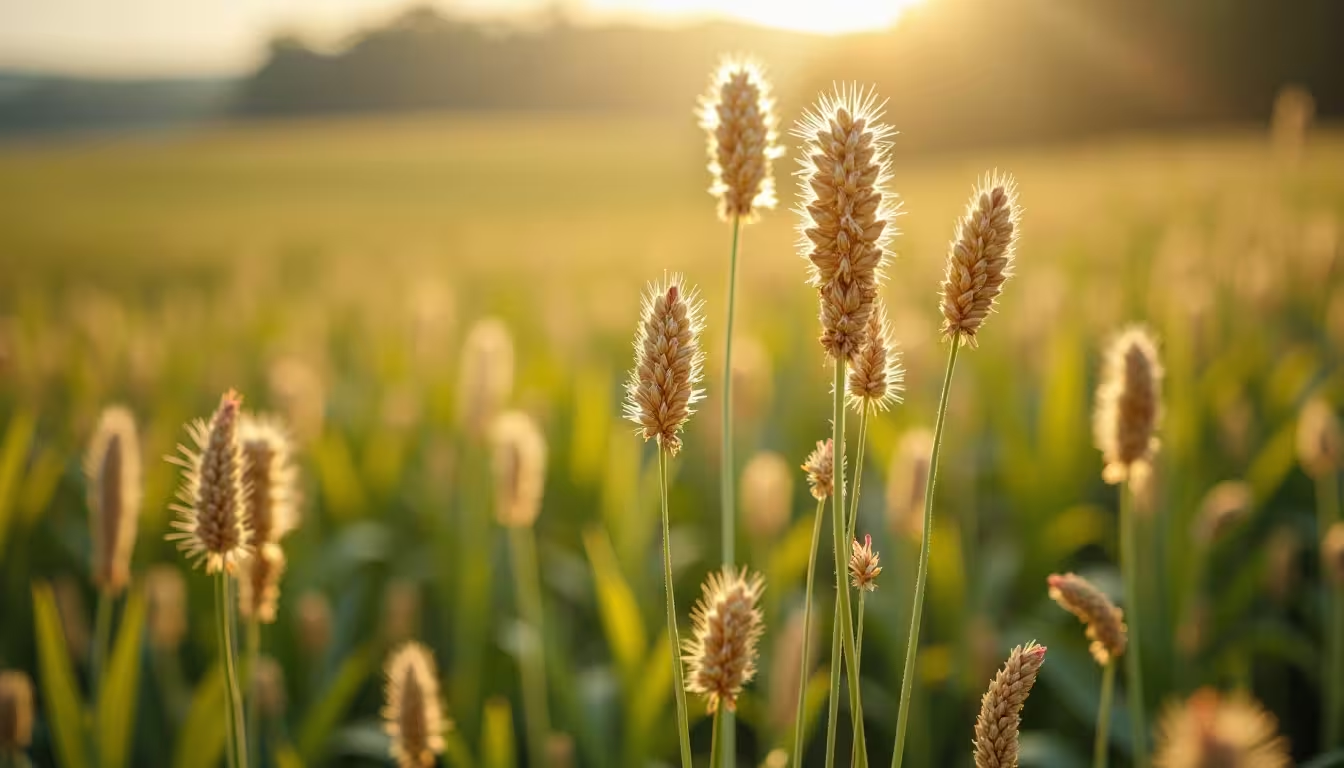
10 Remarkable Facts About the Thriving Sesame Seed Plant
The sesame seed plant (Sesamum indicum) is a botanical marvel, famously linked to the enchanting phrase "Open Sesame!"
Table of Contents
The sesame seed plant (Sesamum indicum) is a botanical marvel, famously linked to the enchanting phrase “Open Sesame!” This iconic invocation, drawn from folklore, directly references a unique characteristic of this remarkable plant: its mature capsules naturally split open, or “shatter,” to release their precious seeds. While this natural dehiscence inspired tales of hidden treasures, it has historically presented a significant challenge for cultivation and harvesting. Despite this inherent trait, the sesame seed plant has thrived for millennia, earning its reputation as a “survivor crop” due to its extraordinary resilience, particularly its drought tolerance.
This comprehensive exploration delves into the fascinating world of the sesame seed plant, tracing its deep historical roots, unraveling its intricate biology, detailing its precise cultivation requirements, examining its sophisticated processing methods, and highlighting its profound global impact through diverse applications in culinary, health, cosmetic, and pharmaceutical industries. From ancient rituals to modern superfood status, the journey of the sesame seed plant is a testament to its enduring value and adaptability.
A Journey Through Time: The Ancient Origins and Cultural Significance of the Sesame Seed Plant
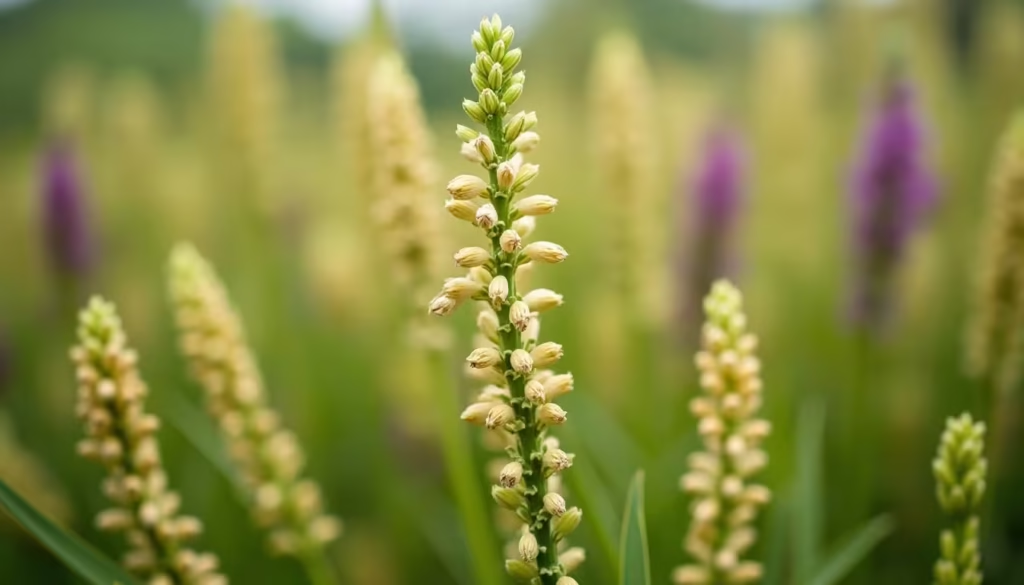
The history of the sesame seed plant is as rich and enduring as its flavor. Recognized as one of humanity’s oldest oilseed crops, its domestication dates back well over 3,000 years, with archaeological evidence pointing to cultivation in the Indian subcontinent at least 5,500 years ago. While numerous wild relatives of the Sesamum genus are found across Africa, the cultivated species, Sesamum indicum, is widely believed to have originated in India.
Other theories suggest its genesis in Southeast Africa, particularly the regions encompassing modern-day Ethiopia and Sudan. This ancient lineage underscores the plant’s fundamental role in human survival and agricultural resilience, especially in challenging environments where other crops might fail. Its robust nature allowed early civilizations to secure vital oils and nutrients, making it a cornerstone of agricultural stability.
From its probable origins, the sesame seed plant rapidly diffused across ancient civilizations, becoming a valuable commodity and a staple in diverse cultures. By 2000 BC, evidence suggests active trade of sesame between Mesopotamia and the Indian subcontinent, where it was known by names such as ilu in Sumerian and ellu in Akkadian, terms that reflected its essence as “oil” or “liquid fat”. This linguistic evolution, where the word “sesame” itself derives from ancient Semitic roots, and “benne” from West African languages, directly illustrates the plant’s ancient trade routes and profound cultural diffusion. The adoption of its names into various languages signifies its economic importance and widespread acceptance, effectively mapping the contours of early global commerce.
The sesame seed plant held multifaceted value beyond mere sustenance. In ancient Egypt, it was known as sesemt and featured prominently in medicinal scrolls like the Ebers Papyrus (circa 1550 BC). The discovery of sesame baskets among the grave goods of King Tutankhamen further solidifies its significance by 1350 BC. Its oil was extracted and utilized in the Urartu empire by 750 BC, and it was highly prized in Babylon and Assyria some 4,000 years ago. The Romans, too, incorporated it into their diet, grinding the seeds to create a spread for bread.
In ancient China, as early as the 4th century, sesame oil was employed for toothaches and gum diseases, while in India, it served as an antibacterial mouthwash and a remedy for anxiety and insomnia. This widespread and deep cultural integration across diverse ancient civilizations—culinary, medicinal, and even ritualistic—highlights its fundamental and multifaceted value. It was not merely a food source but a plant imbued with significant cultural, spiritual, and health-related importance, reflecting a sophisticated understanding of its properties and a deep integration into daily life and belief systems across vast geographical and temporal spans.
The cultural symbolism associated with the sesame seed plant is particularly rich. In parts of Asia and Africa, it plays a role in rituals, festivities, and rites of passage, believed to bring good luck and prosperity in places like China and Armenia. It holds a sacred status in Hindu religious rituals , and in ancient Greece, it was associated with health, prosperity, and good fortune. The traditional Greek snack, pasteli—a simple combination of sesame seeds and honey—was even mentioned by the poet Hesiod in the 7th century BCE as a nourishing food for travelers and soldiers. These traditions underscore the plant’s exceptional utility and perceived benefits, cementing its place in human history far beyond its nutritional content.
Botanical Blueprint: Understanding the Sesame Seed Plant’s Morphology and Varieties
The sesame seed plant, scientifically known as Sesamum indicum, is an erect annual herb, though occasionally it can be perennial. It belongs to the Pedaliaceae family. Its height can vary significantly, typically ranging from 20 to 60 inches (50 to 150 cm), but under optimal conditions and depending on the variety, it can reach up to 7 feet. The stem can be hollow or contain a white pith and may exhibit various branching patterns. Cultivated types are broadly categorized into monopole (unbranched, with short internodes, bearing two to three capsules per node, suitable for dense planting) and branched types (earlier maturity, longer internodes, typically one capsule per node, requiring less dense planting).
The leaves of the sesame seed plant are variable in shape and size, appearing either opposite or alternate along the stem. They are commonly rectangular or ovate, measuring 3-10 cm in length and 2.5-4 cm in width, and are typically slightly hairy. The plant produces bell-shaped flowers, which can be white, pale-rose, or lavender, sometimes adorned with purplish-red or yellow halos.
These flowers begin to develop in the leaf axils approximately 6 to 8 weeks after planting and continue to appear for several weeks. While the sesame seed plant is predominantly self-pollinated, cross-pollination by insects is also common. Following fertilization, the fruit develops into a deeply grooved capsule, typically 1 to 3 inches in length, each containing 50 to 100 or more seeds that mature within 4 to 6 weeks.
A defining characteristic of the sesame seed plant is its indeterminate growth pattern. This means the plant continuously produces leaves, flowers, and capsules as long as environmental conditions permit. While this trait ensures a prolonged production period, it also creates a significant challenge for uniform harvesting. Lower capsules may be fully ripe and ready to shatter while the upper parts of the stem are still flowering or developing new pods. This asynchronous ripening historically necessitated labor-intensive manual harvesting methods.
Shattering vs. Non-Shattering Varieties: A Pivotal Development for the Sesame Seed Plant
The natural “shattering” characteristic, where ripe sesame capsules split open to release their seeds, has been a significant hurdle in the commercial cultivation of the sesame seed plant. This trait led to substantial harvest losses and limited production primarily to small plots harvested by hand. Factors like wind and late-season rainfall can exacerbate these shattering losses, further limiting domestic yields.
A pivotal moment in sesame agriculture occurred in 1943 with the discovery of an indehiscent (nonshattering) mutant by Langham. This breakthrough enabled plant breeders to develop shatter-resistant varieties, which are crucial for mechanical harvesting. This development directly addressed the inherent challenge posed by the plant’s indeterminate growth, allowing for more efficient and scalable cultivation.
The varietal differences between shattering and non-shattering types are notable:
- Shattering Varieties: Most shattering varieties grown in the United States, such as Margo, Oro, Blanco, Dulce, and Ambia, are derived from Kansas 10 (K 10). These varieties often boast a high oil content, frequently exceeding 50%. However, their seeds can possess a bitter flavor, which limits their appeal in the whole-seed market. Despite the harvesting challenges, these varieties are still utilized in regions where manual harvesting is prevalent or, in the U.S., for attracting wildlife like doves, quail, and pheasants.
- Non-Shattering Varieties: Developed specifically to facilitate mechanical harvesting, these varieties typically contain slightly less than 50% oil. Their seeds are primarily used for oil production. Examples include Baco, Paloma, UCR-3, SW-16, and SW-17. A key characteristic of non-shattering varieties is their slower emergence from the soil, which necessitates thorough seed treatment with fungicides like Captan to protect against fungal pathogens during germination. The trade-off between oil content and shatter resistance highlights an ongoing tension in agricultural development: optimizing for mechanical harvestability, while enhancing efficiency, can sometimes lead to a slight reduction in other desirable traits like maximum oil yield. This necessitates strategic choices by breeders and growers based on market demands.
The Spectrum of Sesame Seed Colors
Sesame seeds are small and vary in color, with lighter-colored seeds generally considered to be of higher quality. The color variations, while having similar nutritional profiles, are often linked to regional culinary preferences and specific varietal characteristics, demonstrating a global adaptation and specialization of the crop.
The common types include:
- White Sesame Seeds: These are the most common variety, often hulled, meaning their outer husk has been removed. They possess a mild, nutty flavor and are widely used in baking, as toppings for breads and bagels, and are the primary ingredient for tahini, a creamy paste central to Middle Eastern and Mediterranean cuisines. White sesame varieties are also noted for their high oil content and overall good quality.
- Black Sesame Seeds: Offering a striking contrast, black sesame seeds have a rich, nutty flavor with a slightly bitter undertone. They are particularly popular in Asian cuisines, especially in China and Japan, where they are incorporated into both sweet dishes like black sesame soup and savory applications such as sushi garnishes and sauces. Black varieties are recognized for their strong growth habit, resistance to lodging (falling over), and enhanced drought resistance.
- Brown and Golden Sesame Seeds: Brown sesame seeds fall between white and black in flavor and appearance, offering a slightly stronger taste than white varieties, often used in Middle Eastern cuisine as a garnish. Golden sesame seeds are less common but are gaining popularity for their unique appearance and milder flavor, frequently used in baking, confectionery, and as a decorative element, particularly in Indian sweets and snacks.
While the color of sesame seeds can vary due to pigments like anthocyanin, the fundamental nutritional components remain largely consistent across different colored seeds. This indicates that while aesthetics and subtle flavor nuances drive regional preferences, the core health benefits are universally present.
Cultivating Gold: Optimal Conditions and Practices for the Sesame Seed Plant
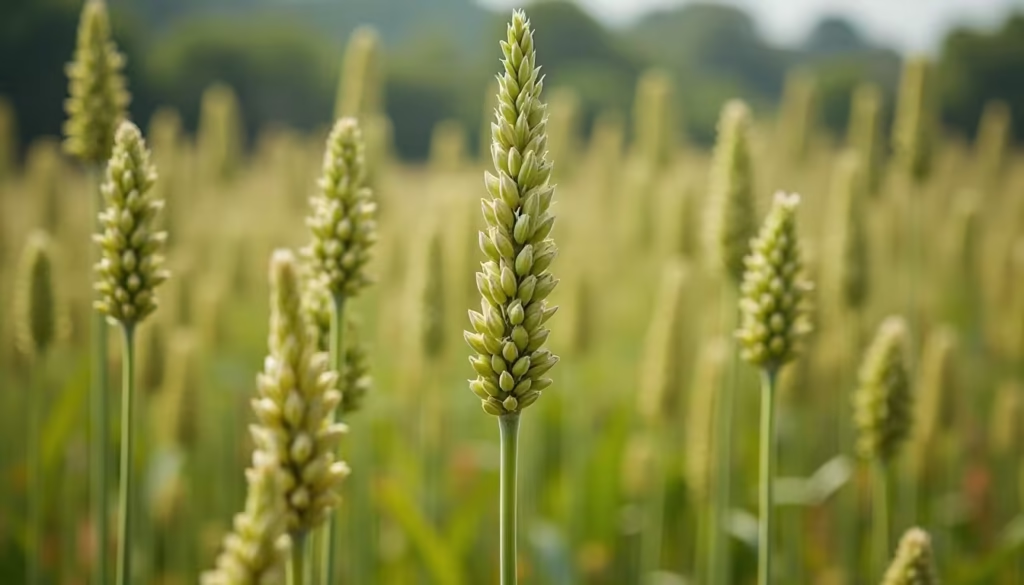
Successful cultivation of the sesame seed plant hinges on understanding and meeting its specific environmental and management requirements. This ancient crop, despite its renowned drought tolerance, demands precise conditions for optimal growth and yield.
Climate Requirements for the Sesame Seed Plant
Commercial varieties of the sesame seed plant necessitate a substantial growing season, typically requiring 90 to 120 frost-free days, with some varieties needing up to 150 days to reach full maturity. Optimal daytime temperatures for growth range from 77°F to 80°F (25-30°C). Growth is significantly reduced below 68°F (20°C) and completely inhibited at 50°F (10°C). The plant thrives best in consistently high temperatures throughout its growing season.
The sesame seed plant is celebrated for its exceptional drought tolerance, a trait largely attributed to its extensive and deep root system. This characteristic allows it to flourish in arid and semi-arid regions where other crops might fail. However, this drought tolerance is paradoxically coupled with a critical need for adequate moisture during specific growth stages. Sufficient moisture is paramount for successful germination and early growth.
A minimum rainfall of 20 to 26 inches per season is generally required for reasonable yields, with moisture levels before planting and during flowering having the most significant impact on overall yield. This nuanced requirement means that successful cultivation is not simply about planting in dry areas, but about sophisticated water management. The plant is highly intolerant of water-logging, which can severely impact growth at any stage. Similarly, it has a low tolerance for high salinity environments. Late-season rainfall and strong winds can also be detrimental, prolonging growth and increasing shattering losses.
Soil Preferences for the Sesame Seed Plant
The sesame seed plant is adaptable to various soil types but performs optimally in well-drained, fertile soils of medium texture, such as silt loams or sandy loams. It prefers a neutral to slightly alkaline pH, ideally within the range of 5.5 to 7.5, though it can tolerate a broader range of 4.5 to 8. Heavy clay soils are generally not recommended, and soil crusting, particularly in soils with higher clay content, can significantly impede seedling emergence. Beyond its direct cultivation benefits, the sesame seed plant also appears to improve soil structure, enhancing soil tilth and moisture retention, which can subsequently boost yields in following cash crops.
Seedbed Preparation and Planting Best Practices for the Sesame Seed Plant
Effective establishment of the sesame seed plant begins with meticulous seedbed preparation. A warm, moist, mellow, and weed-free seedbed is essential. Good drainage is critical, as the plant is extremely susceptible to waterlogging. Tilling the soil to a depth of at least 12 inches (30 cm) and incorporating organic matter like compost or well-rotted manure can significantly improve soil fertility and drainage. Planting into pre-irrigated or already moist soils is crucial, as the delicate sesame seedlings struggle to break through even a thin soil crust.
Timing is also paramount. The sesame seed plant should not be planted until soil temperatures consistently reach approximately 70°F (21°C), typically about a month after the last killing frost in spring. Planting too early in cool soil can inhibit germination and retard growth.
Due to the small size of sesame seeds, precise planting depth, spacing, and rate are vital for establishing a uniform stand. Seeds should be planted shallowly, preferably around 1/2 inch (1.25 cm) deep. Uniform depth and seed rate are essential for maximizing yield. Recommended planting rates typically range from 2 to 3 pounds per acre , aiming for plant populations of 250,000 to 300,000 plants per acre in 18 to 30-inch rows for the highest yields. Thinning seedlings to about 12 inches apart is often advised to ensure proper air circulation and reduce competition.
For planting, a row crop planter equipped with specialized vegetable planter boxes or even an insecticide box can be used to accurately meter the small seeds. While no-till planting is feasible, it can be challenging for small seeds to achieve good soil-to-seed contact through plant residue. The recommendation for specific row widths and planting methods, such as using an insecticide box or ridge-till, reflects an adaptation of general row crop farming techniques to the unique challenges posed by the sesame seed plant‘s small seed size, indeterminate growth, and the critical need for early weed control. This demonstrates how agricultural practices are refined to address the specific biological and logistical characteristics of a particular crop.
Nutrient and Water Management for the Sesame Seed Plant
The fertility requirements for the sesame seed plant are comparable to those for millet, generally recommending around 80 lb N, 20 lb P2O5, and 20 lb K2O per acre, with nitrogen recommendations adjusted based on soil organic matter content. As a relatively low-input crop, using leguminous cover crops or incorporating animal manure prior to establishment can often provide sufficient nitrogen.
Despite its drought tolerance, strategic irrigation is beneficial. Typically, one heavy irrigation before establishment is recommended, followed by light and fast irrigations as needed during dry spells. The final irrigation should occur no later than the late bloom stage.
Weed, Pest, and Disease Management for the Sesame Seed Plant
Weed control is crucial for the sesame seed plant, especially during its slow seedling stage when it is highly susceptible to competition. Strategies include repeated tillage before planting to eliminate weed generations , applying organic mulch around plants to suppress weeds and retain moisture , and regular manual weeding. Wider row spacing can also facilitate mechanical cultivation for weed management. It is important to note that the availability of registered herbicides for sesame can be limited in some regions.
Pest threats to the sesame seed plant are generally minimal. However, growers should monitor for common pests such as aphids, whiteflies, and sesame leaf rollers, using insecticidal soap or neem oil for control if infestations occur. The plant is susceptible to soil pathogens, particularly under cool, wet conditions , and fungal diseases can be exacerbated by high humidity or heavy rains. Preventive measures include ensuring good air circulation, avoiding overhead watering, and practicing crop rotation. Strong winds can also cause lodging, where plants fall over, especially late in the season.
From Harvest to Market: Processing the Bounty of the Sesame Seed Plant
The journey of the sesame seed plant‘s seeds from field to market involves critical harvesting and processing steps designed to maximize yield, preserve quality, and prepare them for diverse applications.
Harvesting the Sesame Seed Plant
Historically, the natural “shattering” characteristic of older sesame varieties meant that harvesting the sesame seed plant was a labor-intensive process. Traditional methods involved cutting the plants at their base and stacking them upright in bundles to dry, allowing the seeds to fully mature and moisture content to reduce. Once dried, the plants were threshed—gently shaken or beaten—to separate the seeds from their pods. This manual approach was essential to minimize seed loss from shattering.
The development of shatter-resistant varieties has revolutionized harvesting, enabling mechanical methods. For combine harvesting, special care is paramount due to the delicate nature of sesame seeds. To prevent damage and loss, which can compromise seed viability, oil quality, and crop grade, combines are operated at low cylinder speeds, typically around 450-500 rpm—about half the speed used for cereals. Harvesting is generally timed when the seed pods turn brown and begin to show signs of splitting, which usually occurs 90 to 150 days after planting, depending on the variety and growing conditions.
Post-Harvest Processing for Quality Preservation
After harvest, proper post-harvest processing is crucial to maintain the quality of sesame seeds.
- Drying and Cleaning: It is critically important for sesame seed plant seeds to be harvested as dry as possible, ideally with a moisture content of 6% or less. Storing seeds at higher moisture levels can lead to rapid heating and rancidity of the oil, significantly degrading quality. Once harvested, the seeds undergo a thorough cleaning process to remove any impurities such as husks, small leaves, insects, and dust particles. This is often achieved using specialized equipment like destoners and magnetic separators.
- Oil Extraction Techniques: The primary goal for much of the sesame seed plant‘s yield is oil extraction. Several methods are employed:
- Solvent Extraction: This is the most common method globally due to its high oil recovery efficiency. It typically involves an initial mechanical pressing to separate the majority of the oil, followed by the use of a solvent, most commonly hexane, to extract additional oil from the remaining solid material. The solvent is then evaporated, and the oil is refined to remove impurities.
- Supercritical CO2 Extraction: This environmentally friendly method utilizes carbon dioxide in a “supercritical” state, where it possesses significant transport and extraction capabilities. The CO2 absorbs the sesame oil and then transitions into a gaseous phase, allowing for the separation of the CO2 and the oil. While this method preserves the oil’s quality and produces no toxic by-products, the specialized equipment required can be quite expensive.
- Cold Pressing: A traditional mechanical technique, cold pressing involves compressing the sesame seeds at room temperature. This gentle pressure extracts the oil while preserving its natural antioxidants and maintaining its stability. Although cold pressing typically yields less oil compared to solvent extraction, it is favored for producing high-quality oils, particularly for culinary and cosmetic applications.
- Refinement and Packaging: After extraction, crude sesame oil undergoes further refinement processes. Filtration, often involving centrifugation or a filter press, removes solid residues and hydrophilic compounds, ensuring a clear oil. Deodorization eliminates unwanted odors and volatile compounds, resulting in a neutral-smelling oil suitable for various applications, especially pharmaceutical ones. Refining also enhances the oil’s stability and extends its shelf life. The final step is packaging the oil in suitable containers, often made of thick, opaque glass, to protect it from light rays that can cause oxidation and degrade its quality.
The Versatile Sesame Seed Plant: Applications and Economic Impact
The sesame seed plant yields seeds that are incredibly versatile, finding applications across a multitude of industries, reflecting its significant economic and nutritional value globally.
Culinary Uses of the Sesame Seed Plant
Sesame seeds are a global culinary staple, cherished for their rich, nutty flavor and satisfying crunch. They are extensively used in bakery products, serving as toppings for breads, buns, bagels, and crackers. In the candy industry, they are a key ingredient in confections like halva and pasteli.
Sesame oil, extracted from the seeds, is a fundamental component of many cuisines. There are two primary types: light sesame oil, with a mild flavor, suitable for stir-frying and salad dressings; and dark (or toasted) sesame oil, which has a stronger, nuttier flavor and is often used as a finishing oil for flavoring dishes, particularly in Chinese and Korean cuisines.
Beyond oil, sesame seeds are transformed into tahini (a creamy paste used in dips like hummus and baba ganoush), gomashio (sesame salt), and furikake (a Japanese dry condiment). In India, untoasted sesame is a common cooking oil, and the seeds are incorporated into candies, chutneys, and various savory dishes. The comprehensive utilization of the sesame seed plant in culinary traditions worldwide underscores its adaptable nature and widespread appeal.
Health Benefits of the Sesame Seed Plant
The sesame seed plant is a nutritional powerhouse, often lauded as a superfood due to its rich composition of essential nutrients. Sesame seeds are packed with healthy fats (monounsaturated and polyunsaturated), protein, dietary fiber, and a wealth of minerals including calcium, iron, magnesium, phosphorus, potassium, zinc, copper, manganese, and selenium. They also provide important B vitamins such as thiamin, niacin, riboflavin, vitamin B6, and folate, along with antioxidants like sesamin and sesamol.
The consumption of sesame seed plant products has been linked to numerous health benefits:
- Improved Lipid Profile: Sesame seeds can positively influence lipid profiles by significantly decreasing total cholesterol (TC), low-density lipoprotein cholesterol (LDL-C), and the LDL-C to high-density lipoprotein cholesterol (HDL-C) ratio. This effect is attributed to their content of plant compounds like lignans and phytosterols, which compete with cholesterol for absorption.
- Antioxidant Properties: Rich in antioxidants, sesame seeds help combat oxidative stress by increasing the activity of antioxidant enzymes and reducing markers of lipid peroxidation.
- Anti-inflammatory Effects: Studies indicate that sesame seeds exhibit anti-inflammatory properties, reducing markers of inflammation and potentially benefiting conditions like osteoarthritis and atherosclerosis.
- Blood Glucose Control: Sesame seeds and oil have been shown to improve blood glucose control, reducing fasting blood glucose and glycated hemoglobin (HbA1c) levels in diabetic patients, making them a valuable dietary addition for diabetes management.
- Hormonal Balance: In postmenopausal women, sesame ingestion may influence hormonal balance, potentially increasing serum sex hormone-binding globulin.
- Liver and Kidney Function: Sesame seed oil supplementation has demonstrated protective effects on liver and kidney health, particularly in diabetic models.
- Bone Health: The seeds promote bone health through their rich content of calcium, magnesium, manganese, and phosphorus, all crucial for maintaining strong bones and density.
Cosmetic and Skincare Applications of the Sesame Seed Plant
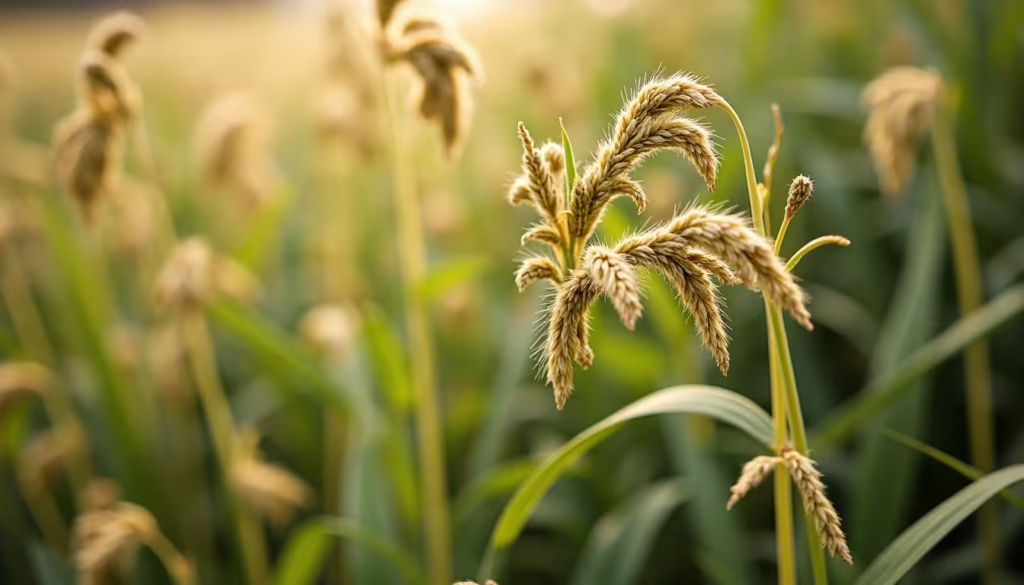
Sesame oil, derived from the sesame seed plant, has increasingly found its way into the skincare and cosmetics industry, driven by a growing demand for natural and organic ingredients. This natural oil is prized for its moisturizing, antioxidant, and anti-inflammatory properties.
It is rich in vitamin E, an antioxidant that helps protect the skin from environmental damage and premature aging. Essential fatty acids within the oil nourish and hydrate, making it an excellent moisturizer for dry and sensitive skin. Its anti-inflammatory properties can soothe irritation and redness, benefiting sensitive or acne-prone skin.
Beauty companies are incorporating sesame oil into a wide range of products, including facial oils, serums, body lotions, creams, lip balms, mascaras, and foundations, to provide hydration, improve skin texture, and promote overall skin health. The oil also offers a mild natural sun protection factor. The global sesame oil market, valued at $8.5 billion in 2020, is projected to grow significantly, largely fueled by this increasing demand from the clean beauty movement.
Pharmaceutical and Industrial Uses of the Sesame Seed Plant
Beyond food and cosmetics, the sesame seed plant and its derivatives have significant applications in the pharmaceutical and industrial sectors.
In pharmaceuticals, sesame oil, particularly its highly refined version, serves as a crucial excipient and solvent in various drug formulations. Its stability, biocompatibility, and ability to enhance the solubility of lipophilic drugs make it ideal for:
- Injectable Formulations: Widely used as a vehicle in intramuscular and subcutaneous injections for oil-based depot formulations, providing sustained release of active pharmaceutical ingredients (APIs). Examples include testosterone undecanoate injections for hormone replacement therapy and vitamin D injections.
- Soft Gelatin Capsules: Improves the solubilization and absorption of lipophilic medications like cannabinoid-based drugs and Coenzyme Q10 supplements.
- Topical and Transdermal Formulations: Acts as a carrier for active ingredients in anti-inflammatory creams, ointments, and transdermal pain relief gels, enhancing percutaneous absorption for localized or systemic effects.
The nutritional significance of sesame seeds gained official recognition in 2002 when they were added to the list of approved medicinal and food ingredients by China’s former Ministry of Health. Historically, sesame oil has been used in traditional medicine for various ailments, including toothaches, gum diseases, anxiety, insomnia, and as a laxative. Its lignans (sesamin, sesamolin) and lecithin contribute to antioxidant, hepatoprotective, and potential anti-cancer activities.
Industrially, the sesame seed plant‘s oil is used in soap making, as a lubricant, and in insecticides. The remaining sesame meal, high in protein, is valuable in animal nutrition. Furthermore, its adhesive properties make sesame meal a natural binding agent in the production of composite materials like particleboard and plywood.
Global Production and Allergen Status
The sesame seed plant is cultivated globally, with Africa and Asia accounting for over 95% of the world’s supply. In 2022, global sesame seed production exceeded 7 million tonnes, representing a nearly 200% increase over the last three decades. The top producing countries include Sudan, India, Myanmar, the United Republic of Tanzania, and China, collectively accounting for over 60% of global production. Other significant producers include Ethiopia, Nigeria, and Uganda. India, for instance, is projected to produce over 1.5 million metric tons in 2025, holding approximately 30% of the global market share.
Table 1 provides a snapshot of the yield and characteristics of various sesame varieties from test crops in Lubbock, Texas, illustrating the differences between shattering and non-shattering types:
Table 1: Yield and Varietal Characteristics of Sesame, Lubbock, Texas, 1977-79
| Variety Type | Variety Name | Yield (lb/acre) | Seed Color | Height (in.) | Maturity (days) |
|---|---|---|---|---|---|
| Shattering | Margo | 1,697 | Tan | Medium (36-60) | Medium (106-120) |
| Oro | 1,762 | White | Medium (36-60) | Medium (106-120) | |
| Blanco | 1,274 | Tan | Medium (36-60) | Medium (106-120) | |
| Dulce | 737 | White | Medium (36-60) | Early (90-105) | |
| Ambia | 1,210 | White | Tall (>60) | Medium (106-120) | |
| Nonshattering | Baco | 1,570 | Brown | Medium (36-60) | Medium (106-120) |
| Paloma | 1,178 | Tan | Medium (36-60) | Medium (106-120) | |
| UCR-3 | 865 | Tan | Short (<36) | Early (90-105) | |
| SW-16 | 1,855 | Tan | Medium (36-60) | Medium (106-120) | |
| SW-17 | 1,125 | Tan | Medium (36-60) | Medium (106-120) |
Note: Height categories: Short <36 in.; Medium=36 to 60 in.; Tall >60 in. Maturity categories: Early=90 to 105 days; Medium=106 to 120 days; Late=120+ days.
Despite its widespread use, it is crucial to acknowledge that sesame is now recognized as the ninth major food allergen in the U.S., effective January 1, 2023, under the FASTER Act of 2021. This mandates plain language labeling on packaged foods. Consumers must be vigilant, as products manufactured before this date may still contain unlabeled sesame.
Sesame can appear under various names (e.g., benne, gingelly, tahini) or even be hidden within “spices” or “flavorings”. Sesame oil, unlike some other highly refined oils, is considered highly allergenic and should be avoided by allergic individuals. Testing for sesame allergy can be complex, as some major allergens like Oleosin may not be detectable by skin tests, necessitating both skin and serum testing for accurate diagnosis.
Conclusion
The sesame seed plant stands as a testament to nature’s resilience and humanity’s ingenuity. From its ancient origins as one of the earliest cultivated oilseed crops, it has continuously adapted and evolved alongside human civilization. The journey from a wild plant with shattering capsules to modern, non-shattering varieties represents a significant agricultural triumph, transforming a labor-intensive crop into one amenable to mechanical harvesting, thereby expanding its global reach and economic viability.
This remarkable plant’s ability to thrive in challenging, drought-prone environments, earning it the moniker “survivor crop,” speaks to its fundamental role in food security across diverse climates. Its unique botanical characteristics, such as indeterminate growth, presented historical cultivation challenges, which have been systematically addressed through dedicated breeding programs and refined agricultural practices.
Today, the sesame seed plant continues to be a cornerstone of global agriculture, offering a bounty of applications. Its seeds and oil are indispensable in culinary traditions worldwide, celebrated for their distinctive flavor and nutritional density. Beyond the kitchen, sesame’s potent health benefits, rich antioxidant profile, and anti-inflammatory properties underscore its status as a valuable superfood. Furthermore, its increasing integration into the cosmetic, pharmaceutical, and industrial sectors highlights its multifaceted utility and enduring economic significance. As global demand for natural, versatile, and sustainable resources continues to grow, the sesame seed plant remains an invaluable asset, poised to contribute to human well-being and industrial innovation for generations to come.