Everything About Plants – Care, Tips & Green Inspiration

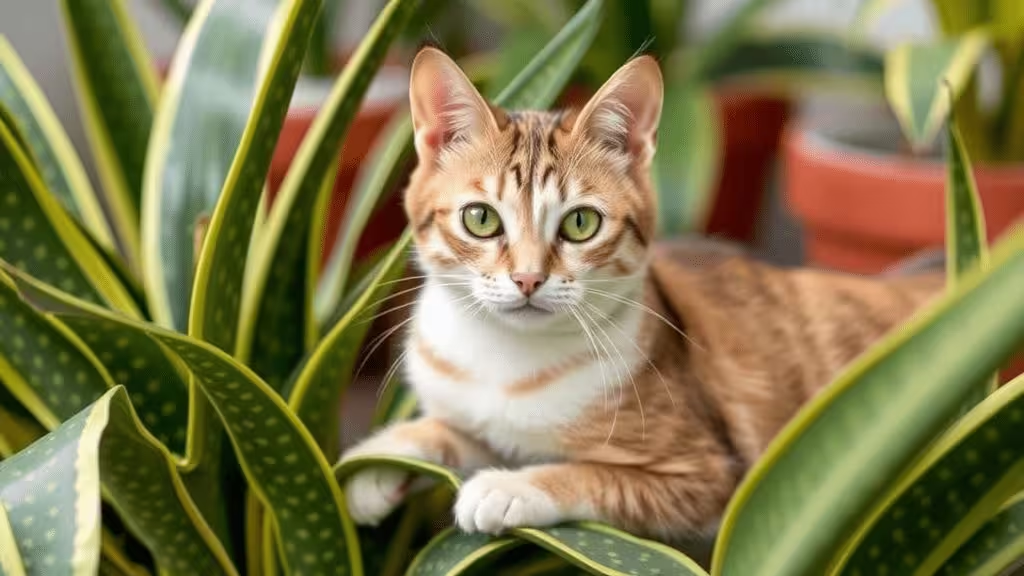
1. Shocking Truth: Snake Plant Toxic to Cats – Protect Your Kitty!
Snake Plant Toxic to Cats - Protect Your Kitty!
Table of Contents
1. Shocking Truth: Snake Plant Toxic to Cats – What Every Owner Must Know
Snake plant toxic to cats is a critical concern for every feline-loving household. While the snake plant (Sansevieria trifasciata), also known as mother-in-law’s tongue or golden bird’s nest, is a popular and low-maintenance houseplant, its seemingly harmless presence can pose a significant risk to your beloved cat. Understanding the potential dangers of snake plant toxic to cats is the first step in ensuring your furry friend’s safety and well-being.
This comprehensive article will delve into the shocking truth about snake plant toxic to cats, exploring the toxic compounds, the range of symptoms to watch for, essential first aid measures, long-term treatment options, and, most importantly, effective strategies to prevent your cat from ever encountering this potentially harmful plant. Ignoring the reality of snake plant toxic to cats can lead to unnecessary distress and health complications for your feline companion.
Unmasking the Danger: Snake Plant Toxic to Cats
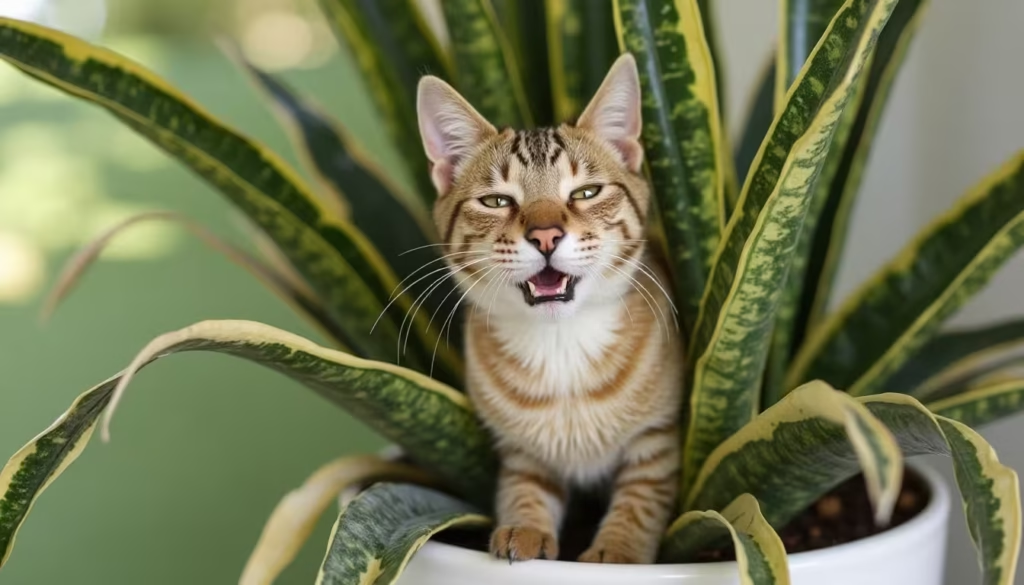
The sleek, upright foliage of the snake plant adds a touch of modern elegance to many homes. However, beneath this attractive exterior lies a potential danger for curious cats. The truth about snake plant toxic to cats stems from specific chemical compounds present within the plant’s structure. It’s crucial for cat owners to unmask this danger and understand why snake plant toxic to cats is a genuine concern.
The Culprit: Saponins and Snake Plant Toxic to Cats
The primary culprits behind snake plant toxic to cats are chemical compounds called saponins. These naturally occurring glycosides are found in various plants and serve as a defense mechanism against pests. When a cat chews or ingests any part of a snake plant – be it the leaves, stems, or roots – these saponins are released and can cause a range of adverse reactions in their system.
The concentration of saponins in snake plant toxic to cats is generally considered mild to moderate compared to some other highly toxic plants. However, even a small amount can trigger unpleasant and concerning symptoms in your feline companion. Therefore, understanding the role of saponins in snake plant toxic to cats is vital for responsible pet ownership.
Recognizing the Warning Signs: Symptoms of Snake Plant Toxic to Cats
Early recognition of symptoms is crucial if your cat has come into contact with a snake plant. The signs of snake plant toxic to cats can vary depending on the amount ingested and your cat’s individual sensitivity. Being vigilant and knowing what to look for can help you seek timely veterinary care. Here are the common symptoms associated with snake plant toxic to cats:
Gastrointestinal Distress: A Key Indicator of Snake Plant Toxic to Cats
One of the most prevalent signs of snake plant toxic to cats is gastrointestinal upset. This can manifest in several ways:
- Vomiting: Your cat may experience episodes of throwing up shortly after or a few hours after ingesting part of the snake plant.
- Diarrhea: Loose or watery stools are another common symptom as the saponins irritate the digestive tract.
- Nausea: Your cat might show signs of nausea, such as excessive drooling, lip-licking, or a lack of appetite.
- Abdominal Pain: While difficult to ascertain directly, your cat might exhibit signs of discomfort in their abdomen, such as restlessness, hunched posture, or reluctance to be touched in that area.
Oral Irritation: A Direct Result of Snake Plant Contact
Chewing on a snake plant can directly irritate your cat’s mouth and throat due to the saponins. This oral irritation, a direct consequence of snake plant toxic to cats, can present as:
- Excessive Drooling (Ptyalism): Your cat might produce an unusual amount of saliva.
- Pawing at the Mouth: They may try to rub or paw at their face and mouth due to discomfort.
- Redness or Inflammation of the Gums and Tongue: You might observe visible irritation inside their mouth.
Other Potential Symptoms of Snake Plant Toxic to Cats
While gastrointestinal and oral issues are the most common, other less frequent symptoms can also occur with snake plant toxic to cats:
- Lethargy: Your cat might appear unusually tired or sluggish.
- Loss of Appetite (Anorexia): They may refuse to eat.
- Dehydration: Persistent vomiting and diarrhea can lead to dehydration, which can be serious if left untreated.
It’s important to remember that even if your cat only licks or nibbles on a snake plant, they can still experience mild symptoms. If you suspect your cat has had any contact with a snake plant, even if you haven’t witnessed them eating it, it’s crucial to monitor them closely for any of these signs of snake plant toxic to cats.
Acting Swiftly: First Aid for Snake Plant Toxic to Cats
If you suspect your cat has ingested any part of a snake plant, immediate action is crucial. While the toxicity is generally mild to moderate, prompt intervention can help minimize discomfort and potential complications. Here’s a guide to first aid for snake plant toxic to cats:
Remain Calm: Your Demeanor Affects Your Cat
Your cat will sense your panic, which can increase their stress. Stay calm and assess the situation as clearly as possible.
Remove Any Plant Material: Prevent Further Ingestion
If you see any remaining pieces of the snake plant near your cat’s mouth or in their vicinity, carefully remove them to prevent further ingestion.
Do Not Induce Vomiting Without Veterinary Advice: It Could Do More Harm
While inducing vomiting is sometimes recommended for certain types of poisoning, it’s crucial not to do so in the case of snake plant ingestion unless explicitly instructed by a veterinarian. The irritation caused by the saponins could be exacerbated by forced vomiting, potentially causing further damage to the esophagus.
Rinse Your Cat’s Mouth: Help Remove Residual Toxins
Gently rinse your cat’s mouth with lukewarm water to help remove any residual plant sap or pieces that might be causing oral irritation. Encourage them to drink a small amount of water if they are willing and able.
Contact Your Veterinarian Immediately: Professional Guidance is Essential
The most critical step in first aid for snake plant toxic to cats is to contact your veterinarian or a pet poison helpline immediately. Provide them with as much information as possible, including:
- When you suspect your cat ingested the plant.
- How much you think they might have eaten (if known).
- The symptoms your cat is exhibiting.
- Your cat’s weight and overall health history.
Your veterinarian will be able to provide specific guidance based on the situation and may recommend bringing your cat in for an examination and treatment.
Bring a Sample of the Plant: Aid in Identification and Treatment
If possible, take a sample of the snake plant with you to the vet. This will help them confirm the type of plant ingested and tailor the treatment accordingly.
Remember, while the toxicity of snake plant toxic to cats is usually not fatal, prompt action and professional veterinary care are essential to ensure your cat’s comfort and recovery.
Veterinary Intervention: Treatment for Snake Plant Poisoning in Cats
Once you’ve contacted your veterinarian, they will determine the best course of treatment for your cat based on the severity of their symptoms and the amount of snake plant ingested. Treatment for snake plant toxic to cats typically focuses on supportive care to alleviate symptoms and prevent further complications.
Symptomatic Treatment: Addressing Your Cat’s Discomfort
The primary approach to treating snake plant toxic to cats is to manage the symptoms your cat is experiencing:
- Anti-emetics: If your cat is vomiting excessively, your veterinarian may administer anti-emetic medications to help control nausea and vomiting.
- Fluid Therapy: To combat dehydration caused by vomiting and diarrhea, your cat may receive subcutaneous or intravenous fluids.
- Gastrointestinal Protectants: Medications like sucralfate or antacids might be prescribed to soothe the irritated lining of the stomach and intestines.
- Pain Relief: If your cat is showing signs of abdominal pain or oral discomfort, your vet may administer appropriate pain relief medication.
Monitoring and Observation: Ensuring Your Cat’s Recovery
Your veterinarian will likely want to monitor your cat’s condition to ensure they are recovering well. This might involve keeping them at the clinic for observation, especially if their symptoms are severe or if they are showing signs of dehydration. You will also receive instructions on how to monitor your cat at home, including watching for any persistent or worsening symptoms.
Dietary Management: Supporting Digestive Healing
Your veterinarian may recommend a bland and easily digestible diet for a few days to allow your cat’s digestive system to recover. This might include boiled chicken and rice or a commercially prepared bland diet. Gradually reintroduce their regular food as their symptoms improve.
No Specific Antidote: Treatment Focuses on Support
It’s important to note that there is no specific antidote for saponin poisoning from snake plant toxic to cats. Treatment focuses on providing supportive care to help your cat’s body eliminate the toxins and recover from the irritation.
The prognosis for cats who have ingested snake plants is generally good, especially with prompt veterinary care. Most cats recover fully within a few days with appropriate supportive treatment. However, it’s always best to prevent ingestion in the first place.
Prevention is Key: Keeping Your Cat Safe from Snake Plants
The most effective way to protect your feline friend from the dangers of snake plant toxic to cats is to prevent them from having any access to the plant. Implementing proactive measures can ensure a safe and healthy environment for your beloved kitty. Here are essential strategies for prevention:
Remove Snake Plants from Your Home: The Safest Option
The most straightforward and foolproof way to prevent snake plant toxic to cats is to simply remove all snake plants from your home and garden. If you are a cat owner, choosing pet-safe plants is the best approach to avoid any potential risks.
Keep Snake Plants Out of Reach: If Removal Isn’t Possible
If you are particularly attached to your snake plant and choose to keep it, you must ensure it is completely inaccessible to your cat. This might involve:
- Elevated Locations: Place the plant on high shelves or hanging planters that your cat cannot reach, even by jumping. Remember that cats are agile and can reach surprising heights.
- Separate Rooms: Keep the plant in a room that your cat never has access to. Ensure the door to this room is always kept closed.
- Secure Enclosures: If the plant is in a pot on the floor, consider placing it inside a decorative cage or terrarium that your cat cannot open or access.
Make Snake Plants Unappealing: Deterrents Can Help
You can try to make your snake plant less attractive to your cat:
- Bitter Sprays: Apply commercially available bitter apple or other pet-safe bitter sprays to the leaves of the snake plant. Most cats dislike the taste and will be deterred from chewing. Reapply regularly as directed.
- Citrus Scents: Some cats dislike the smell of citrus. Placing citrus peels or using citrus-scented sprays (ensure they are safe for the plant) around the base of the plant might deter them.
- Physical Barriers: Place prickly or textured barriers around the plant’s base to make it uncomfortable for your cat to approach.
Provide Appealing Alternatives: Redirect Their Attention
Ensure your cat has plenty of safe and appealing things to chew on, such as cat grass, catnip toys, and other appropriate chew toys. This can help redirect their natural chewing instincts away from your houseplants.
Educate Visitors: Inform Guests About Plant Toxicity
If you have visitors who might bring plants as gifts, politely inform them that you have a cat and need to ensure any houseplants are pet-safe.
By implementing these preventative measures, you can significantly reduce the risk of your cat encountering and ingesting a snake plant, ensuring their safety and your peace of mind regarding snake plant toxic to cats.
Choosing Safe Alternatives: Cat-Friendly Houseplants
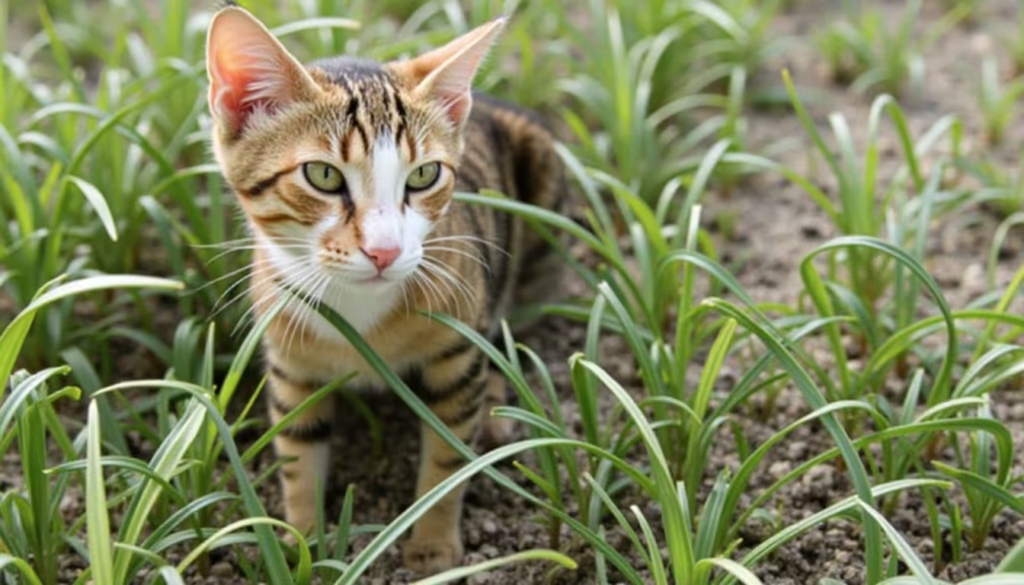
For cat lovers who also enjoy having greenery in their homes, there are many beautiful and safe alternatives to snake plants. Opting for non-toxic houseplants allows you to enjoy the beauty of nature indoors without worrying about the potential dangers to your feline companions. Here are some popular cat-friendly options:
- Spider Plant (Chlorophytum comosum): Easy to care for and produces fun, dangling plantlets that cats often enjoy (though excessive chewing should still be discouraged).
- Prayer Plant (Maranta leuconeura): Features beautifully patterned leaves that fold up at night, resembling praying hands. Non-toxic and visually interesting.
- Calathea: A diverse group of plants with striking foliage patterns. Many varieties are safe for cats.
- Peperomia: A large genus of easy-to-care-for plants with various leaf shapes and textures, most of which are non-toxic.
- African Violet (Saintpaulia ionantha): Produces beautiful, colorful flowers and is safe for cats.
- Orchid (Phalaenopsis): Elegant and long-lasting blooms that are non-toxic to cats.
- Air Plants (Tillandsia): Unique, soil-less plants that are generally safe for cats.
- Bamboo Palm (Chamaedorea elegans): A graceful and air-purifying palm that is non-toxic.
- Cat Grass (Various grasses like wheatgrass, oat grass, barley grass): Specifically grown for cats to chew on, providing a safe outlet for their natural instincts.
By choosing these and other cat-safe plants, you can create a lush and vibrant indoor environment without any concerns about snake plant toxic to cats or other harmful houseplants.
Conclusion: Prioritizing Your Cat’s Safety Over Snake Plants
The evidence is clear: snake plant toxic to cats is a genuine concern that every cat owner should take seriously. While the toxicity is often mild to moderate, the potential for gastrointestinal upset and oral irritation can cause significant discomfort to your feline companion. The shocking truth is that a seemingly innocuous houseplant can pose a risk to your beloved pet’s health and well-being.
Therefore, prioritizing your cat’s safety over the aesthetic appeal of a snake plant is the most responsible approach. By understanding the dangers of snake plant toxic to cats, recognizing the symptoms, knowing how to provide basic first aid, and, most importantly, implementing effective preventative measures, you can create a safe and thriving environment for your furry friend. Choosing cat-friendly plant alternatives allows you to enjoy the beauty of indoor greenery without any compromise to your cat’s health. Ultimately, the well-being of your cat should always be the top priority when it comes to the plants you bring into your home.