Everything About Plants – Care, Tips & Green Inspiration

Unlocking Elephant Plant Secrets: 12 Crucial Care Questions Answered!
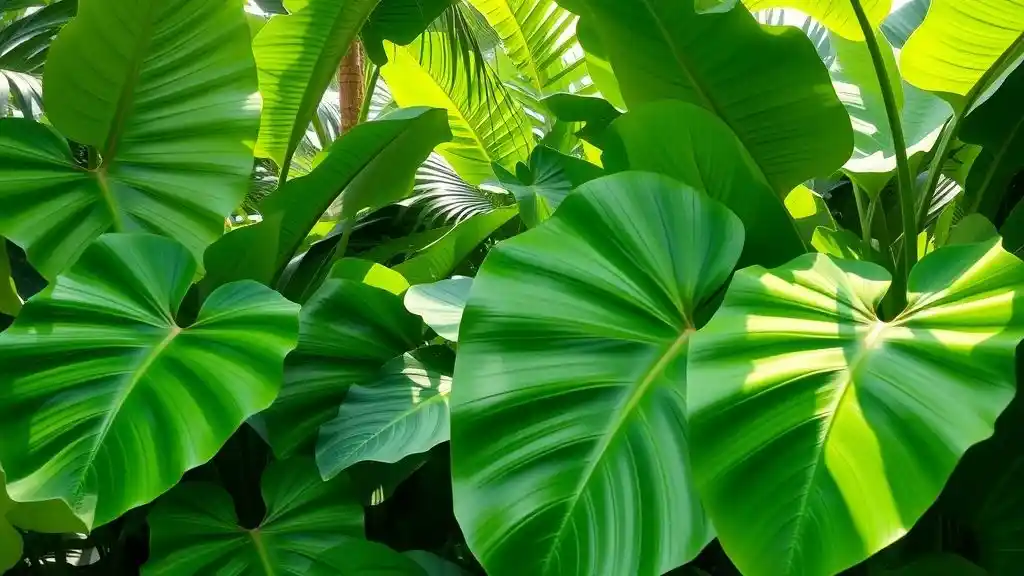
The elephant plant, commonly known as elephant ear, refers to several species of tropical plants, primarily from the genera Colocasia, Alocasia, and Xanthosoma. These plants are renowned for their large, heart-shaped or arrowhead leaves that can grow quite large, often reaching heights of up to 9 feet (2.7 m) in ideal conditions.
Table of Contents
Unlocking Elephant Plant Secrets: Your 12 Burning Questions Answered!
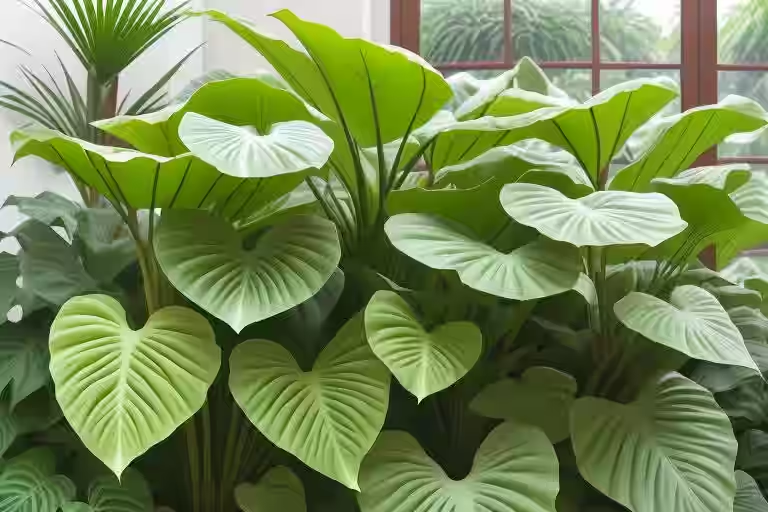
The term “elephant plant” commonly refers to the striking tropical plants known for their large, dramatic, ear-shaped leaves. These captivating plants, primarily belonging to the genera Colocasia and Alocasia, add a touch of the exotic to gardens and indoor spaces alike. However, their unique appearance often leads to numerous questions about their care and characteristics. In this comprehensive guide, we’ll delve into 12 of the most frequently asked questions surrounding the “elephant plant,” providing you with the knowledge to help your plant thrive. Let’s unlock the secrets of the “elephant plant“!
Your Burning Questions About the Elephant Plant, Answered
The allure of the elephant plant often comes with a desire to understand its specific needs and traits. Here are detailed answers to your most pressing questions about the “elephant plant“:
1. Do Elephant Plants Need Sun or Shade?
The ideal light conditions for an elephant plant depend on the specific species and variety. Generally, most elephant plants thrive in bright, indirect sunlight or partial shade.
- Outdoor: In warmer climates, direct, intense sunlight can scorch the large leaves of many elephant plant varieties. A location that receives morning sun and afternoon shade, or dappled sunlight throughout the day, is usually best. Some varieties, however, can tolerate more sun if they are consistently kept moist.
- Indoor: Indoors, place your elephant plant near a bright window that doesn’t receive direct, harsh sunlight. An east-facing window is often ideal. South or west-facing windows might require a sheer curtain to filter the intensity of the light. Insufficient light can lead to leggy growth and smaller leaves.
2. What is the Elephant Plant Used For?
The elephant plant is primarily cultivated for its ornamental value. Its large, dramatic foliage makes it a popular choice for:
- Tropical Gardens: Creating a lush, tropical aesthetic in outdoor landscapes.
- Statement Plants: Serving as eye-catching focal points in gardens and indoor spaces.
- Container Gardening: Adding a bold presence to patios, balconies, and indoor containers.
- Foliage Interest: Providing striking textural and visual interest with their unique leaf shapes and sizes.
In some cultures, certain parts of specific Colocasia species (like taro) are edible when properly cooked to remove toxins. However, the elephant plants commonly grown for ornamental purposes are generally not intended for consumption.
3. How Do You Take Care of an Elephant Plant?
Caring for an elephant plant involves several key aspects:
- Light: Bright, indirect sunlight or partial shade (as discussed above).
- Soil: Rich, well-draining soil that retains moisture. A mix amended with compost or other organic matter is ideal.
- Watering: Consistent moisture is crucial, especially during the growing season. The soil should be kept consistently moist but not waterlogged. Water more frequently in hot, dry conditions.
- Humidity: Elephant plants thrive in high humidity. Indoors, you may need to increase humidity through misting, a humidifier, or by placing the pot on a pebble tray with water.
- Temperature: They prefer warm temperatures, ideally between 65-85°F (18-29°C). Avoid exposing them to cold drafts or temperatures below 55°F (13°C).
- Fertilizing: Feed regularly during the growing season (spring and summer) with a balanced liquid fertilizer diluted to half strength every 2-4 weeks. Reduce or stop fertilizing during the dormant period (fall and winter).
- Dormancy: Some elephant plant varieties, particularly Colocasia, may go dormant in cooler months, with leaves dying back. Reduce watering during this time and allow the plant to rest. Resume regular watering and feeding when new growth appears in spring.
- Pests and Diseases: Monitor for common pests like spider mites and aphids. Address any infestations promptly. Root rot can be a problem if the soil is consistently waterlogged.
4. Are Elephant Plants Poisonous to Humans?
Yes, elephant plants (both Colocasia and Alocasia) contain calcium oxalate crystals, which are toxic if ingested in raw form. These crystals can cause:
- Immediate burning sensation in the mouth and throat.
- Swelling of the lips, tongue, and throat.
- Difficulty swallowing and breathing.
- Stomach upset, nausea, and vomiting.
It is crucial to keep elephant plants out of reach of children and pets. If ingestion occurs, seek immediate medical attention. Cooking can break down these crystals and make some Colocasia species edible (like taro), but this is not the case for the ornamental varieties commonly grown.
5. How Often Should I Water an Elephant Plant?
Watering frequency for an elephant plant depends on several factors, including the plant’s size, the pot size, the type of soil, the temperature, and the humidity levels. However, the general rule is to keep the soil consistently moist during the growing season.
- Growing Season (Spring & Summer): Water thoroughly when the top inch of soil feels slightly dry to the touch. You may need to water every few days or even daily in hot, dry conditions, especially for larger plants in sunny locations.
- Dormant Season (Fall & Winter): Reduce watering as the plant’s growth slows down. The soil should still be kept slightly moist but not wet. Allow the top inch or two of soil to dry out between waterings.
It’s essential to avoid both overwatering (leading to root rot) and underwatering (causing wilting and leaf drop). Observe your elephant plant closely and adjust your watering schedule accordingly.
6. Why is My Elephant Plant Dying?
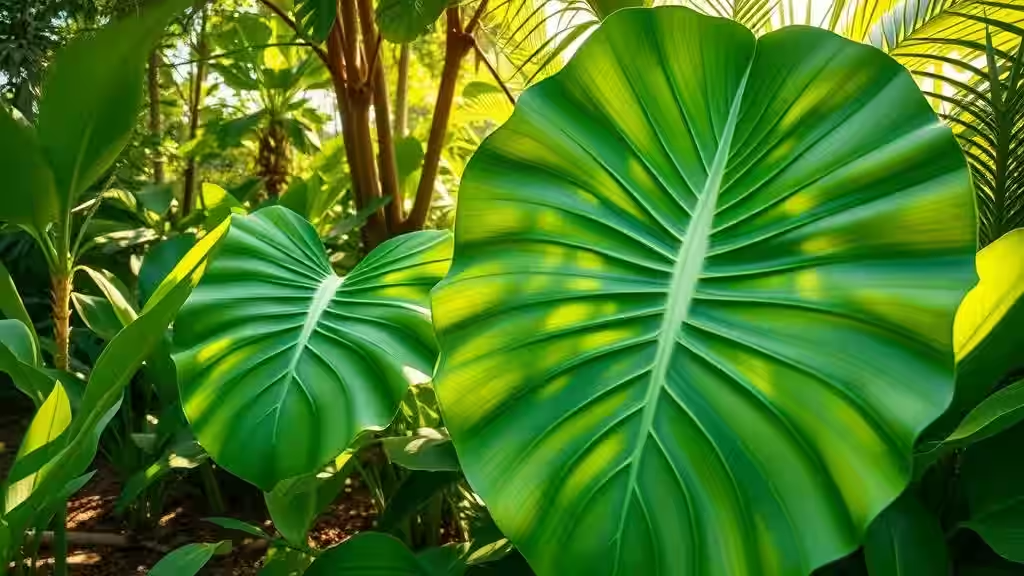
A dying elephant plant can be a result of several factors:
- Overwatering: This is one of the most common causes of death. Soggy soil leads to root rot, which prevents the plant from absorbing water and nutrients.
- Underwatering: Allowing the soil to dry out completely for extended periods can stress the plant, causing wilting, yellowing leaves, and eventual death.
- Insufficient Light: Lack of adequate, bright, indirect light can lead to weak, leggy growth and the plant’s decline.
- Temperature Stress: Exposure to cold drafts or temperatures below 55°F (13°C) can damage the plant.
- Pest Infestation: Heavy infestations of pests like spider mites or aphids can weaken the plant significantly.
- Nutrient Deficiency: Lack of essential nutrients can lead to yellowing leaves and poor growth.
- Dormancy Mismanagement: Overwatering a dormant plant can lead to root rot.
- Toxicity (for pets/children): While not directly killing the plant, ingestion by pets or children can cause severe health issues.
To diagnose the issue, assess your elephant plant’s environment and care routine. Check the soil moisture, light levels, temperature, and look for any signs of pests or diseases.
7. What is the Life Cycle of Elephant Grass?
It’s important to clarify that “elephant grass” (Pennisetum purpureum) is a completely different plant species from the ornamental “elephant plant” (Colocasia and Alocasia). Elephant grass is a tall, fast-growing perennial grass native to tropical Africa. Its life cycle involves:
- Vegetative Growth: Rapid growth of tall stalks and leaves during warm, moist conditions. It spreads through rhizomes (underground stems).
- Flowering: It produces fluffy flower spikes (panicles), typically in late summer or fall, though flowering can be infrequent depending on the climate and variety.
- Seed Production: After flowering, seeds develop.
- Dormancy (in cooler climates): In regions with colder winters, the above-ground parts of the plant may die back, but the rhizomes survive underground and send up new shoots in the spring.
- Perennial Nature: As a perennial, elephant grass can live for many years, with new growth emerging annually from its rhizomes.
This life cycle is distinct from that of the ornamental elephant plant, which grows from corms or tubers and may have a period of dormancy where the leaves die back.
8. Can You Eat Elephant Plant Leaves?
No, the leaves of the ornamental elephant plant (Colocasia and Alocasia) should not be eaten raw. As mentioned earlier, they contain calcium oxalate crystals, which are toxic and can cause severe irritation and swelling of the mouth and throat.
Only specific species of Colocasia, like taro, are edible, and only after thorough cooking, which breaks down the toxic crystals. The ornamental elephant plants commonly grown for their foliage are not intended for consumption.
9. Where Do Elephant Plants Grow Best?
Elephant plants grow best in warm, humid environments with bright, indirect sunlight or partial shade.
- Outdoors: They thrive in tropical and subtropical climates. In cooler regions, they are often grown as annuals or overwintered indoors. They prefer consistently moist, fertile, and well-draining soil.
- Indoors: They can be grown as houseplants if provided with enough light, warmth, and high humidity. A bright room away from direct, harsh sunlight is ideal. Consistent moisture and occasional misting are also important.
The specific needs can vary slightly between different species and varieties of elephant plants.
10. Why Do Elephant Plants Cry?
The phenomenon of an “elephant plant crying” refers to the guttation process. Guttation occurs when the plant releases excess water through specialized pores called hydathodes, located on the tips or edges of the leaves. This often happens at night or early in the morning when the soil is moist, humidity is high, and transpiration (water loss through leaves) is low. The water droplets that appear can resemble tears. Guttation is a natural process and usually not a sign of a problem, although excessive guttation can sometimes indicate overwatering.
11. What Kills Elephant Ear Plants?

Several factors can kill an elephant plant:
- Root Rot (from overwatering and poor drainage): This is the most common killer.
- Severe Frost or Freezing Temperatures: Elephant plants are not frost-tolerant.
- Prolonged Drought: While they like consistent moisture, extreme and prolonged dryness can be fatal.
- Severe Pest Infestations: Untreated heavy pest infestations can weaken and eventually kill the plant.
- Lack of Light (over an extended period): Insufficient light can lead to starvation and death.
- Physical Damage: Severe damage to the corm or tuber can prevent regrowth.
Providing the correct growing conditions and addressing any issues promptly is crucial for the survival of your elephant plant.
12. Do Elephant Plants Like a Lot of Water?
Yes, elephant plants generally like a lot of water, especially during their active growing season (spring and summer). They thrive in consistently moist soil. However, there’s a crucial distinction between consistently moist and waterlogged. The soil should retain moisture but still drain well. Soggy soil that stays waterlogged will lead to root rot, which can kill the plant. Therefore, while they need frequent watering to keep the soil moist, ensure your elephant plant’s pot has good drainage.
Conclusion: Thriving with Your Magnificent Elephant Plant
The elephant plant, with its dramatic foliage, can be a stunning addition to any indoor or outdoor space. By understanding its specific needs regarding light, water, humidity, and by addressing common concerns like toxicity and potential problems, you can ensure your “elephant plant” thrives and brings a touch of the tropics to your environment. Remember to observe your elephant plant closely and adjust your care routine as needed to keep it healthy and vibrant.